Sónia Félix Esbrí, Alba Sebastián Tirado, Maria Zaragoza Mezquita, Carla Sanchis Segura, Cristina Forn
{"title":"Pre-training working memory/information processing capabilities and brain atrophy limit the improving effects of cognitive training.","authors":"Sónia Félix Esbrí, Alba Sebastián Tirado, Maria Zaragoza Mezquita, Carla Sanchis Segura, Cristina Forn","doi":"10.1177/20552173231196990","DOIUrl":null,"url":null,"abstract":"<p><strong>Background: </strong>Computerized training in persons with multiple sclerosis (PwMS) seems to enhance working memory (WM)/information processing (IP), but factors associated with the efficacy of the treatment have not been sufficiently explored. Objective: To identify clinical and radiological characteristics associated with positive WM/IP training responses.</p><p><strong>Methods: </strong>Radiological and neuropsychological assessments were carried out on a sample of 35 PwMs who were divided into \"WM/IP-impaired\" and \"WM/IP-preserved.\" All participants underwent adaptive n-back training for 10 days and were assessed post-training. Between-group differences (\"WM/IP-impaired\" vs. \"WM/IP-preserved\") in training-induced cognitive improvement were assessed and exploratory correlational/ regression-based methods were employed to assess the relationship between cognitive improvement and clinical and radiological variables.</p><p><strong>Results: </strong>All PwMS exhibited WM/IP benefits after training, but those with preserved WM/IP functions showed greater positive effects as well as transfer effects to other WM/IP tests when compared to the impaired group. Additional analyses revealed that positive response to treatment was associated with WM/IP baseline capabilities and greater gray matter volume (GMVOL) in relevant areas such as the thalamus.</p><p><strong>Conclusions: </strong>Restorative cognitive training is suitable to improve cognition in PwMS but its effective outcome differs depending on the baseline WM/IP capabilities and GMVOL.</p>","PeriodicalId":18961,"journal":{"name":"Multiple Sclerosis Journal - Experimental, Translational and Clinical","volume":"9 3","pages":"20552173231196990"},"PeriodicalIF":2.3000,"publicationDate":"2023-07-01","publicationTypes":"Journal Article","fieldsOfStudy":null,"isOpenAccess":false,"openAccessPdf":"https://ftp.ncbi.nlm.nih.gov/pub/pmc/oa_pdf/30/66/10.1177_20552173231196990.PMC10483983.pdf","citationCount":"0","resultStr":null,"platform":"Semanticscholar","paperid":null,"PeriodicalName":"Multiple Sclerosis Journal - Experimental, Translational and Clinical","FirstCategoryId":"1085","ListUrlMain":"https://doi.org/10.1177/20552173231196990","RegionNum":0,"RegionCategory":null,"ArticlePicture":[],"TitleCN":null,"AbstractTextCN":null,"PMCID":null,"EPubDate":"","PubModel":"","JCR":"Q2","JCRName":"CLINICAL NEUROLOGY","Score":null,"Total":0}
引用次数: 0
Abstract
Background: Computerized training in persons with multiple sclerosis (PwMS) seems to enhance working memory (WM)/information processing (IP), but factors associated with the efficacy of the treatment have not been sufficiently explored. Objective: To identify clinical and radiological characteristics associated with positive WM/IP training responses.
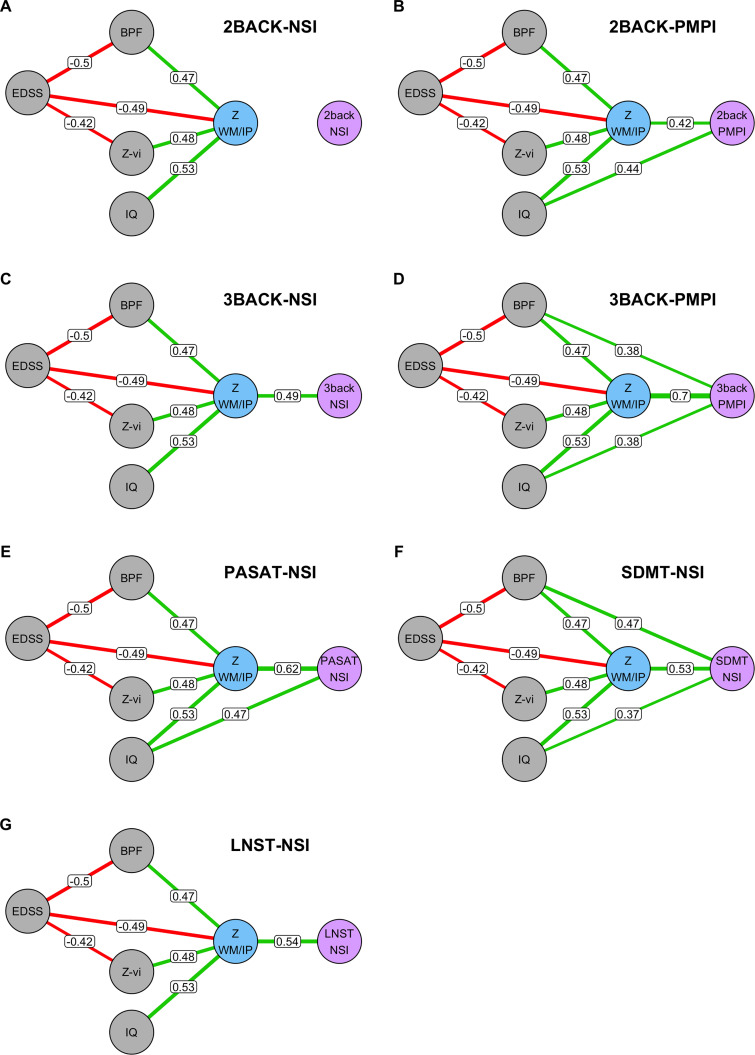
Methods: Radiological and neuropsychological assessments were carried out on a sample of 35 PwMs who were divided into "WM/IP-impaired" and "WM/IP-preserved." All participants underwent adaptive n-back training for 10 days and were assessed post-training. Between-group differences ("WM/IP-impaired" vs. "WM/IP-preserved") in training-induced cognitive improvement were assessed and exploratory correlational/ regression-based methods were employed to assess the relationship between cognitive improvement and clinical and radiological variables.
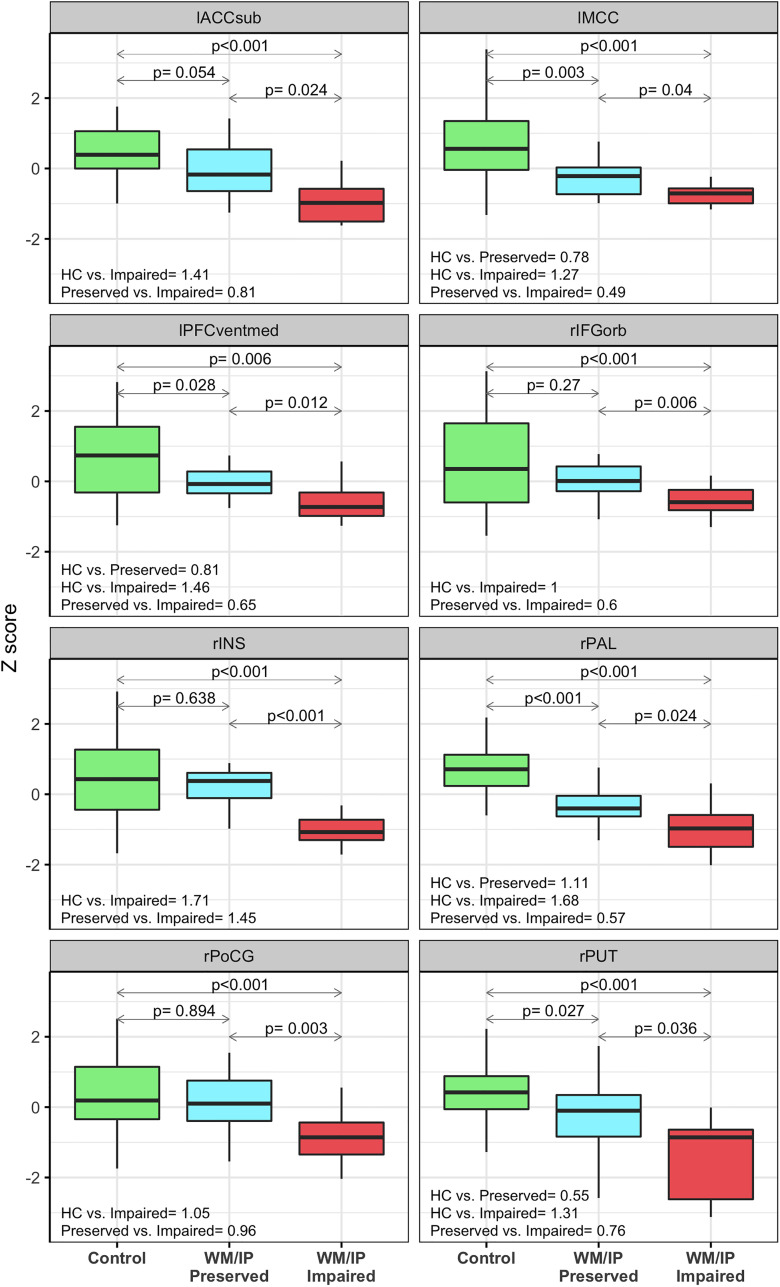
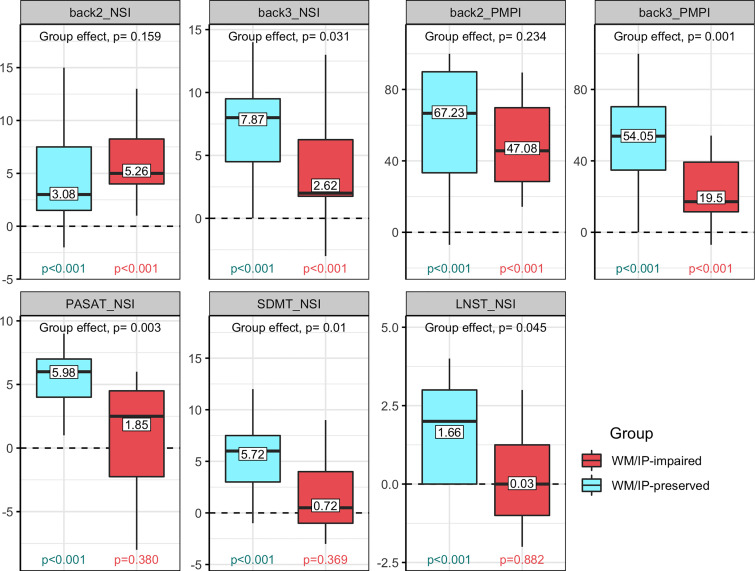
Results: All PwMS exhibited WM/IP benefits after training, but those with preserved WM/IP functions showed greater positive effects as well as transfer effects to other WM/IP tests when compared to the impaired group. Additional analyses revealed that positive response to treatment was associated with WM/IP baseline capabilities and greater gray matter volume (GMVOL) in relevant areas such as the thalamus.
Conclusions: Restorative cognitive training is suitable to improve cognition in PwMS but its effective outcome differs depending on the baseline WM/IP capabilities and GMVOL.




 京公网安备 11010802042870号
京ICP备2023020795号-1
京公网安备 11010802042870号
京ICP备2023020795号-1

 分享
分享
 求助内容:
求助内容: 应助结果提醒方式:
 扫码关注我们
