
Women's autonomy in fertility decision-making is essential for improved health and social outcomes. Guided by the social-ecological model, this investigation explores multilevel influences on the fertility autonomy of women with an unmet need for family planning in rural Uganda. We conducted four focus groups with men and women (n = 26), and 15 key informant interviews with community leaders and individuals involved in the provision of family planning. The data were analyzed thematically. The results highlight how community-level norms reinforce gender inequalities in decision-making and underpin beliefs to not limit men's number of children. Religious norms and polygamy practices were shown to influence attitudes towards family size and family planning, as well as shape relationship dynamics related to fertility. Concerns about poverty were identified as a driver of shifting preferences and increasing acceptance of family planning. Results showcase how health system weaknesses limit women's access to family planning services, contribute to mistrust of health systems and drive misinformation about contraceptives, especially among men. This study underscores the need for multifaceted gender transformative interventions to increase women's fertility autonomy. This study also highlights health system strengthening, religious leader endorsement and male engagement as approaches to increase women's autonomous use of family planning.
1.4亿文献
4.8万期刊
平均96.5%应助率
订阅
推荐
高校
化学
纳米材料
高分子材料
能源材料
分离纯化
能源科学
医学
生物医学
生物传感器
蛋白质组学
器官损伤与修复
代谢组学
材料科学
能源材料
光电催化
新型碳制造
碳减排
有色金属
生物学
基因学
微生物学
细胞学
生物多样性
昆虫学
更多

美国政府调查9所名校的国际博士后签证丨J-1签证争议引发学术界担忧
近日,美国对九所大学聘用国际研究人员的调查引发了校园学者的担忧。调查重点是这些大学使用J-1签证的情况,这是国际博士后研究人员主要使用的签证。政府表示,被调查的大学利用签证压低美国公民的工资,但研究人员表示,限制国际申请可能会损害科学发展。
Book学术公众号
10-27
诺贝尔化学奖得主公布丨他们的主要贡献是什么?
2026 年 10 月 7 日,瑞典皇家科学院宣布,将今年的诺贝尔化学奖颁给 95 岁的法国化学家亨利·卡甘(Henri B. Kagan)和 76 岁的日本化学家硖合宪三(Kenso Soai),以表彰他们在不对称有机合成中发现的非线性效应与自催化。
Book学术公众号
10-16

“AI赋能科研实践与智能体构建应用”专题培训—中国科学院人才交流开发中心
写代码写到怀疑人生:Matlab/Python/R,算法实现、参数调优、bug排查,一个模型调一周,头发掉一半
纳米人公众号
07-29
×

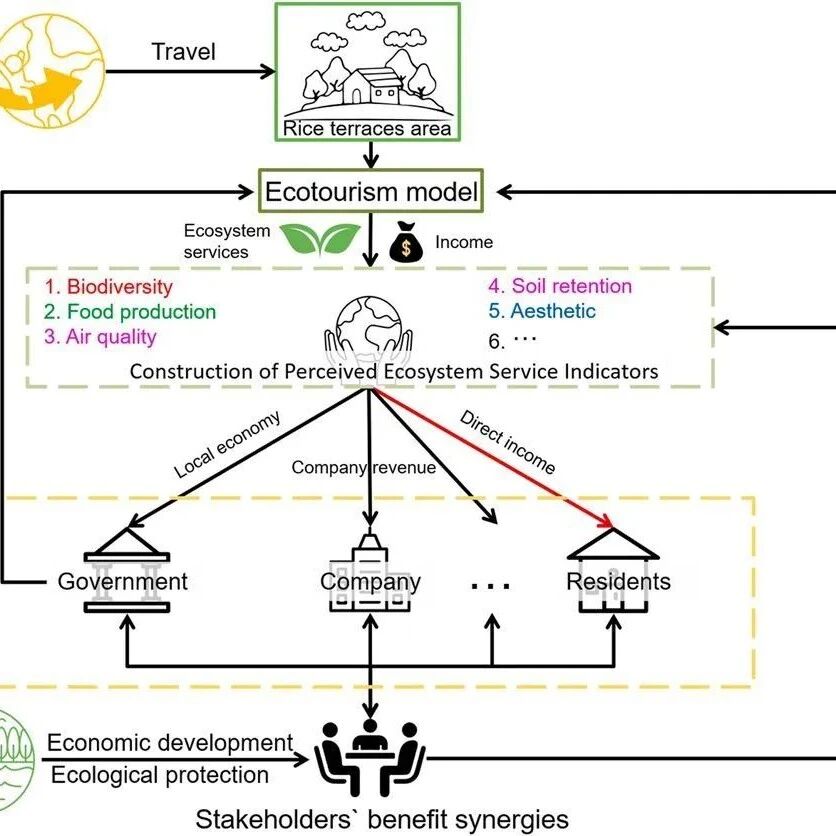
Journal of Outdoor Recreation and Tourism | 基于生态服务感知揭示生态旅游需兼顾保护与居民生计
生态旅游关乎生态系统服务功能与人类福祉,是促进山区生态产品价值实现与社区可持续生计的重要途径。
生态与地理速报公众号
07-29
×
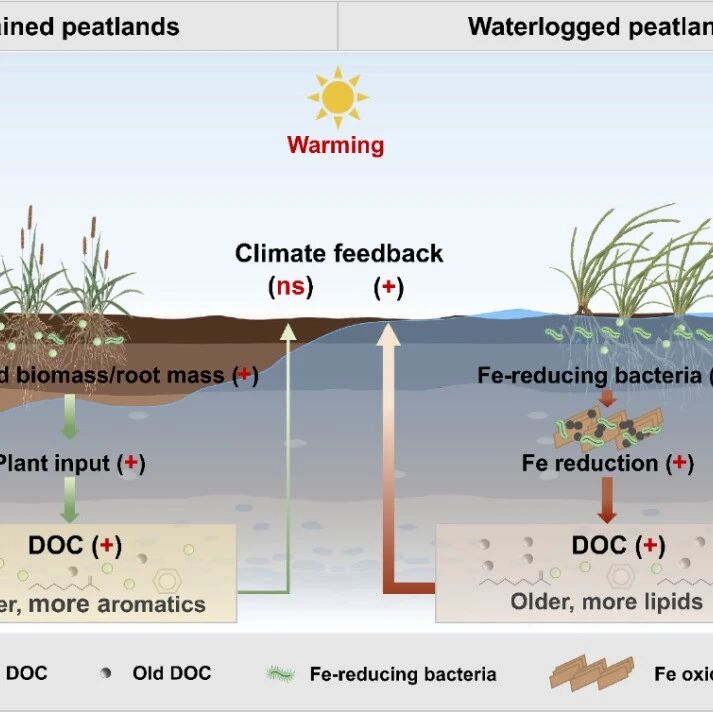
Advanced Science | 植物所冯晓娟研究团队揭示增温触发铁还原介导的泥炭地老碳流失机制
泥炭地储存了全球约三分之一的土壤碳,是减缓气候变化的“压舱石”。然而,作为泥炭地碳损失的重要途径,溶解性有机碳(DOC)对气候变暖的响应尚不明确。
生态与地理速报公众号
07-29
×
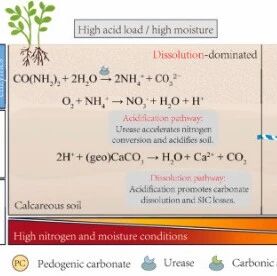
SBB | 西北农林大学范利超教授团队在钙-生物源CO2耦合驱动次生碳酸盐形成机制方面取得新进展
土壤无机碳是陆地生态系统碳库的重要组成部分,其储量与土壤有机碳相当,主要分布于干旱、半干旱地区的石灰性土壤中。
生态与地理速报公众号
07-29
×
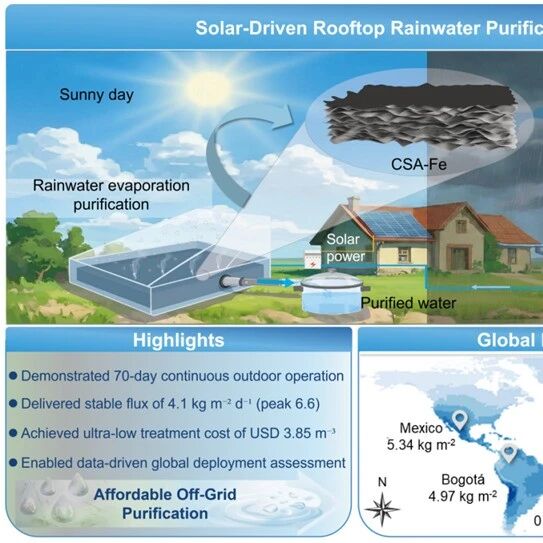
蒸发材料丨湖北工业大学皮科武、吴攀团队WR论文:太阳能驱动屋顶雨水净化
2026年4月,国际期刊《Water Research》在线发表了题为“Solar-driven rooft
水处理文献速递公众号
07-29
×
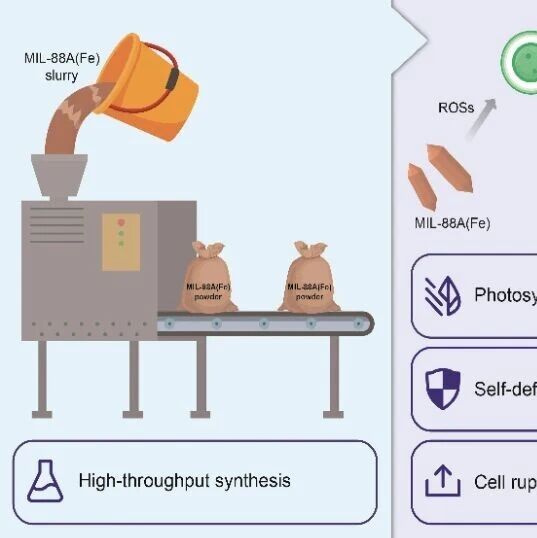
北建大王崇臣教授团队Water Research:铁基MOF光芬顿去除水中的铜绿微囊藻及次级污染物
北京建筑大学王崇臣教授团队于2026年1月在Water Research(Q1,IF =
水处理文献速递公众号
07-29
×

ACS Nano | 吉大杨英威/港中大(深圳)唐本忠/深大王东、李政:可重构机械互锁纳米笼实现自适应客体识别与变构调控
英文原题:Reconfigurable Mechanically Interlocked Metal-Org
ACS美国化学会公众号
07-29
×
祝贺!河北大学教授发表3篇《Cell》论文,在顶级期刊再获重要研究进展
实现了燕麦重要农艺性状相关基因的规模化挖掘与利用,并揭示了燕麦环境适应性演化与表型可塑性的遗传学基础
Ad植物微生物公众号
07-29
×




 京公网安备 11010802042870号


 扫码关注我们