Sisira R N Colombage, Suborna Barua, Madurika Nanayakkara, Udari N Colombage
{"title":"COVID-19 Effects on Public Finance and SDG Priorities in Developing Countries: Comparative Evidence from Bangladesh and Sri Lanka.","authors":"Sisira R N Colombage, Suborna Barua, Madurika Nanayakkara, Udari N Colombage","doi":"10.1057/s41287-022-00558-6","DOIUrl":null,"url":null,"abstract":"<p><p>The COVID-19 pandemic, an unprecedented global health crisis, rapidly transferred into a global economic and social crisis. The pandemic has threatened the world's commitment to achieve Sustainable Development Goals (SDGs) by 2030 as governments in developing countries have shifted their priorities from attaining SDGs, to providing urgent financial needs to save lives and prevent recession in hopes for a rapid economic recovery. The rerouting of public funding priorities has undermined the progress and achievement of SDGs. We employed a mixed-method and carried out a comparative study using pre- and post-public financial data of two developing countries in South Asia; Bangladesh and Sri Lanka. A threefold analysis was conducted to investigate the evolution of the COVID-19 pandemic in two countries, the impact of the pandemic on external and internal public finance and the effect of the pandemic in shifting the policy priorities from SDGs to economic survival. This study found that both countries are highly vulnerable to the COVID-19 pandemic and are suffering from the lack of financing from external sources through the private sector as well as an increasing foreign debt. There is mounting pressure on the fiscal balance in both countries.</p><p><strong>Supplementary information: </strong>The online version contains supplementary material available at 10.1057/s41287-022-00558-6.</p>","PeriodicalId":75001,"journal":{"name":"","volume":"35 1","pages":"85-111"},"PeriodicalIF":0.0,"publicationDate":"2023-01-01","publicationTypes":"Journal Article","fieldsOfStudy":null,"isOpenAccess":false,"openAccessPdf":"https://www.ncbi.nlm.nih.gov/pmc/articles/PMC9330931/pdf/","citationCount":"1","resultStr":null,"platform":"Semanticscholar","paperid":null,"PeriodicalName":"","FirstCategoryId":"90","ListUrlMain":"https://doi.org/10.1057/s41287-022-00558-6","RegionNum":0,"RegionCategory":null,"ArticlePicture":[],"TitleCN":null,"AbstractTextCN":null,"PMCID":null,"EPubDate":"","PubModel":"","JCR":"","JCRName":"","Score":null,"Total":0}
引用次数: 1
Abstract
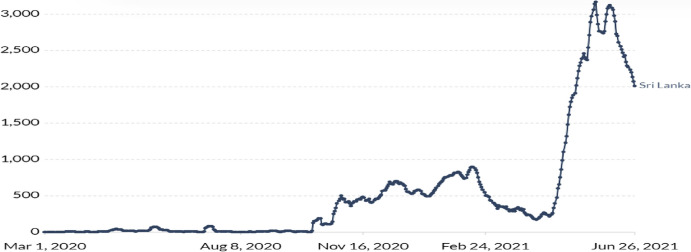
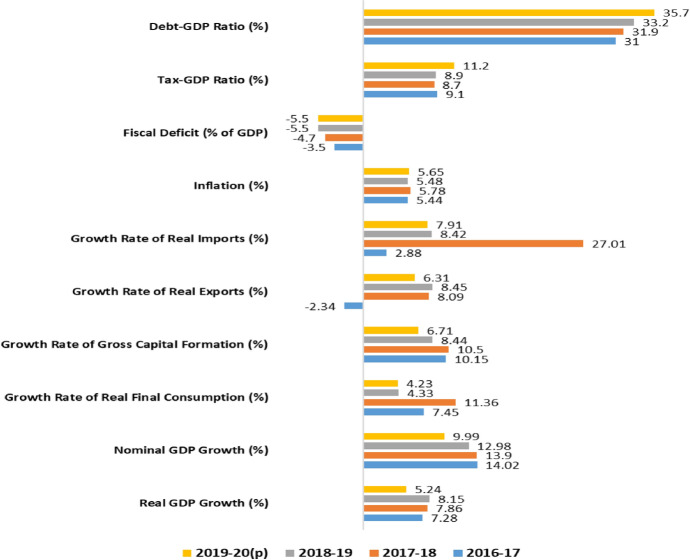
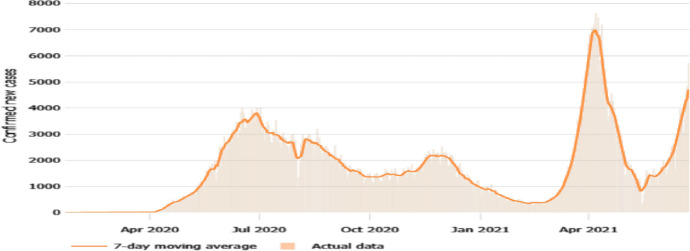
The COVID-19 pandemic, an unprecedented global health crisis, rapidly transferred into a global economic and social crisis. The pandemic has threatened the world's commitment to achieve Sustainable Development Goals (SDGs) by 2030 as governments in developing countries have shifted their priorities from attaining SDGs, to providing urgent financial needs to save lives and prevent recession in hopes for a rapid economic recovery. The rerouting of public funding priorities has undermined the progress and achievement of SDGs. We employed a mixed-method and carried out a comparative study using pre- and post-public financial data of two developing countries in South Asia; Bangladesh and Sri Lanka. A threefold analysis was conducted to investigate the evolution of the COVID-19 pandemic in two countries, the impact of the pandemic on external and internal public finance and the effect of the pandemic in shifting the policy priorities from SDGs to economic survival. This study found that both countries are highly vulnerable to the COVID-19 pandemic and are suffering from the lack of financing from external sources through the private sector as well as an increasing foreign debt. There is mounting pressure on the fiscal balance in both countries.
Supplementary information: The online version contains supplementary material available at 10.1057/s41287-022-00558-6.



 京公网安备 11010802042870号
京ICP备2023020795号-1
京公网安备 11010802042870号
京ICP备2023020795号-1

 分享
分享
 求助内容:
求助内容: 应助结果提醒方式:
 扫码关注我们
