A novel anti-lipopolysaccharide factor from blue swimmer crab Portunus pelagicus and its cytotoxic effect on the prokaryotic expression host, E. coli on heterologous expression.
M V Anju, K Archana, V V Anooja, P P Athira, S Neelima, I S Bright Singh, Rosamma Philip
{"title":"A novel anti-lipopolysaccharide factor from blue swimmer crab Portunus pelagicus and its cytotoxic effect on the prokaryotic expression host, E. coli on heterologous expression.","authors":"M V Anju, K Archana, V V Anooja, P P Athira, S Neelima, I S Bright Singh, Rosamma Philip","doi":"10.1186/s43141-023-00478-w","DOIUrl":null,"url":null,"abstract":"<p><strong>Background: </strong>Invertebrates like crabs employ their own immune systems to fight against a number of invasive infections. Anti-lipopolysaccharide factors (ALFs) are an important class of antimicrobial peptides (AMPs) exhibiting binding and neutralizing activities against lipopolysaccharides.</p><p><strong>Results: </strong>This study identified and characterized a novel homolog of ALF (Pp-ALF) from the blue swimmer crab Portunus pelagicus. Pp-ALF has a 369bp open-reading frame encoding a protein with 123 amino acids. The deduced protein featured an LPS-binding domain and a signal peptide. The predicted tertiary structure of Pp-ALF contains three α helices packed against four β sheets. The deduced amino acid sequence of Pp-ALF had a net positive charge of +10.75 and an isoelectric point of 9.8. Phylogenetic analysis revealed that Pp-ALF has a strong ancestral relationship with crab ALFs.</p><p><strong>Conclusion: </strong>Antibacterial, antiviral, antifungal, anticancer, and antibiofilm activities of Pp-ALF could be revealed by in silico prediction tools. Recombinant expression of Pp-ALF was unsuccessful in the Escherichia coli Rosetta-gami expression system due to the cytotoxic effect of the peptide to the host. The toxic effect of Pp-ALF to the host was displayed by membrane permeabilization and death of the host cells by fluorescent staining with Syto9-Propidium Iodide and CTC-DAPI- FITC.</p>","PeriodicalId":74026,"journal":{"name":"Journal, genetic engineering & biotechnology","volume":"21 1","pages":"22"},"PeriodicalIF":2.8000,"publicationDate":"2023-02-20","publicationTypes":"Journal Article","fieldsOfStudy":null,"isOpenAccess":false,"openAccessPdf":"https://www.ncbi.nlm.nih.gov/pmc/articles/PMC9941410/pdf/","citationCount":"0","resultStr":null,"platform":"Semanticscholar","paperid":null,"PeriodicalName":"Journal, genetic engineering & biotechnology","FirstCategoryId":"1085","ListUrlMain":"https://doi.org/10.1186/s43141-023-00478-w","RegionNum":0,"RegionCategory":null,"ArticlePicture":[],"TitleCN":null,"AbstractTextCN":null,"PMCID":null,"EPubDate":"","PubModel":"","JCR":"Q2","JCRName":"BIOTECHNOLOGY & APPLIED MICROBIOLOGY","Score":null,"Total":0}
引用次数: 0
Abstract
Background: Invertebrates like crabs employ their own immune systems to fight against a number of invasive infections. Anti-lipopolysaccharide factors (ALFs) are an important class of antimicrobial peptides (AMPs) exhibiting binding and neutralizing activities against lipopolysaccharides.
Results: This study identified and characterized a novel homolog of ALF (Pp-ALF) from the blue swimmer crab Portunus pelagicus. Pp-ALF has a 369bp open-reading frame encoding a protein with 123 amino acids. The deduced protein featured an LPS-binding domain and a signal peptide. The predicted tertiary structure of Pp-ALF contains three α helices packed against four β sheets. The deduced amino acid sequence of Pp-ALF had a net positive charge of +10.75 and an isoelectric point of 9.8. Phylogenetic analysis revealed that Pp-ALF has a strong ancestral relationship with crab ALFs.
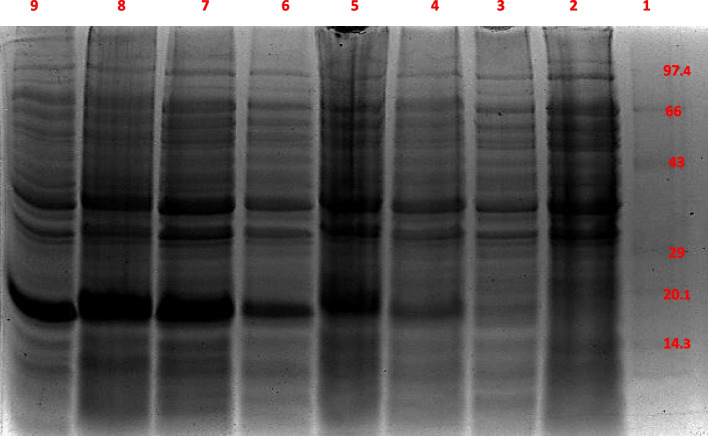
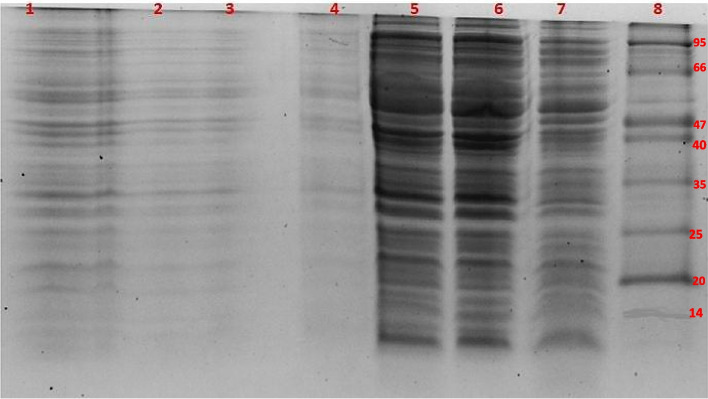
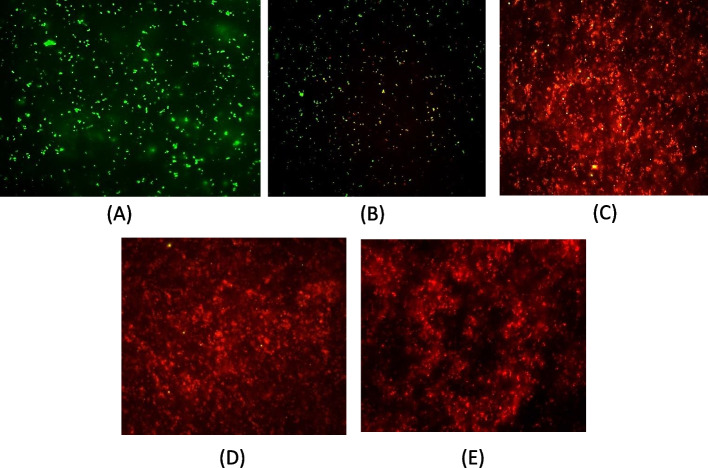
Conclusion: Antibacterial, antiviral, antifungal, anticancer, and antibiofilm activities of Pp-ALF could be revealed by in silico prediction tools. Recombinant expression of Pp-ALF was unsuccessful in the Escherichia coli Rosetta-gami expression system due to the cytotoxic effect of the peptide to the host. The toxic effect of Pp-ALF to the host was displayed by membrane permeabilization and death of the host cells by fluorescent staining with Syto9-Propidium Iodide and CTC-DAPI- FITC.



 京公网安备 11010802042870号
京ICP备2023020795号-1
京公网安备 11010802042870号
京ICP备2023020795号-1

 分享
分享

 求助内容:
求助内容: 应助结果提醒方式:
 扫码关注我们
