Field Evaluation of the Sentinel™ Integrative Passive Sampler for the Measurement of Perfluoroalkyl and Polyfluoroalkyl Substances in Water Using a Modified Organosilica Adsorbent
Paul L. Edmiston, Erika Carter, Kevin Toth, Riley Hershberger, Noah Hill, Patrick Versluis, Patrick Hollinden, Craig Divine
{"title":"Field Evaluation of the Sentinel™ Integrative Passive Sampler for the Measurement of Perfluoroalkyl and Polyfluoroalkyl Substances in Water Using a Modified Organosilica Adsorbent","authors":"Paul L. Edmiston, Erika Carter, Kevin Toth, Riley Hershberger, Noah Hill, Patrick Versluis, Patrick Hollinden, Craig Divine","doi":"10.1111/gwmr.12574","DOIUrl":null,"url":null,"abstract":"<p>A passive sampler specifically designed to measure perfluoroalkyl and polyfluoroalkyl substances (PFAS) in water was tested in four study areas (Ellsworth and Peterson Air Force bases, CO and SD; the Ohio River, OH, WV, KY, IN; and the Santa Ana River, CA). Locations included both groundwater and surface water locations. Over the 2-year study, 96 passive samplers were deployed at 33 sample locations and were compared with co-collected grab samples, all of which were measured for 19 PFAS analytes by HPLC–MS/MS. Correlations were observed (typically within 2× difference) between aqueous PFAS concentrations measured by passive versus discrete grab samples across over 5 orders of magnitude in concentration (0.5 to 150,000 ng/L). Overall relative percent difference between grab and passive results displayed a median of 18% (interquartile range of −19 to 73%). Detection limits were around 1 ng/L for a 2-week sampling time with sampling rates ranging from 12 to 70 mL/day in flowing systems. Duplicate samplers were deployed in all study areas which indicated a 14 to 42% (median 24%) relative standard deviation in the precision of passive sampling. Larger variances were seen with sites with higher and potentially more variable water flows. A sub-set of duplicate samplers were measured by a commercial laboratory which returned equivalent data to research laboratory measurements (43 [±26 SD]% relative percent difference). Standardized protocols and calculation methods were developed to facilitate expanded testing and future broader use of passive sampling for PFAS by site investigators.</p>","PeriodicalId":55081,"journal":{"name":"Ground Water Monitoring and Remediation","volume":"43 4","pages":"38-54"},"PeriodicalIF":1.3000,"publicationDate":"2023-04-01","publicationTypes":"Journal Article","fieldsOfStudy":null,"isOpenAccess":false,"openAccessPdf":"https://ngwa.onlinelibrary.wiley.com/doi/epdf/10.1111/gwmr.12574","citationCount":"0","resultStr":null,"platform":"Semanticscholar","paperid":null,"PeriodicalName":"Ground Water Monitoring and Remediation","FirstCategoryId":"93","ListUrlMain":"https://onlinelibrary.wiley.com/doi/10.1111/gwmr.12574","RegionNum":4,"RegionCategory":"环境科学与生态学","ArticlePicture":[],"TitleCN":null,"AbstractTextCN":null,"PMCID":null,"EPubDate":"","PubModel":"","JCR":"Q3","JCRName":"WATER RESOURCES","Score":null,"Total":0}
引用次数: 0
Abstract
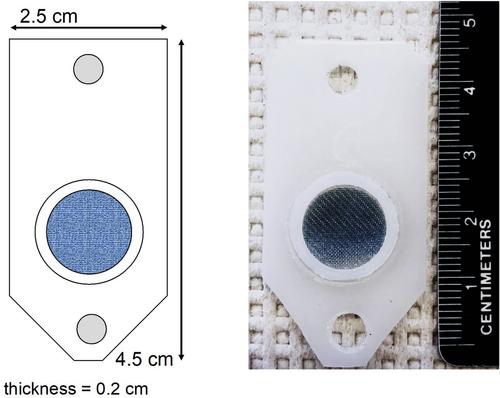
A passive sampler specifically designed to measure perfluoroalkyl and polyfluoroalkyl substances (PFAS) in water was tested in four study areas (Ellsworth and Peterson Air Force bases, CO and SD; the Ohio River, OH, WV, KY, IN; and the Santa Ana River, CA). Locations included both groundwater and surface water locations. Over the 2-year study, 96 passive samplers were deployed at 33 sample locations and were compared with co-collected grab samples, all of which were measured for 19 PFAS analytes by HPLC–MS/MS. Correlations were observed (typically within 2× difference) between aqueous PFAS concentrations measured by passive versus discrete grab samples across over 5 orders of magnitude in concentration (0.5 to 150,000 ng/L). Overall relative percent difference between grab and passive results displayed a median of 18% (interquartile range of −19 to 73%). Detection limits were around 1 ng/L for a 2-week sampling time with sampling rates ranging from 12 to 70 mL/day in flowing systems. Duplicate samplers were deployed in all study areas which indicated a 14 to 42% (median 24%) relative standard deviation in the precision of passive sampling. Larger variances were seen with sites with higher and potentially more variable water flows. A sub-set of duplicate samplers were measured by a commercial laboratory which returned equivalent data to research laboratory measurements (43 [±26 SD]% relative percent difference). Standardized protocols and calculation methods were developed to facilitate expanded testing and future broader use of passive sampling for PFAS by site investigators.
期刊介绍:
Since its inception in 1981, Groundwater Monitoring & Remediation® has been a resource for researchers and practitioners in the field. It is a quarterly journal that offers the best in application oriented, peer-reviewed papers together with insightful articles from the practitioner''s perspective. Each issue features papers containing cutting-edge information on treatment technology, columns by industry experts, news briefs, and equipment news. GWMR plays a unique role in advancing the practice of the groundwater monitoring and remediation field by providing forward-thinking research with practical solutions.



 京公网安备 11010802042870号
京ICP备2023020795号-1
京公网安备 11010802042870号
京ICP备2023020795号-1

 分享
分享
 求助内容:
求助内容: 应助结果提醒方式:
 扫码关注我们
