Parental obesity predisposes to exacerbated metabolic and inflammatory disturbances in childhood obesity within the framework of an altered profile of trace elements.
Álvaro González-Domínguez, Lucía Jurado-Sumariva, Jesús Domínguez-Riscart, Ana Saez-Benito, Raúl González-Domínguez
{"title":"Parental obesity predisposes to exacerbated metabolic and inflammatory disturbances in childhood obesity within the framework of an altered profile of trace elements.","authors":"Álvaro González-Domínguez, Lucía Jurado-Sumariva, Jesús Domínguez-Riscart, Ana Saez-Benito, Raúl González-Domínguez","doi":"10.1038/s41387-024-00258-6","DOIUrl":null,"url":null,"abstract":"<p><strong>Background: </strong>Family history of obesity is known to increase the odds of developing childhood obesity in the offspring, but its influence in underlying molecular complications remains unexplored.</p><p><strong>Subjects/methods: </strong>Here, we investigated a population-based cohort comprising children with obesity, with and without parental obesity (PO+, N = 20; PO-, N = 29), and lean healthy children as controls (N = 30), from whom plasma and erythrocyte samples were collected to characterize their multi-elemental profile, inflammatory status, as well as carbohydrate and lipid metabolisms.</p><p><strong>Results: </strong>We found parental obesity to be associated with unhealthier outcomes in children, as reflected in increased blood insulin levels and reduced insulin sensitivity, unfavorable lipid profile, and pro-inflammatory milieu. This was accompanied by moderate alterations in the content of trace elements, including increased copper-to-zinc ratios and iron deficiency in circulation, as well as metal accumulation within erythrocytes.</p><p><strong>Conclusions: </strong>Therefore, we hypothesize that family history of obesity could be an important risk factor in modulating the characteristic multi-elemental alterations behind childhood obesity, which in turn could predispose to boost related comorbidities and metabolic complications.</p>","PeriodicalId":19339,"journal":{"name":"Nutrition & Diabetes","volume":"14 1","pages":"2"},"PeriodicalIF":5.2000,"publicationDate":"2024-01-18","publicationTypes":"Journal Article","fieldsOfStudy":null,"isOpenAccess":false,"openAccessPdf":"https://www.ncbi.nlm.nih.gov/pmc/articles/PMC10796909/pdf/","citationCount":"0","resultStr":null,"platform":"Semanticscholar","paperid":null,"PeriodicalName":"Nutrition & Diabetes","FirstCategoryId":"3","ListUrlMain":"https://doi.org/10.1038/s41387-024-00258-6","RegionNum":2,"RegionCategory":"医学","ArticlePicture":[],"TitleCN":null,"AbstractTextCN":null,"PMCID":null,"EPubDate":"","PubModel":"","JCR":"Q1","JCRName":"ENDOCRINOLOGY & METABOLISM","Score":null,"Total":0}
引用次数: 0
Abstract
Background: Family history of obesity is known to increase the odds of developing childhood obesity in the offspring, but its influence in underlying molecular complications remains unexplored.
Subjects/methods: Here, we investigated a population-based cohort comprising children with obesity, with and without parental obesity (PO+, N = 20; PO-, N = 29), and lean healthy children as controls (N = 30), from whom plasma and erythrocyte samples were collected to characterize their multi-elemental profile, inflammatory status, as well as carbohydrate and lipid metabolisms.
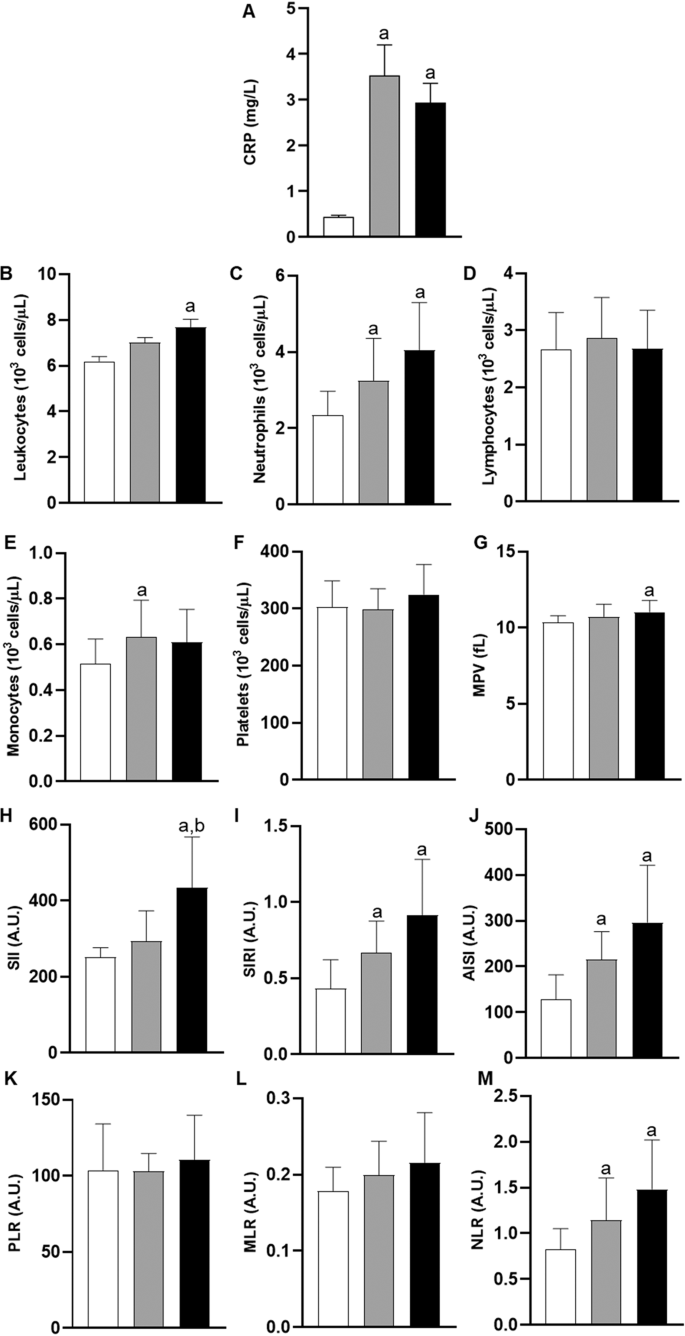
Results: We found parental obesity to be associated with unhealthier outcomes in children, as reflected in increased blood insulin levels and reduced insulin sensitivity, unfavorable lipid profile, and pro-inflammatory milieu. This was accompanied by moderate alterations in the content of trace elements, including increased copper-to-zinc ratios and iron deficiency in circulation, as well as metal accumulation within erythrocytes.
Conclusions: Therefore, we hypothesize that family history of obesity could be an important risk factor in modulating the characteristic multi-elemental alterations behind childhood obesity, which in turn could predispose to boost related comorbidities and metabolic complications.
期刊介绍:
Nutrition & Diabetes is a peer-reviewed, online, open access journal bringing to the fore outstanding research in the areas of nutrition and chronic disease, including diabetes, from the molecular to the population level.




 京公网安备 11010802042870号
京ICP备2023020795号-1
京公网安备 11010802042870号
京ICP备2023020795号-1

 分享
分享
 求助内容:
求助内容: 应助结果提醒方式:
 扫码关注我们
