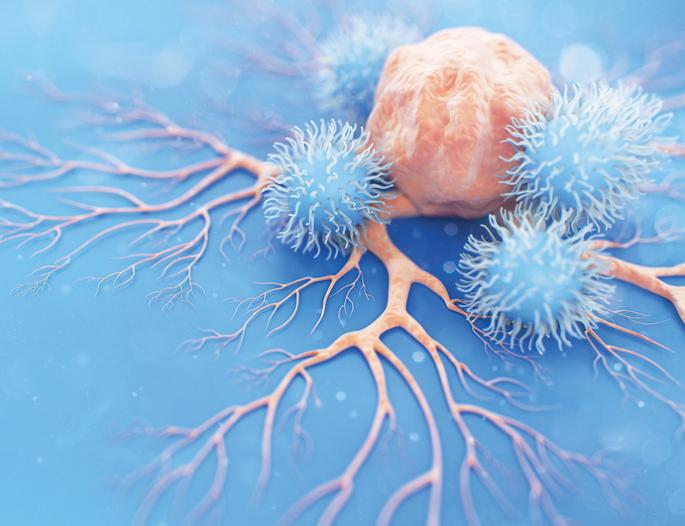
肿瘤可以通过抑制肿瘤微环境(TME)中免疫细胞的活性来躲避免疫系统,其中细胞毒性 CD8+ T 细胞是免疫抑制的一个关键靶点。细胞新陈代谢》(Cell Metabolism)杂志上的一项研究发现了成纤维细胞生长因子21(FGF21)通过抑制CD8+ T细胞活性促进肿瘤生长的机制。与用对照培养基处理的 T 细胞相比,用中药处理的 T 细胞产生的 IFNγ 和颗粒酶 B 等分子大大减少。这一发现表明,T细胞的功能受到了肿瘤分泌因子的抑制。通过蛋白质组分析,研究人员发现,与对照培养基相比,FGF21是中药中持续上调的因子。与来自同一人的健康组织样本相比,来自结肠癌患者的肿瘤样本同样显示出 FGF21 的表达增加。
期刊介绍:
Nature Reviews Endocrinology aspires to be the foremost platform for reviews and commentaries catering to the scientific communities it serves. The journal aims to publish articles characterized by authority, accessibility, and clarity, enhanced with easily understandable figures, tables, and other visual aids. The goal is to offer an unparalleled service to authors, referees, and readers, striving to maximize the usefulness and impact of each article. Nature Reviews Endocrinology publishes Research Highlights, Comments, News & Views, Reviews, Consensus Statements, and Perspectives relevant to researchers and clinicians in the fields of endocrinology and metabolism. Its broad scope ensures that the work it publishes reaches the widest possible audience.



 京公网安备 11010802042870号
京ICP备2023020795号-1
京公网安备 11010802042870号
京ICP备2023020795号-1

 分享
分享
 求助内容:
求助内容: 应助结果提醒方式:
 扫码关注我们
