Ina Schmitt, Bernd O Evert, Amit Sharma, Hassan Khazneh, Chris Murgatroyd, Ullrich Wüllner
{"title":"The Alpha-Synuclein Gene (SNCA) is a Genomic Target of Methyl-CpG Binding Protein 2 (MeCP2)-Implications for Parkinson's Disease and Rett Syndrome.","authors":"Ina Schmitt, Bernd O Evert, Amit Sharma, Hassan Khazneh, Chris Murgatroyd, Ullrich Wüllner","doi":"10.1007/s12035-024-03974-3","DOIUrl":null,"url":null,"abstract":"<p><p>Mounting evidence suggests a prominent role for alpha-synuclein (a-syn) in neuronal cell function. Alterations in the levels of cellular a-syn have been hypothesized to play a critical role in the development of Parkinson's disease (PD); however, mechanisms that control expression of the gene for a-syn (SNCA) in cis and trans as well as turnover of a-syn are not well understood. We analyzed whether methyl-CpG binding protein 2 (MeCP2), a protein that specifically binds methylated DNA, thus regulating transcription, binds at predicted binding sites in intron 1 of the SNCA gene and regulates a-syn protein expression. Chromatin immunoprecipitation (ChIP) and electrophoretic mobility-shift assays (EMSA) were used to confirm binding of MeCP2 to regulatory regions of SNCA. Site-specific methylation and introduction of localized mutations by CRISPR/Cas9 were used to investigate the binding properties of MeCP2 in human SK-N-SH neuroblastoma cells. The significance of MeCP2 for SNCA regulation was further investigated by overexpressing MeCP2 and mutated variants of MeCP2 in MeCP2 knockout cells. We found that methylation-dependent binding of MeCP2 at a restricted region of intron 1 of SNCA had a significant impact on the production of a-syn. A single nucleotide substitution near to CpG1 strongly increased the binding of MeCP2 to intron 1 of SNCA and decreased a-syn protein expression by 60%. In contrast, deletion of a single nucleotide closed to CpG2 led to reduced binding of MeCP2 and significantly increased a-syn levels. In accordance, knockout of MeCP2 in SK-N-SH cells resulted in a significant increase in a-syn production, demonstrating that SNCA is a genomic target for MeCP2 regulation. In addition, the expression of two mutated MeCP2 variants found in Rett syndrome (RTT) showed a loss of their ability to reduce a-syn expression. This study demonstrates that methylation of CpGs and binding of MeCP2 to intron 1 of the SNCA gene plays an important role in the control of a-syn expression. In addition, the changes in SNCA regulation found by expression of MeCP2 variants carrying mutations found in RTT patients may be of importance for the elucidation of a new molecular pathway in RTT, a rare neurological disorder caused by mutations in MECP2.</p>","PeriodicalId":18762,"journal":{"name":"Molecular Neurobiology","volume":" ","pages":"7830-7844"},"PeriodicalIF":4.3000,"publicationDate":"2024-10-01","publicationTypes":"Journal Article","fieldsOfStudy":null,"isOpenAccess":false,"openAccessPdf":"https://www.ncbi.nlm.nih.gov/pmc/articles/PMC11415397/pdf/","citationCount":"0","resultStr":null,"platform":"Semanticscholar","paperid":null,"PeriodicalName":"Molecular Neurobiology","FirstCategoryId":"3","ListUrlMain":"https://doi.org/10.1007/s12035-024-03974-3","RegionNum":2,"RegionCategory":"医学","ArticlePicture":[],"TitleCN":null,"AbstractTextCN":null,"PMCID":null,"EPubDate":"2024/3/2 0:00:00","PubModel":"Epub","JCR":"Q1","JCRName":"NEUROSCIENCES","Score":null,"Total":0}
引用次数: 0
Abstract
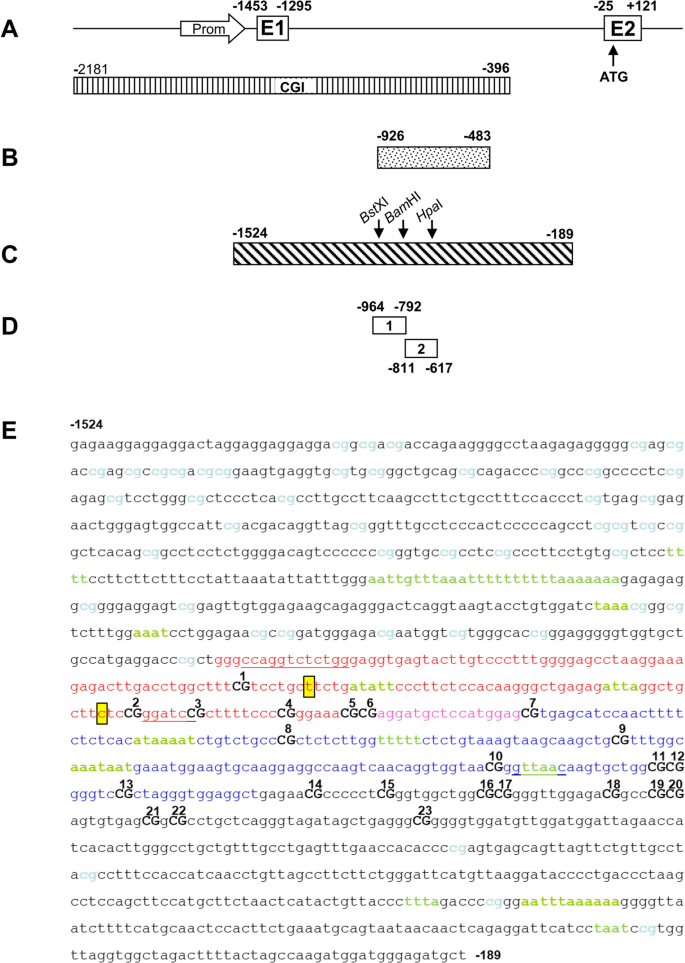
Mounting evidence suggests a prominent role for alpha-synuclein (a-syn) in neuronal cell function. Alterations in the levels of cellular a-syn have been hypothesized to play a critical role in the development of Parkinson's disease (PD); however, mechanisms that control expression of the gene for a-syn (SNCA) in cis and trans as well as turnover of a-syn are not well understood. We analyzed whether methyl-CpG binding protein 2 (MeCP2), a protein that specifically binds methylated DNA, thus regulating transcription, binds at predicted binding sites in intron 1 of the SNCA gene and regulates a-syn protein expression. Chromatin immunoprecipitation (ChIP) and electrophoretic mobility-shift assays (EMSA) were used to confirm binding of MeCP2 to regulatory regions of SNCA. Site-specific methylation and introduction of localized mutations by CRISPR/Cas9 were used to investigate the binding properties of MeCP2 in human SK-N-SH neuroblastoma cells. The significance of MeCP2 for SNCA regulation was further investigated by overexpressing MeCP2 and mutated variants of MeCP2 in MeCP2 knockout cells. We found that methylation-dependent binding of MeCP2 at a restricted region of intron 1 of SNCA had a significant impact on the production of a-syn. A single nucleotide substitution near to CpG1 strongly increased the binding of MeCP2 to intron 1 of SNCA and decreased a-syn protein expression by 60%. In contrast, deletion of a single nucleotide closed to CpG2 led to reduced binding of MeCP2 and significantly increased a-syn levels. In accordance, knockout of MeCP2 in SK-N-SH cells resulted in a significant increase in a-syn production, demonstrating that SNCA is a genomic target for MeCP2 regulation. In addition, the expression of two mutated MeCP2 variants found in Rett syndrome (RTT) showed a loss of their ability to reduce a-syn expression. This study demonstrates that methylation of CpGs and binding of MeCP2 to intron 1 of the SNCA gene plays an important role in the control of a-syn expression. In addition, the changes in SNCA regulation found by expression of MeCP2 variants carrying mutations found in RTT patients may be of importance for the elucidation of a new molecular pathway in RTT, a rare neurological disorder caused by mutations in MECP2.
期刊介绍:
Molecular Neurobiology is an exciting journal for neuroscientists needing to stay in close touch with progress at the forefront of molecular brain research today. It is an especially important periodical for graduate students and "postdocs," specifically designed to synthesize and critically assess research trends for all neuroscientists hoping to stay active at the cutting edge of this dramatically developing area. This journal has proven to be crucial in departmental libraries, serving as essential reading for every committed neuroscientist who is striving to keep abreast of all rapid developments in a forefront field. Most recent significant advances in experimental and clinical neuroscience have been occurring at the molecular level. Until now, there has been no journal devoted to looking closely at this fragmented literature in a critical, coherent fashion. Each submission is thoroughly analyzed by scientists and clinicians internationally renowned for their special competence in the areas treated.



 京公网安备 11010802042870号
京ICP备2023020795号-1
京公网安备 11010802042870号
京ICP备2023020795号-1

 分享
分享
 求助内容:
求助内容: 应助结果提醒方式:
 扫码关注我们
