Bow Suprasert, Moranda Tate, Danyion Reagan, Raul Ruiz, Katherine Gao, Katherine McNaughton, Kassandra Miller, Alexander Marr, Kelly D. Taylor, Erin C. Wilson, Willi McFarland
{"title":"Continuing Low Awareness and Use of Pre-exposure Prophylaxis (PrEP) for HIV among People Who Inject Drugs (PWID), San Francisco, 2022","authors":"Bow Suprasert, Moranda Tate, Danyion Reagan, Raul Ruiz, Katherine Gao, Katherine McNaughton, Kassandra Miller, Alexander Marr, Kelly D. Taylor, Erin C. Wilson, Willi McFarland","doi":"10.1007/s10461-024-04308-z","DOIUrl":null,"url":null,"abstract":"<div><p>Clinical trials provide evidence that pre-exposure prophylaxis (PrEP) prevents HIV acquisition including through sharing of injection equipment among people who inject drugs (PWID). However, uptake among many populations at risk for HIV has been slow, particularly among PWID. We examined data from the National HIV Behavioral Surveillance (NHBS) from San Francisco in 2022 to measure PrEP uptake and identify factors associated with PrEP awareness among PWID. Of 479 PWID with HIV-negative or unknown HIV status, 54.9% were aware of PrEP, 5.9% had discussed PrEP with a healthcare provider, and 1.5% had used PrEP in the past year. Lack of PrEP awareness was associated with being age 50 years and older (adjusted odds ratio [aOR] 0.40, 95% CI 0.27–0.60), being men who have sex with women (vs. men who have sex with men, aOR 0.47, 95% CI 0.24–0.92), having a disability (aOR 0.58, 95% CI 0.35–0.95), using heroin as their most frequently injected drug (aOR 0.51, 95% CI, 0.34–0.78), not having tested for HIV, HCV, or an STD in the past year (aOR 0.43, 95% CI 0.28–0.64), and not having access to new sterile needles in the past year (aOR 0.28, 95%CI 0.08–1.00). We found negligible change in the awareness and uptake of PrEP among PWID since previously measured in NHBS in 2018. Low PrEP use among PWID may be addressed by increasing provider discussion of PrEP with their PWID patients and clients during routine care, expanding testing for injection-related infections among PWID, and integrating PrEP access into harm reduction programs.</p></div>","PeriodicalId":7543,"journal":{"name":"AIDS and Behavior","volume":"28 6","pages":"2089 - 2100"},"PeriodicalIF":2.4000,"publicationDate":"2024-03-25","publicationTypes":"Journal Article","fieldsOfStudy":null,"isOpenAccess":false,"openAccessPdf":"","citationCount":"0","resultStr":null,"platform":"Semanticscholar","paperid":null,"PeriodicalName":"AIDS and Behavior","FirstCategoryId":"3","ListUrlMain":"https://link.springer.com/article/10.1007/s10461-024-04308-z","RegionNum":2,"RegionCategory":"医学","ArticlePicture":[],"TitleCN":null,"AbstractTextCN":null,"PMCID":null,"EPubDate":"","PubModel":"","JCR":"Q2","JCRName":"PUBLIC, ENVIRONMENTAL & OCCUPATIONAL HEALTH","Score":null,"Total":0}
引用次数: 0
Abstract
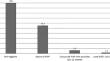
Clinical trials provide evidence that pre-exposure prophylaxis (PrEP) prevents HIV acquisition including through sharing of injection equipment among people who inject drugs (PWID). However, uptake among many populations at risk for HIV has been slow, particularly among PWID. We examined data from the National HIV Behavioral Surveillance (NHBS) from San Francisco in 2022 to measure PrEP uptake and identify factors associated with PrEP awareness among PWID. Of 479 PWID with HIV-negative or unknown HIV status, 54.9% were aware of PrEP, 5.9% had discussed PrEP with a healthcare provider, and 1.5% had used PrEP in the past year. Lack of PrEP awareness was associated with being age 50 years and older (adjusted odds ratio [aOR] 0.40, 95% CI 0.27–0.60), being men who have sex with women (vs. men who have sex with men, aOR 0.47, 95% CI 0.24–0.92), having a disability (aOR 0.58, 95% CI 0.35–0.95), using heroin as their most frequently injected drug (aOR 0.51, 95% CI, 0.34–0.78), not having tested for HIV, HCV, or an STD in the past year (aOR 0.43, 95% CI 0.28–0.64), and not having access to new sterile needles in the past year (aOR 0.28, 95%CI 0.08–1.00). We found negligible change in the awareness and uptake of PrEP among PWID since previously measured in NHBS in 2018. Low PrEP use among PWID may be addressed by increasing provider discussion of PrEP with their PWID patients and clients during routine care, expanding testing for injection-related infections among PWID, and integrating PrEP access into harm reduction programs.
期刊介绍:
AIDS and Behavior provides an international venue for the scientific exchange of research and scholarly work on the contributing factors, prevention, consequences, social impact, and response to HIV/AIDS. This bimonthly journal publishes original peer-reviewed papers that address all areas of AIDS behavioral research including: individual, contextual, social, economic and geographic factors that facilitate HIV transmission; interventions aimed to reduce HIV transmission risks at all levels and in all contexts; mental health aspects of HIV/AIDS; medical and behavioral consequences of HIV infection - including health-related quality of life, coping, treatment and treatment adherence; and the impact of HIV infection on adults children, families, communities and societies. The journal publishes original research articles, brief research reports, and critical literature reviews. provides an international venue for the scientific exchange of research and scholarly work on the contributing factors, prevention, consequences, social impact, and response to HIV/AIDS. This bimonthly journal publishes original peer-reviewed papers that address all areas of AIDS behavioral research including: individual, contextual, social, economic and geographic factors that facilitate HIV transmission; interventions aimed to reduce HIV transmission risks at all levels and in all contexts; mental health aspects of HIV/AIDS; medical and behavioral consequences of HIV infection - including health-related quality of life, coping, treatment and treatment adherence; and the impact of HIV infection on adults children, families, communities and societies. The journal publishes original research articles, brief research reports, and critical literature reviews.5 Year Impact Factor: 2.965 (2008) Section ''SOCIAL SCIENCES, BIOMEDICAL'': Rank 5 of 29 Section ''PUBLIC, ENVIRONMENTAL & OCCUPATIONAL HEALTH'': Rank 9 of 76




 京公网安备 11010802042870号
京ICP备2023020795号-1
京公网安备 11010802042870号
京ICP备2023020795号-1

 分享
分享
 求助内容:
求助内容: 应助结果提醒方式:
 扫码关注我们
