M. W. Wright, C. Thaxton, T. Nelson, Marina T. DiStefano, J. Savatt, Matthew H Brush, Gloria Cheung, Mark E. Mandell, Bryan Wulf, T. J. Ward, Scott Goehringer, Terry O'Neill, Phil Weller, C. Preston, Ingrid M Keseler, Jennifer L Goldstein, Natasha T Strande, Jennifer L McGlaughon, Danielle R Azzariti, Ineke Cordova, Hannah Dziadzio, Lawrence Babb, Kevin Riehle, A. Milosavljevic, Christa Lese Martin, Heidi L. Rehm, S. Plon, Jonathan S. Berg, E. Riggs, Teri E Klein
{"title":"Generating Clinical-Grade Gene-Disease Validity Classifications Through the ClinGen Data Platforms.","authors":"M. W. Wright, C. Thaxton, T. Nelson, Marina T. DiStefano, J. Savatt, Matthew H Brush, Gloria Cheung, Mark E. Mandell, Bryan Wulf, T. J. Ward, Scott Goehringer, Terry O'Neill, Phil Weller, C. Preston, Ingrid M Keseler, Jennifer L Goldstein, Natasha T Strande, Jennifer L McGlaughon, Danielle R Azzariti, Ineke Cordova, Hannah Dziadzio, Lawrence Babb, Kevin Riehle, A. Milosavljevic, Christa Lese Martin, Heidi L. Rehm, S. Plon, Jonathan S. Berg, E. Riggs, Teri E Klein","doi":"10.1146/annurev-biodatasci-102423-112456","DOIUrl":null,"url":null,"abstract":"Clinical genetic laboratories must have access to clinically validated biomedical data for precision medicine. A lack of accessibility, normalized structure, and consistency in evaluation complicates interpretation of disease causality, resulting in confusion in assessing the clinical validity of genes and genetic variants for diagnosis. A key goal of the Clinical Genome Resource (ClinGen) is to fill the knowledge gap concerning the strength of evidence supporting the role of a gene in a monogenic disease, which is achieved through a process known as Gene-Disease Validity curation. Here we review the work of ClinGen in developing a curation infrastructure that supports the standardization, harmonization, and dissemination of Gene-Disease Validity data through the creation of frameworks and the utilization of common data standards. This infrastructure is based on several applications, including the ClinGen GeneTracker, Gene Curation Interface, Data Exchange, GeneGraph, and website.","PeriodicalId":7,"journal":{"name":"ACS Applied Polymer Materials","volume":"55 21","pages":""},"PeriodicalIF":4.7000,"publicationDate":"2024-04-25","publicationTypes":"Journal Article","fieldsOfStudy":null,"isOpenAccess":false,"openAccessPdf":"","citationCount":"0","resultStr":null,"platform":"Semanticscholar","paperid":null,"PeriodicalName":"ACS Applied Polymer Materials","FirstCategoryId":"1085","ListUrlMain":"https://doi.org/10.1146/annurev-biodatasci-102423-112456","RegionNum":2,"RegionCategory":"化学","ArticlePicture":[],"TitleCN":null,"AbstractTextCN":null,"PMCID":null,"EPubDate":"","PubModel":"","JCR":"Q2","JCRName":"MATERIALS SCIENCE, MULTIDISCIPLINARY","Score":null,"Total":0}
引用次数: 0
Abstract
Clinical genetic laboratories must have access to clinically validated biomedical data for precision medicine. A lack of accessibility, normalized structure, and consistency in evaluation complicates interpretation of disease causality, resulting in confusion in assessing the clinical validity of genes and genetic variants for diagnosis. A key goal of the Clinical Genome Resource (ClinGen) is to fill the knowledge gap concerning the strength of evidence supporting the role of a gene in a monogenic disease, which is achieved through a process known as Gene-Disease Validity curation. Here we review the work of ClinGen in developing a curation infrastructure that supports the standardization, harmonization, and dissemination of Gene-Disease Validity data through the creation of frameworks and the utilization of common data standards. This infrastructure is based on several applications, including the ClinGen GeneTracker, Gene Curation Interface, Data Exchange, GeneGraph, and website.
期刊介绍:
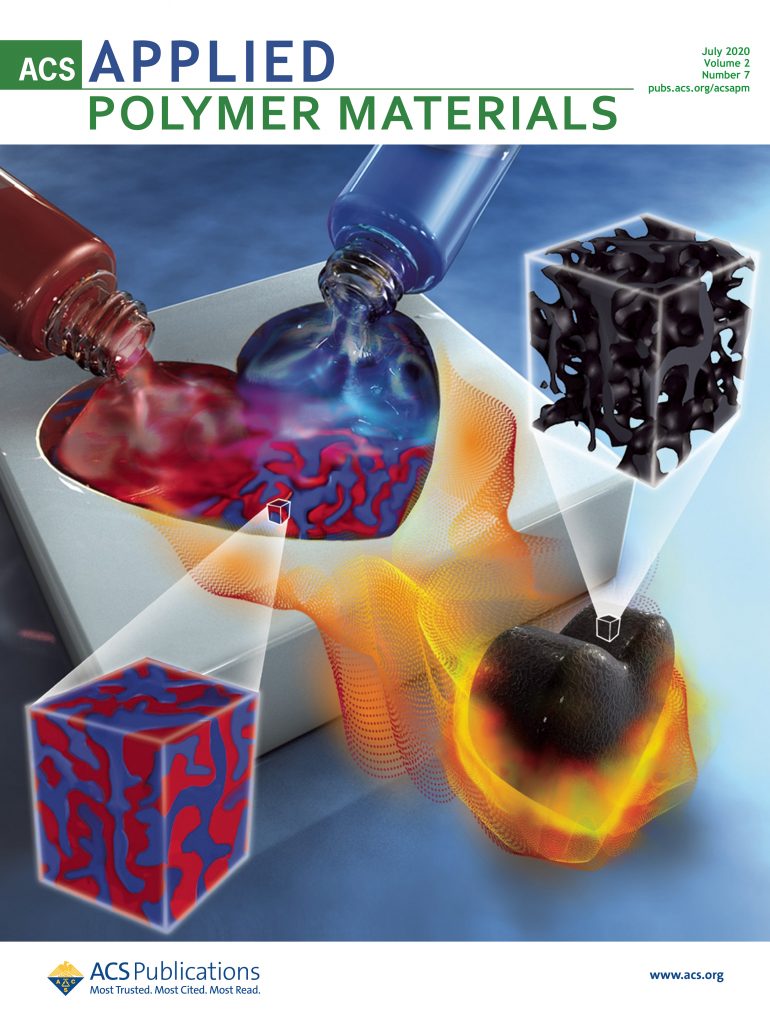
ACS Applied Polymer Materials is an interdisciplinary journal publishing original research covering all aspects of engineering, chemistry, physics, and biology relevant to applications of polymers.
The journal is devoted to reports of new and original experimental and theoretical research of an applied nature that integrates fundamental knowledge in the areas of materials, engineering, physics, bioscience, polymer science and chemistry into important polymer applications. The journal is specifically interested in work that addresses relationships among structure, processing, morphology, chemistry, properties, and function as well as work that provide insights into mechanisms critical to the performance of the polymer for applications.



 京公网安备 11010802042870号
京ICP备2023020795号-1
京公网安备 11010802042870号
京ICP备2023020795号-1

 分享
分享
 求助内容:
求助内容: 应助结果提醒方式:
 扫码关注我们
