Cystatin C Attenuates Perihematomal Secondary Brain Injury by Inhibiting the Cathepsin B/NLRP3 Signaling Pathway in a Rat Model of Intracerebral Hemorrhage.
{"title":"Cystatin C Attenuates Perihematomal Secondary Brain Injury by Inhibiting the Cathepsin B/NLRP3 Signaling Pathway in a Rat Model of Intracerebral Hemorrhage.","authors":"Yongfang Zhou, Wentao Dong, Likun Wang, Siying Ren, Weiqing Wei, Guofeng Wu","doi":"10.1007/s12035-024-04195-4","DOIUrl":null,"url":null,"abstract":"<p><p>Secondary brain injury (SBI) is a noticeable contributor to the high mortality and morbidity rates associated with intracerebral hemorrhage (ICH), and effective treatment options remain limited. Cystatin C (CysC) emerges as a novel candidate for SBI intervention. The therapeutic effects and underlying mechanisms of CysC in mitigating SBI following ICH were explored in the current research. An in vivo ICH rat model was established by injecting autologous blood into the right caudate nucleus. Western blotting (WB) was utilized to assess the levels of CysC, cathepsin B (CTSB), and the NLRP3 inflammasome. Subsequently, the ICH rat model was treated with exogenous CysC supplementation or CysC knockdown plasmids. Various parameters, including Evans blue (EB) extravasation, brain water content, and neurological function in rats, were examined. RT-qPCR and WB were employed to determine the expression levels of CTSB and the NLRP3 inflammasome. The co-expression of CTSB, CysC, and NLRP3 inflammasome with GFAP, NeuN, and Iba1 was assessed through double-labeled immunofluorescence. The interaction between CysC and CTSB was investigated using double-labeled immunofluorescence and co-immunoprecipitation. The findings revealed an elevation of CysC expression level, particularly at 24 h after ICH. Exogenous CysC supplementation alleviated severe brain edema, neurological deficit scores, and EB extravasation induced by ICH. Conversely, CysC knockdown produced opposite effects. The expression levels of CTSB and the NLRP3 inflammasome were significantly risen following ICH, and exogenous CysC supplement attenuated their expression levels. Double-labeled immunofluorescence illustrated that CysC, CTSB, and the NLRP3 inflammasome were predominantly expressed in microglial cells, and the interaction between CysC and CTSB was evidenced. CysC exhibited potential in ameliorating SBI following ICH via effectively suppressing the activation of the NLRP3 inflammasome mediated by CTSB specifically in microglial cells. These findings underscore the prospective therapeutic efficacy of CysC in the treatment of ICH-induced complications.</p>","PeriodicalId":18762,"journal":{"name":"Molecular Neurobiology","volume":" ","pages":"9646-9662"},"PeriodicalIF":4.3000,"publicationDate":"2024-11-01","publicationTypes":"Journal Article","fieldsOfStudy":null,"isOpenAccess":false,"openAccessPdf":"","citationCount":"0","resultStr":null,"platform":"Semanticscholar","paperid":null,"PeriodicalName":"Molecular Neurobiology","FirstCategoryId":"3","ListUrlMain":"https://doi.org/10.1007/s12035-024-04195-4","RegionNum":2,"RegionCategory":"医学","ArticlePicture":[],"TitleCN":null,"AbstractTextCN":null,"PMCID":null,"EPubDate":"2024/4/27 0:00:00","PubModel":"Epub","JCR":"Q1","JCRName":"NEUROSCIENCES","Score":null,"Total":0}
引用次数: 0
Abstract
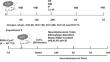
Secondary brain injury (SBI) is a noticeable contributor to the high mortality and morbidity rates associated with intracerebral hemorrhage (ICH), and effective treatment options remain limited. Cystatin C (CysC) emerges as a novel candidate for SBI intervention. The therapeutic effects and underlying mechanisms of CysC in mitigating SBI following ICH were explored in the current research. An in vivo ICH rat model was established by injecting autologous blood into the right caudate nucleus. Western blotting (WB) was utilized to assess the levels of CysC, cathepsin B (CTSB), and the NLRP3 inflammasome. Subsequently, the ICH rat model was treated with exogenous CysC supplementation or CysC knockdown plasmids. Various parameters, including Evans blue (EB) extravasation, brain water content, and neurological function in rats, were examined. RT-qPCR and WB were employed to determine the expression levels of CTSB and the NLRP3 inflammasome. The co-expression of CTSB, CysC, and NLRP3 inflammasome with GFAP, NeuN, and Iba1 was assessed through double-labeled immunofluorescence. The interaction between CysC and CTSB was investigated using double-labeled immunofluorescence and co-immunoprecipitation. The findings revealed an elevation of CysC expression level, particularly at 24 h after ICH. Exogenous CysC supplementation alleviated severe brain edema, neurological deficit scores, and EB extravasation induced by ICH. Conversely, CysC knockdown produced opposite effects. The expression levels of CTSB and the NLRP3 inflammasome were significantly risen following ICH, and exogenous CysC supplement attenuated their expression levels. Double-labeled immunofluorescence illustrated that CysC, CTSB, and the NLRP3 inflammasome were predominantly expressed in microglial cells, and the interaction between CysC and CTSB was evidenced. CysC exhibited potential in ameliorating SBI following ICH via effectively suppressing the activation of the NLRP3 inflammasome mediated by CTSB specifically in microglial cells. These findings underscore the prospective therapeutic efficacy of CysC in the treatment of ICH-induced complications.
期刊介绍:
Molecular Neurobiology is an exciting journal for neuroscientists needing to stay in close touch with progress at the forefront of molecular brain research today. It is an especially important periodical for graduate students and "postdocs," specifically designed to synthesize and critically assess research trends for all neuroscientists hoping to stay active at the cutting edge of this dramatically developing area. This journal has proven to be crucial in departmental libraries, serving as essential reading for every committed neuroscientist who is striving to keep abreast of all rapid developments in a forefront field. Most recent significant advances in experimental and clinical neuroscience have been occurring at the molecular level. Until now, there has been no journal devoted to looking closely at this fragmented literature in a critical, coherent fashion. Each submission is thoroughly analyzed by scientists and clinicians internationally renowned for their special competence in the areas treated.



 京公网安备 11010802042870号
京ICP备2023020795号-1
京公网安备 11010802042870号
京ICP备2023020795号-1

 分享
分享
 求助内容:
求助内容: 应助结果提醒方式:
 扫码关注我们
