Khiem Khuc, Jude des Bordes, Abayomi Ogunwale, Maria-Bernadette Madel, Catherine Ambrose, Paul Schulz, Florent Elefteriou, Ann Schwartz, Nahid J Rianon
{"title":"Protective Effects of β-Blockers on Bone in Older Adults with Dementia.","authors":"Khiem Khuc, Jude des Bordes, Abayomi Ogunwale, Maria-Bernadette Madel, Catherine Ambrose, Paul Schulz, Florent Elefteriou, Ann Schwartz, Nahid J Rianon","doi":"10.1007/s00223-024-01221-4","DOIUrl":null,"url":null,"abstract":"<p><p>Increased β-adrenergic receptor activity has been hypothesized to cause bone loss in those with dementia. We investigated the effect of long-term β-blocker use on rate of bone loss in older adults with dementia. We used a linear mixed-effects model to estimate the relationship between long-term β-blocker use and rate of bone loss in participants from the Health Aging and Body Composition study. Records of 1198 participants were analyzed, 44.7% were men. Among the men, 25.2% had dementia and 20.2% were on β-blockers, while in the women, 22.5% had dementia and 16.6% received β-blockers. In the 135 men with dementia, 23 were taking β-blockers, while 15 of 149 women with dementia were using β-blockers. In men with dementia, β-blocker users had 0.00491 g/cm<sup>2</sup> less bone mineral density (BMD) loss per year at the femoral neck (i.e., 0.63% less loss per year) than non-users (p < 0.05). No differences were detected in women with or without dementia and men without dementia. β-blockers may be protective by slowing down bone loss in older men with dementia.</p>","PeriodicalId":9601,"journal":{"name":"Calcified Tissue International","volume":" ","pages":"14-22"},"PeriodicalIF":3.2000,"publicationDate":"2024-07-01","publicationTypes":"Journal Article","fieldsOfStudy":null,"isOpenAccess":false,"openAccessPdf":"","citationCount":"0","resultStr":null,"platform":"Semanticscholar","paperid":null,"PeriodicalName":"Calcified Tissue International","FirstCategoryId":"3","ListUrlMain":"https://doi.org/10.1007/s00223-024-01221-4","RegionNum":3,"RegionCategory":"医学","ArticlePicture":[],"TitleCN":null,"AbstractTextCN":null,"PMCID":null,"EPubDate":"2024/5/14 0:00:00","PubModel":"Epub","JCR":"Q2","JCRName":"ENDOCRINOLOGY & METABOLISM","Score":null,"Total":0}
引用次数: 0
Abstract
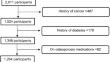
Increased β-adrenergic receptor activity has been hypothesized to cause bone loss in those with dementia. We investigated the effect of long-term β-blocker use on rate of bone loss in older adults with dementia. We used a linear mixed-effects model to estimate the relationship between long-term β-blocker use and rate of bone loss in participants from the Health Aging and Body Composition study. Records of 1198 participants were analyzed, 44.7% were men. Among the men, 25.2% had dementia and 20.2% were on β-blockers, while in the women, 22.5% had dementia and 16.6% received β-blockers. In the 135 men with dementia, 23 were taking β-blockers, while 15 of 149 women with dementia were using β-blockers. In men with dementia, β-blocker users had 0.00491 g/cm2 less bone mineral density (BMD) loss per year at the femoral neck (i.e., 0.63% less loss per year) than non-users (p < 0.05). No differences were detected in women with or without dementia and men without dementia. β-blockers may be protective by slowing down bone loss in older men with dementia.
期刊介绍:
Calcified Tissue International and Musculoskeletal Research publishes original research and reviews concerning the structure and function of bone, and other musculoskeletal tissues in living organisms and clinical studies of musculoskeletal disease. It includes studies of cell biology, molecular biology, intracellular signalling, and physiology, as well as research into the hormones, cytokines and other mediators that influence the musculoskeletal system. The journal also publishes clinical studies of relevance to bone disease, mineral metabolism, muscle function, and musculoskeletal interactions.



 京公网安备 11010802042870号
京ICP备2023020795号-1
京公网安备 11010802042870号
京ICP备2023020795号-1

 分享
分享
 求助内容:
求助内容: 应助结果提醒方式:
 扫码关注我们
