{"title":"Accuracy of a portable lower-limb muscle strength measuring device with a training function.","authors":"Atsushi Nawata, Hiroshi Koga, Rieko Sasaki, Hiroshi Watanabe, Go Omori, Yoshio Koga, Hiroyuki Kawashima","doi":"10.1589/jpts.36.343","DOIUrl":null,"url":null,"abstract":"<p><p>[Purpose] Quadriceps muscle strength is essential for daily living activities. Therefore, we developed a compact and simple lower limb muscle strength measuring device (LocomoScan [LCS]). This study aimed to compare LCS with other instruments to analyze its simplicity, reproducibility, and accuracy. [Participants and Methods] One hundred and four healthy university students (56 males and 48 females) were included in the study. The knee extension force was measured using LCS, and the knee extension torque was measured using other devices (Cybex). In addition, lower leg muscle mass was measured using a body composition meter. The reproducibility of LCS and the correlation between the knee extension torque and lower leg muscle mass were evaluated. [Results] The measurement reproducibility of LCS was significantly higher. The knee extension force confirmed the proportional relative reliability of Cybex with knee extension torque. A relationship between knee extension force and lower limb muscle mass was also observed, indicating that muscle mass cannot be estimated as muscle strength. [Conclusion] The high reproducibility of the knee extension force measurement using LCS demonstrates its potential as a portable alternative instrument for muscle strength measurement in clinical practice. Therefore, LCS device is a simple and effective tool for assessing muscle strength.</p>","PeriodicalId":16834,"journal":{"name":"Journal of Physical Therapy Science","volume":"36 6","pages":"343-351"},"PeriodicalIF":0.0000,"publicationDate":"2024-06-01","publicationTypes":"Journal Article","fieldsOfStudy":null,"isOpenAccess":false,"openAccessPdf":"https://www.ncbi.nlm.nih.gov/pmc/articles/PMC11144476/pdf/","citationCount":"0","resultStr":null,"platform":"Semanticscholar","paperid":null,"PeriodicalName":"Journal of Physical Therapy Science","FirstCategoryId":"1085","ListUrlMain":"https://doi.org/10.1589/jpts.36.343","RegionNum":0,"RegionCategory":null,"ArticlePicture":[],"TitleCN":null,"AbstractTextCN":null,"PMCID":null,"EPubDate":"","PubModel":"","JCR":"","JCRName":"","Score":null,"Total":0}
引用次数: 0
Abstract
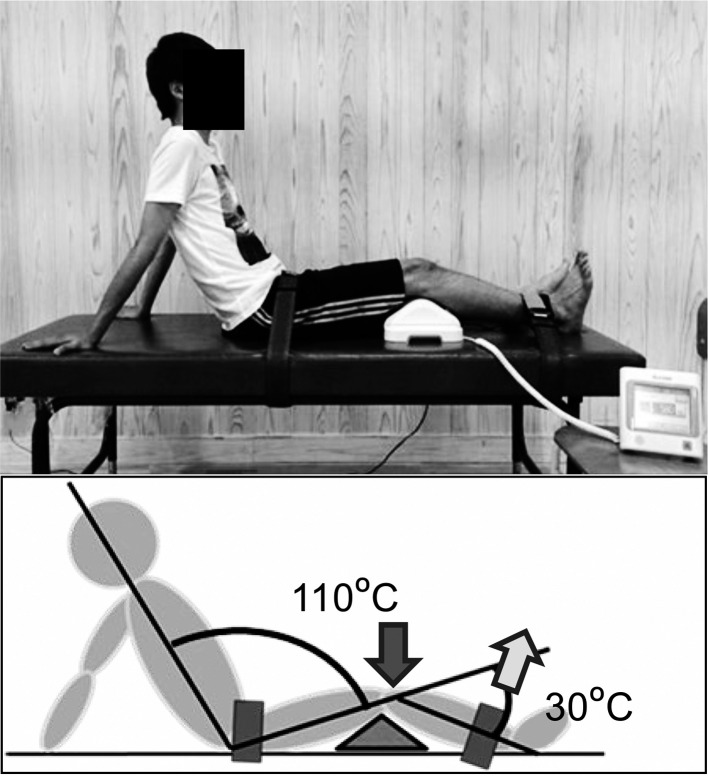
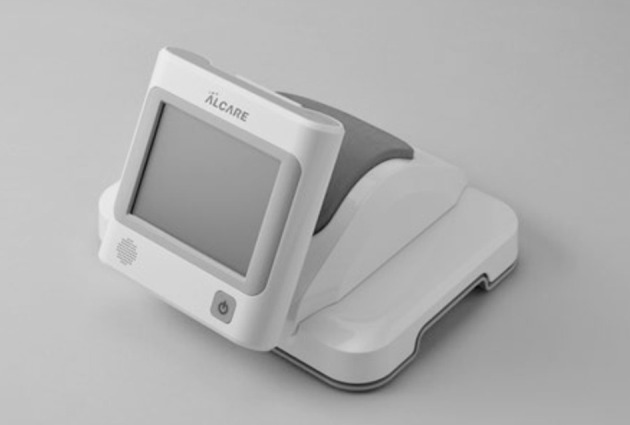
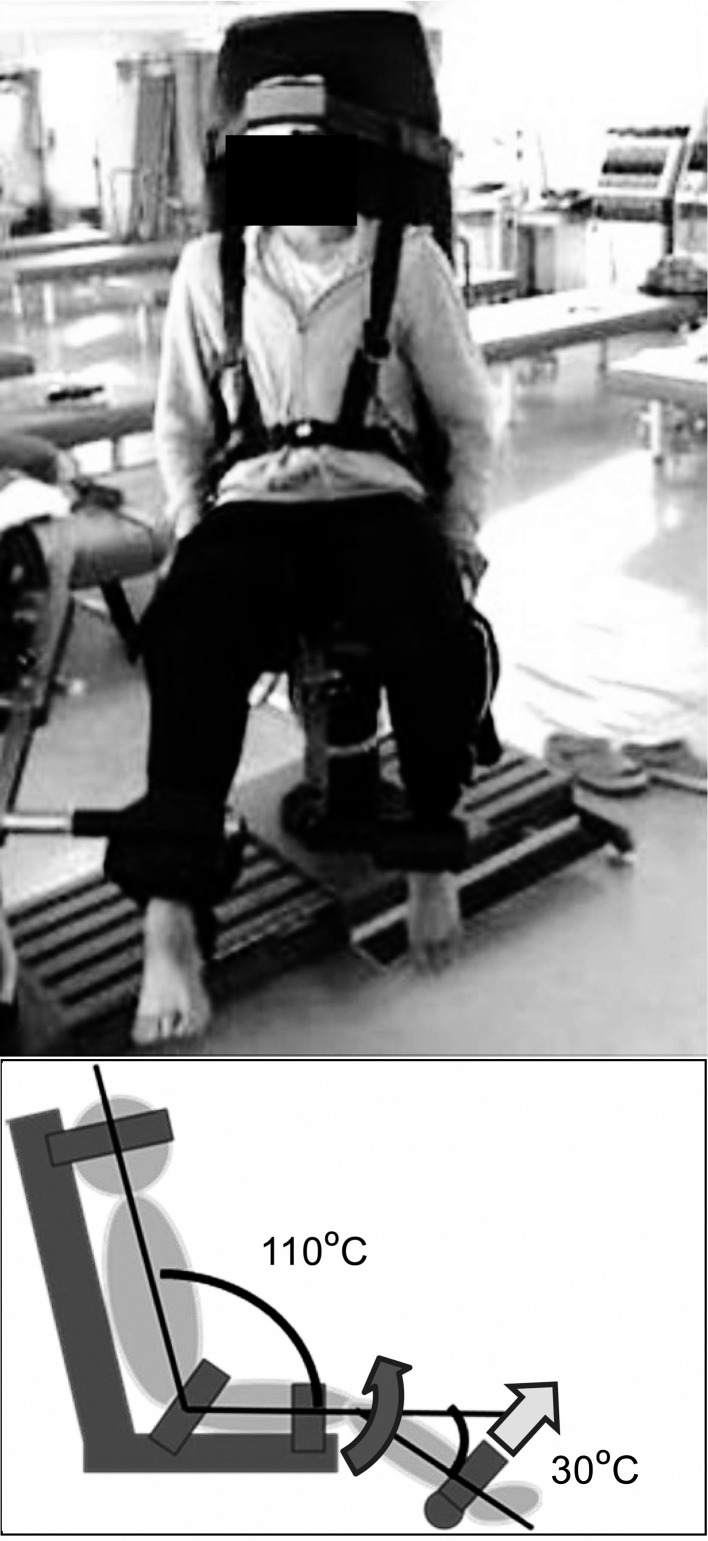
[Purpose] Quadriceps muscle strength is essential for daily living activities. Therefore, we developed a compact and simple lower limb muscle strength measuring device (LocomoScan [LCS]). This study aimed to compare LCS with other instruments to analyze its simplicity, reproducibility, and accuracy. [Participants and Methods] One hundred and four healthy university students (56 males and 48 females) were included in the study. The knee extension force was measured using LCS, and the knee extension torque was measured using other devices (Cybex). In addition, lower leg muscle mass was measured using a body composition meter. The reproducibility of LCS and the correlation between the knee extension torque and lower leg muscle mass were evaluated. [Results] The measurement reproducibility of LCS was significantly higher. The knee extension force confirmed the proportional relative reliability of Cybex with knee extension torque. A relationship between knee extension force and lower limb muscle mass was also observed, indicating that muscle mass cannot be estimated as muscle strength. [Conclusion] The high reproducibility of the knee extension force measurement using LCS demonstrates its potential as a portable alternative instrument for muscle strength measurement in clinical practice. Therefore, LCS device is a simple and effective tool for assessing muscle strength.



 京公网安备 11010802042870号
京ICP备2023020795号-1
京公网安备 11010802042870号
京ICP备2023020795号-1

 分享
分享
 求助内容:
求助内容: 应助结果提醒方式:
 扫码关注我们
