{"title":"Narrative review: evolution in device technology and advances in surgical techniques on AMS 800 device in the last 50 years.","authors":"Eric Chung","doi":"10.21037/tau-23-10","DOIUrl":null,"url":null,"abstract":"<p><strong>Background and objective: </strong>The current AMS 800 artificial urinary sphincter (AUS) device is designed to simulate the function of the biological urinary sphincter to prevent urinary flow through mucosal coaptation, compression, and pressure transmission. The challenges in designing the AMS 800 device involve not only the mechanical operation of the artificial sphincter device but also producing a device that is effective, safe, and durable for patients in the long term. The following article provides a narrative review regarding the evolution and development of the AMS 800 devices over the years and evaluates the advances in surgical techniques relating to AMS 800 implantation.</p><p><strong>Methods: </strong>Available literature pertaining to the AMS 800 device was reviewed from the MEDLINE and EMBASE databases between 1 January 2000 to 31 December 2022. Emphasis is placed on key scientific publications including previous reviews and clinical guidelines relevant to AMS 800 device(s) and surgical techniques.</p><p><strong>Key content and findings: </strong>From the engineering point of view, the current AMS 800 device is ingenious and has stood the test of time. The basic design of this modern AUS consists of 3 separate components namely a pressure regulating balloon (PRB), an inflatable cuff, and a control pump. Continued innovations in device design and technology, coupled with refinements in surgical techniques over the past 5 decades have ensured that the AMS 800 device is and remains the standard of care in male stress urinary incontinence. While the long-term AMS 800 efficacy, safety, and durability are well documented, it is not without its limitations and complications. Mechanical and non-mechanical complications can occur especially in high-risk populations (such as in radiated patients) despite strict adherence to surgical principles and manufacturer's guidelines.</p><p><strong>Conclusions: </strong>Continued innovations in device design, technology, and surgical techniques have ensured that the AMS 800 device is an effective and safe treatment for male stress urinary incontinence (SUI). Future directions in the treatment of male SUI likely reside in cellular regenerative therapy and nanotechnology to restore, replace, or simulate the damaged native urinary sphincter.</p>","PeriodicalId":23270,"journal":{"name":"Translational andrology and urology","volume":"13 8","pages":"1657-1665"},"PeriodicalIF":1.7000,"publicationDate":"2024-08-31","publicationTypes":"Journal Article","fieldsOfStudy":null,"isOpenAccess":false,"openAccessPdf":"https://www.ncbi.nlm.nih.gov/pmc/articles/PMC11399039/pdf/","citationCount":"0","resultStr":null,"platform":"Semanticscholar","paperid":null,"PeriodicalName":"Translational andrology and urology","FirstCategoryId":"3","ListUrlMain":"https://doi.org/10.21037/tau-23-10","RegionNum":3,"RegionCategory":"医学","ArticlePicture":[],"TitleCN":null,"AbstractTextCN":null,"PMCID":null,"EPubDate":"2024/4/26 0:00:00","PubModel":"Epub","JCR":"Q4","JCRName":"ANDROLOGY","Score":null,"Total":0}
引用次数: 0
Abstract
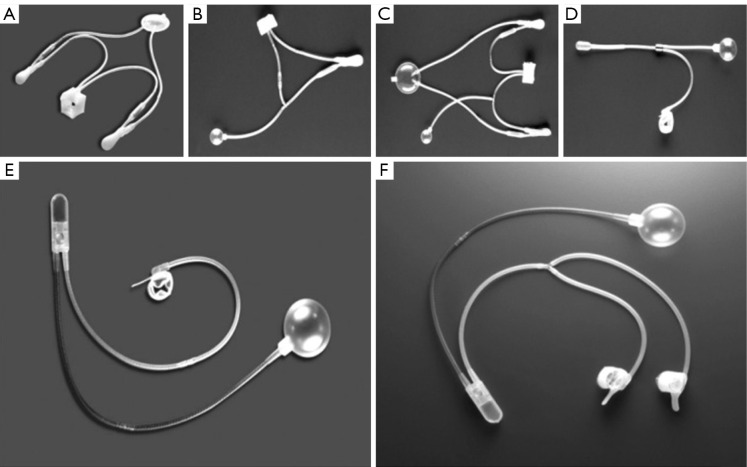
Background and objective: The current AMS 800 artificial urinary sphincter (AUS) device is designed to simulate the function of the biological urinary sphincter to prevent urinary flow through mucosal coaptation, compression, and pressure transmission. The challenges in designing the AMS 800 device involve not only the mechanical operation of the artificial sphincter device but also producing a device that is effective, safe, and durable for patients in the long term. The following article provides a narrative review regarding the evolution and development of the AMS 800 devices over the years and evaluates the advances in surgical techniques relating to AMS 800 implantation.
Methods: Available literature pertaining to the AMS 800 device was reviewed from the MEDLINE and EMBASE databases between 1 January 2000 to 31 December 2022. Emphasis is placed on key scientific publications including previous reviews and clinical guidelines relevant to AMS 800 device(s) and surgical techniques.
Key content and findings: From the engineering point of view, the current AMS 800 device is ingenious and has stood the test of time. The basic design of this modern AUS consists of 3 separate components namely a pressure regulating balloon (PRB), an inflatable cuff, and a control pump. Continued innovations in device design and technology, coupled with refinements in surgical techniques over the past 5 decades have ensured that the AMS 800 device is and remains the standard of care in male stress urinary incontinence. While the long-term AMS 800 efficacy, safety, and durability are well documented, it is not without its limitations and complications. Mechanical and non-mechanical complications can occur especially in high-risk populations (such as in radiated patients) despite strict adherence to surgical principles and manufacturer's guidelines.
Conclusions: Continued innovations in device design, technology, and surgical techniques have ensured that the AMS 800 device is an effective and safe treatment for male stress urinary incontinence (SUI). Future directions in the treatment of male SUI likely reside in cellular regenerative therapy and nanotechnology to restore, replace, or simulate the damaged native urinary sphincter.
期刊介绍:
ranslational Andrology and Urology (Print ISSN 2223-4683; Online ISSN 2223-4691; Transl Androl Urol; TAU) is an open access, peer-reviewed, bi-monthly journal (quarterly published from Mar.2012 - Dec. 2014). The main focus of the journal is to describe new findings in the field of translational research of Andrology and Urology, provides current and practical information on basic research and clinical investigations of Andrology and Urology. Specific areas of interest include, but not limited to, molecular study, pathology, biology and technical advances related to andrology and urology. Topics cover range from evaluation, prevention, diagnosis, therapy, prognosis, rehabilitation and future challenges to urology and andrology. Contributions pertinent to urology and andrology are also included from related fields such as public health, basic sciences, education, sociology, and nursing.




 京公网安备 11010802042870号
京ICP备2023020795号-1
京公网安备 11010802042870号
京ICP备2023020795号-1

 分享
分享
 求助内容:
求助内容: 应助结果提醒方式:
 扫码关注我们
