{"title":"Effects of dog ownership on children’s social-emotional development: findings from the PLAYCE cohort study","authors":"Emma K. Adams, Kevin Murray, Hayley E. Christian","doi":"10.1038/s41390-024-03721-3","DOIUrl":null,"url":null,"abstract":"Dog ownership is common in families with children and could play a role in children’s social-emotional development. This study used longitudinal data on dog ownership and changing dog ownership to investigate their effects on young children’s social-emotional development. Parents reported family dog ownership when their child was aged 2–5 years and at 5–7 years. Children (n = 591) were assigned to a dog ownership group by combining their current and prior dog ownership status. The parent-report Strengths and Difficulties Questionnaire (SDQ) measured children’s social-emotional development at 5–7 years. Analyses included linear, Poisson, and logistic regression and adjusted for socio-demographic factors. Girls who acquired a dog had significantly higher peer problems scores than non-dog owner girls (exp(β) = 1.8; 95% CI 1.3, 2.6). Boys who acquired a dog had significantly lower peer problems scores than continuing non-dog owner boys (exp(β) = 0.5; 95% CI 0.3, 0.8). There were no other significant effects observed between dog ownership group and SDQ scores or the odds of having abnormal scores. Overall, changing or continuing dog ownership status had minimal impact on young children’s social-emotional development. Future longitudinal research should examine the effects of dog ownership on child development by family characteristics and attachment to the dog.","PeriodicalId":19829,"journal":{"name":"Pediatric Research","volume":"99 2","pages":"544-550"},"PeriodicalIF":3.1000,"publicationDate":"2024-11-19","publicationTypes":"Journal Article","fieldsOfStudy":null,"isOpenAccess":false,"openAccessPdf":"","citationCount":"0","resultStr":null,"platform":"Semanticscholar","paperid":null,"PeriodicalName":"Pediatric Research","FirstCategoryId":"3","ListUrlMain":"https://www.nature.com/articles/s41390-024-03721-3","RegionNum":3,"RegionCategory":"医学","ArticlePicture":[],"TitleCN":null,"AbstractTextCN":null,"PMCID":null,"EPubDate":"","PubModel":"","JCR":"Q1","JCRName":"PEDIATRICS","Score":null,"Total":0}
引用次数: 0
Abstract
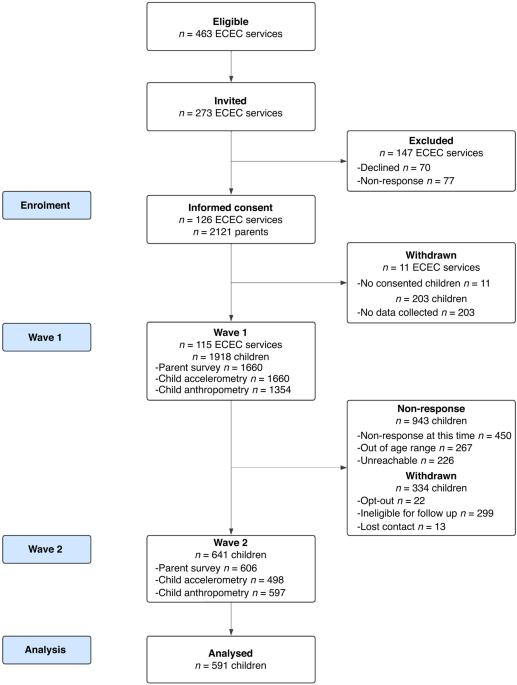
Dog ownership is common in families with children and could play a role in children’s social-emotional development. This study used longitudinal data on dog ownership and changing dog ownership to investigate their effects on young children’s social-emotional development. Parents reported family dog ownership when their child was aged 2–5 years and at 5–7 years. Children (n = 591) were assigned to a dog ownership group by combining their current and prior dog ownership status. The parent-report Strengths and Difficulties Questionnaire (SDQ) measured children’s social-emotional development at 5–7 years. Analyses included linear, Poisson, and logistic regression and adjusted for socio-demographic factors. Girls who acquired a dog had significantly higher peer problems scores than non-dog owner girls (exp(β) = 1.8; 95% CI 1.3, 2.6). Boys who acquired a dog had significantly lower peer problems scores than continuing non-dog owner boys (exp(β) = 0.5; 95% CI 0.3, 0.8). There were no other significant effects observed between dog ownership group and SDQ scores or the odds of having abnormal scores. Overall, changing or continuing dog ownership status had minimal impact on young children’s social-emotional development. Future longitudinal research should examine the effects of dog ownership on child development by family characteristics and attachment to the dog.
期刊介绍:
Pediatric Research publishes original papers, invited reviews, and commentaries on the etiologies of children''s diseases and
disorders of development, extending from molecular biology to epidemiology. Use of model organisms and in vitro techniques
relevant to developmental biology and medicine are acceptable, as are translational human studies



 京公网安备 11010802042870号
京ICP备2023020795号-1
京公网安备 11010802042870号
京ICP备2023020795号-1

 分享
分享
 求助内容:
求助内容: 应助结果提醒方式:
 扫码关注我们
