Genhua Mu, Rongliang Xu, Yiyun Wang, Chun Pan, Jianfeng Xie
{"title":"Inserting a VA-ECMO cannula through an inferior vena cava filter during extracorporeal cardiopulmonary resuscitation.","authors":"Genhua Mu, Rongliang Xu, Yiyun Wang, Chun Pan, Jianfeng Xie","doi":"10.1186/s12245-024-00789-w","DOIUrl":null,"url":null,"abstract":"<p><p>Venoarterial extracorporeal membrane oxygenation (VA-ECMO) has been utilized to treat massive pulmonary embolism (PE) accompanied by cardiac arrest or refractory cardiogenic shock. Our team opted for a femoral-femoral approach for vascular cannulation, using drainage and return cannulas in the common femoral vein and artery, respectively. However, femoral venous cannulation can be limited or challenging due to the presence of thrombus in the inferior vena cava (IVC), making the insertion of the drainage cannula via the femoral vein difficult. We present the case of a patient with massive PE who underwent aspiration thrombectomy and insertion of an IVC filter, followed by the initiation of VA-ECMO for cardiac arrest. We successfully inserted a femoral venous return ECMO cannula through the inferior vena cava filter during extracorporeal cardiopulmonary resuscitation. The patient stabilized with these interventions and ultimately achieved a favorable outcome with normal neurological status.</p>","PeriodicalId":13967,"journal":{"name":"International Journal of Emergency Medicine","volume":"17 1","pages":"188"},"PeriodicalIF":2.0000,"publicationDate":"2024-12-18","publicationTypes":"Journal Article","fieldsOfStudy":null,"isOpenAccess":false,"openAccessPdf":"https://www.ncbi.nlm.nih.gov/pmc/articles/PMC11653857/pdf/","citationCount":"0","resultStr":null,"platform":"Semanticscholar","paperid":null,"PeriodicalName":"International Journal of Emergency Medicine","FirstCategoryId":"1085","ListUrlMain":"https://doi.org/10.1186/s12245-024-00789-w","RegionNum":0,"RegionCategory":null,"ArticlePicture":[],"TitleCN":null,"AbstractTextCN":null,"PMCID":null,"EPubDate":"","PubModel":"","JCR":"Q2","JCRName":"EMERGENCY MEDICINE","Score":null,"Total":0}
引用次数: 0
Abstract
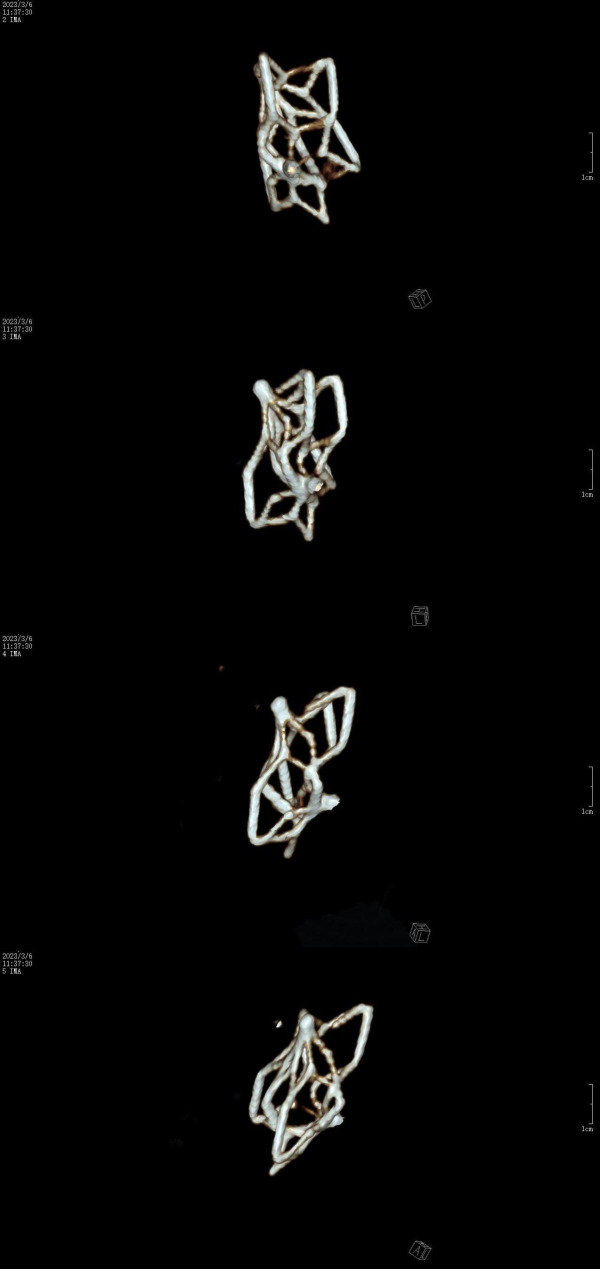
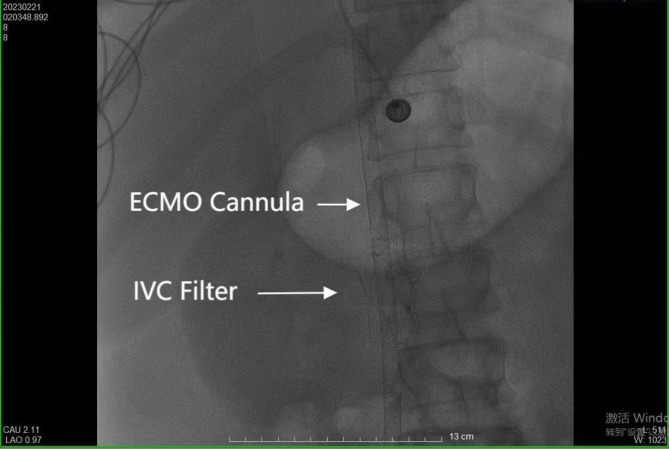
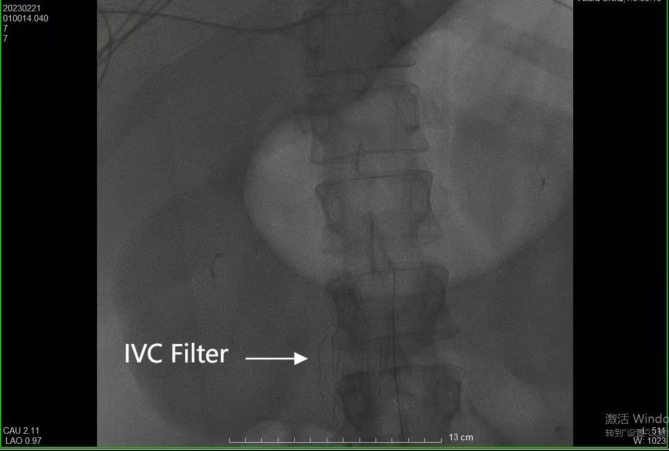
Venoarterial extracorporeal membrane oxygenation (VA-ECMO) has been utilized to treat massive pulmonary embolism (PE) accompanied by cardiac arrest or refractory cardiogenic shock. Our team opted for a femoral-femoral approach for vascular cannulation, using drainage and return cannulas in the common femoral vein and artery, respectively. However, femoral venous cannulation can be limited or challenging due to the presence of thrombus in the inferior vena cava (IVC), making the insertion of the drainage cannula via the femoral vein difficult. We present the case of a patient with massive PE who underwent aspiration thrombectomy and insertion of an IVC filter, followed by the initiation of VA-ECMO for cardiac arrest. We successfully inserted a femoral venous return ECMO cannula through the inferior vena cava filter during extracorporeal cardiopulmonary resuscitation. The patient stabilized with these interventions and ultimately achieved a favorable outcome with normal neurological status.
期刊介绍:
The aim of the journal is to bring to light the various clinical advancements and research developments attained over the world and thus help the specialty forge ahead. It is directed towards physicians and medical personnel undergoing training or working within the field of Emergency Medicine. Medical students who are interested in pursuing a career in Emergency Medicine will also benefit from the journal. This is particularly useful for trainees in countries where the specialty is still in its infancy. Disciplines covered will include interesting clinical cases, the latest evidence-based practice and research developments in Emergency medicine including emergency pediatrics.



 京公网安备 11010802042870号
京ICP备2023020795号-1
京公网安备 11010802042870号
京ICP备2023020795号-1

 分享
分享
 求助内容:
求助内容: 应助结果提醒方式:
 扫码关注我们
