{"title":"Effects of Foot Somatosensory Training on Plantar Somatosensory Function.","authors":"Junichi Suganuma, Yumi Ikeda, Kazuhiro Chidori","doi":"10.7759/cureus.76399","DOIUrl":null,"url":null,"abstract":"<p><p>Background Declines in foot somatosensory function can negatively impact balance and daily activities, particularly in older adults and individuals with neurological conditions. Despite this, effective physical therapeutic interventions to improve foot sensory function are limited. This study assessed the effects of targeted foot somatosensory training on plantar sensory function in healthy young adults. Methods Thirty-three healthy young adults (mean age 21.2 ± 0.7 years) were randomly assigned to one of three groups: (1) Discrimination group, (2) Attention group, or (3) Control group. The Discrimination group performed spatial attention tasks to identify weight positions on an instability board; the Attention group focused on timing tasks; and the Control group watched a video. Tactile pressure sensitivity and two-point discrimination of the plantar surface were measured before and after the intervention. Statistical analyses included Wilcoxon signed-rank tests and two-way repeated measures of analysis of variance (ANOVA). Results No significant differences were found in tactile pressure sensitivity. However, two-point discrimination thresholds for the big toe and the ball of the little toe were significantly reduced in the Discrimination group, indicating enhanced sensitivity. Conclusion Foot sensory training, particularly through discrimination tasks, may effectively improve plantar sensory function, suggesting potential clinical applications in individuals with sensory impairments.</p>","PeriodicalId":93960,"journal":{"name":"Cureus","volume":"16 12","pages":"e76399"},"PeriodicalIF":1.3000,"publicationDate":"2024-12-26","publicationTypes":"Journal Article","fieldsOfStudy":null,"isOpenAccess":false,"openAccessPdf":"https://www.ncbi.nlm.nih.gov/pmc/articles/PMC11671786/pdf/","citationCount":"0","resultStr":null,"platform":"Semanticscholar","paperid":null,"PeriodicalName":"Cureus","FirstCategoryId":"1085","ListUrlMain":"https://doi.org/10.7759/cureus.76399","RegionNum":0,"RegionCategory":null,"ArticlePicture":[],"TitleCN":null,"AbstractTextCN":null,"PMCID":null,"EPubDate":"2024/12/1 0:00:00","PubModel":"eCollection","JCR":"Q3","JCRName":"MEDICINE, GENERAL & INTERNAL","Score":null,"Total":0}
引用次数: 0
Abstract
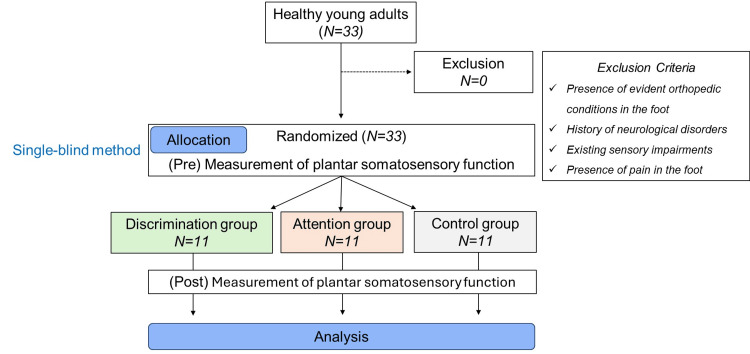
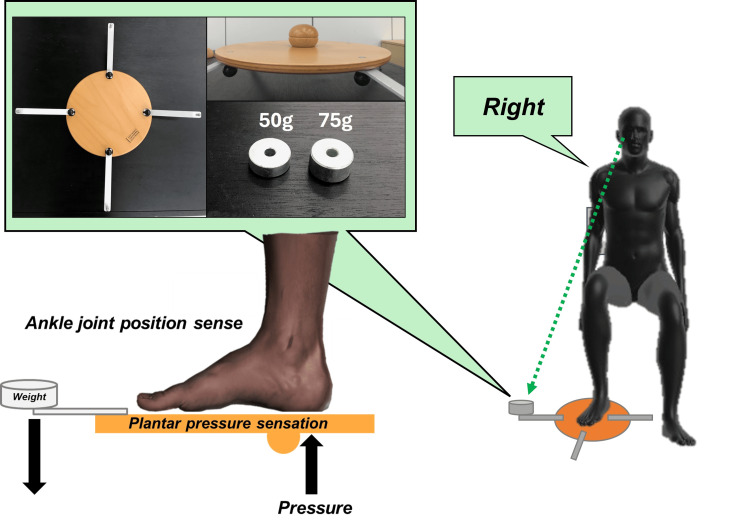
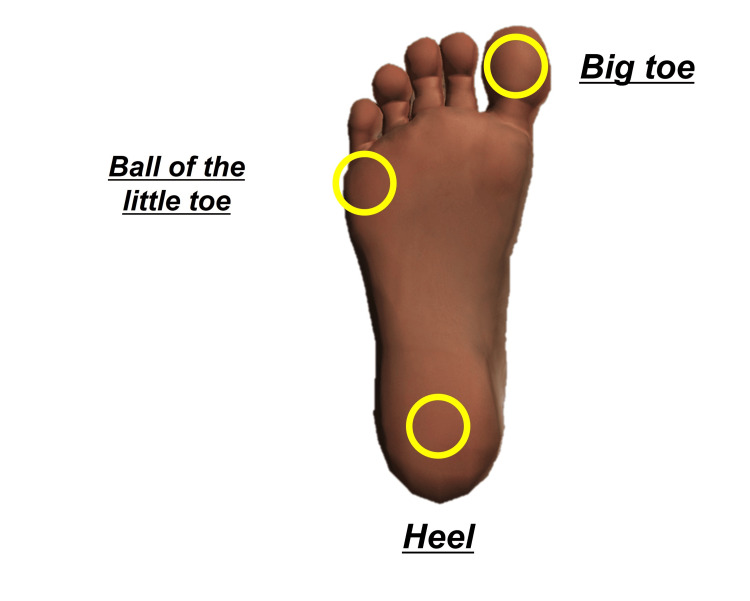
Background Declines in foot somatosensory function can negatively impact balance and daily activities, particularly in older adults and individuals with neurological conditions. Despite this, effective physical therapeutic interventions to improve foot sensory function are limited. This study assessed the effects of targeted foot somatosensory training on plantar sensory function in healthy young adults. Methods Thirty-three healthy young adults (mean age 21.2 ± 0.7 years) were randomly assigned to one of three groups: (1) Discrimination group, (2) Attention group, or (3) Control group. The Discrimination group performed spatial attention tasks to identify weight positions on an instability board; the Attention group focused on timing tasks; and the Control group watched a video. Tactile pressure sensitivity and two-point discrimination of the plantar surface were measured before and after the intervention. Statistical analyses included Wilcoxon signed-rank tests and two-way repeated measures of analysis of variance (ANOVA). Results No significant differences were found in tactile pressure sensitivity. However, two-point discrimination thresholds for the big toe and the ball of the little toe were significantly reduced in the Discrimination group, indicating enhanced sensitivity. Conclusion Foot sensory training, particularly through discrimination tasks, may effectively improve plantar sensory function, suggesting potential clinical applications in individuals with sensory impairments.



 京公网安备 11010802042870号
京ICP备2023020795号-1
京公网安备 11010802042870号
京ICP备2023020795号-1

 分享
分享

 求助内容:
求助内容: 应助结果提醒方式:
 扫码关注我们
