Modulation of Intestinal Inflammation and Protection of Dopaminergic Neurons in Parkinson's Disease Mice through a Probiotic Formulation Targeting NLRP3 Inflammasome.
{"title":"Modulation of Intestinal Inflammation and Protection of Dopaminergic Neurons in Parkinson's Disease Mice through a Probiotic Formulation Targeting NLRP3 Inflammasome.","authors":"Liping Zhou, Ka Ying Wong, Hongxiang Xie","doi":"10.1007/s11481-024-10163-5","DOIUrl":null,"url":null,"abstract":"<p><p>Emerging evidence highlights the significance of peripheral inflammation in the pathogenesis of Parkinson's disease (PD) and suggests the gut as a viable therapeutic target. This study aimed to explore the neuroprotective effects of the probiotic formulation VSL#3<sup>®</sup> and its underlying mechanism in a PD mouse model induced by MPTP. Following MPTP administration, the striatal levels of dopamine and its metabolites, as along with the survival rate of dopaminergic neurons in the substantia nigra, were significantly reduced in PD mice. MPTP also significantly increased the mRNA expression of pro-inflammatory cytokines TNF-α and IL-1β, while reducing anti-inflammation mediators, like glia cell line-derived neurotrophic factor (GDNF) and brain-derived neurotrophic factor (BDNF) in the striatum. These pathological changes were notably mitigated by VSL#3<sup>®</sup> treatment, suggesting its neuroprotective and anti-inflammatory effects in the brain. Additionally, VSL#3<sup>®</sup> significantly lowered the circulating levels of pro-inflammatory cytokines, and reduced TNF-α and IL-1β mRNA expression in the liver, indicating an inhibition of cytokine transfer. In the intestine, the probiotic treatment markedly decreased the mRNA expression of pro-inflammatory cytokines, (TNF-α, IL-1β, IL-6 and IL-17), and the other two key components of the NLRP3 inflammasome, caspase-1 and NLRP3, demonstrating an inhibition of VSL#3<sup>®</sup> on gut NLRP3 inflammasome. VSL#3<sup>®</sup> exerts neuroprotective effects in PD mice through the suppression of intestinal inflammation, particularly inhibiting the intestinal NLRP3 inflammasome. This study supports the therapeutic potential of targeting intestinal inflammation and utilizing probiotics in PD treatment.</p>","PeriodicalId":73858,"journal":{"name":"Journal of neuroimmune pharmacology : the official journal of the Society on NeuroImmune Pharmacology","volume":"20 1","pages":"9"},"PeriodicalIF":3.5000,"publicationDate":"2025-01-18","publicationTypes":"Journal Article","fieldsOfStudy":null,"isOpenAccess":false,"openAccessPdf":"https://www.ncbi.nlm.nih.gov/pmc/articles/PMC11742874/pdf/","citationCount":"0","resultStr":null,"platform":"Semanticscholar","paperid":null,"PeriodicalName":"Journal of neuroimmune pharmacology : the official journal of the Society on NeuroImmune Pharmacology","FirstCategoryId":"1085","ListUrlMain":"https://doi.org/10.1007/s11481-024-10163-5","RegionNum":0,"RegionCategory":null,"ArticlePicture":[],"TitleCN":null,"AbstractTextCN":null,"PMCID":null,"EPubDate":"","PubModel":"","JCR":"","JCRName":"","Score":null,"Total":0}
引用次数: 0
Abstract
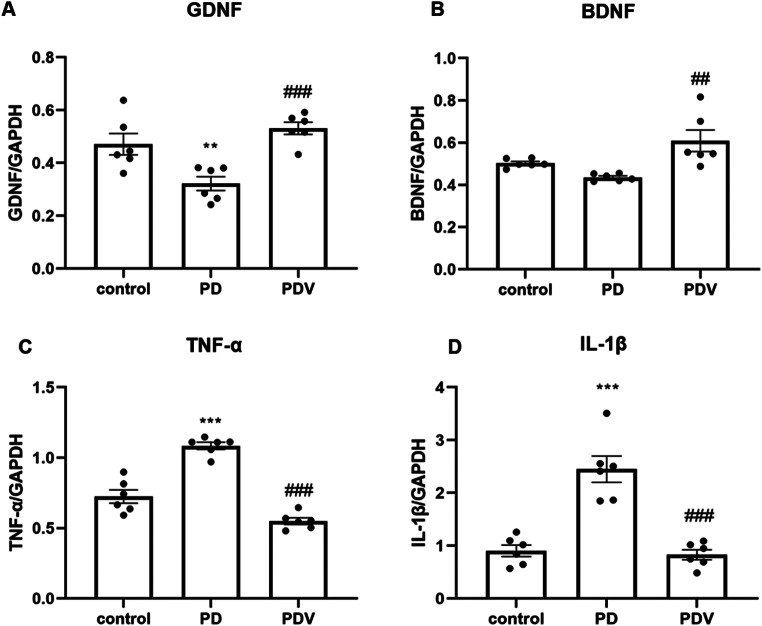
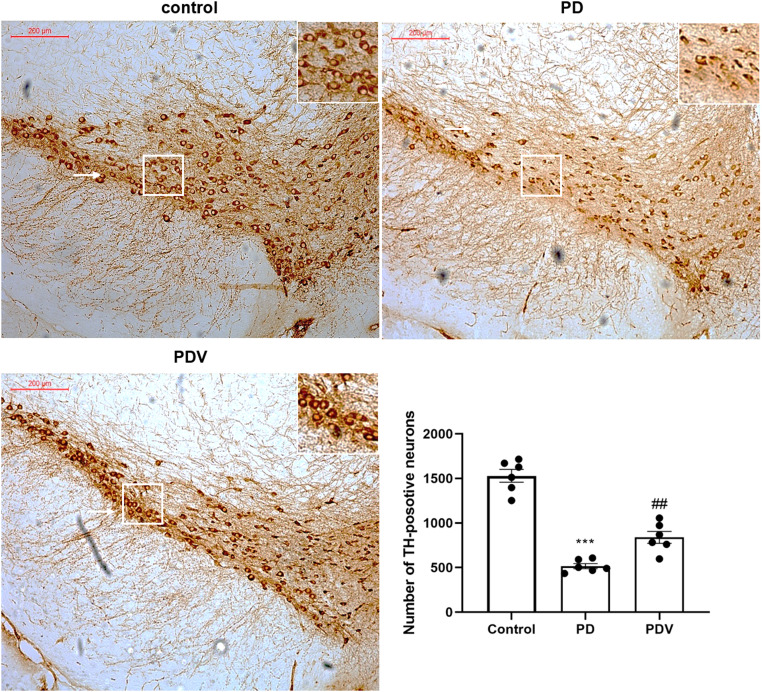
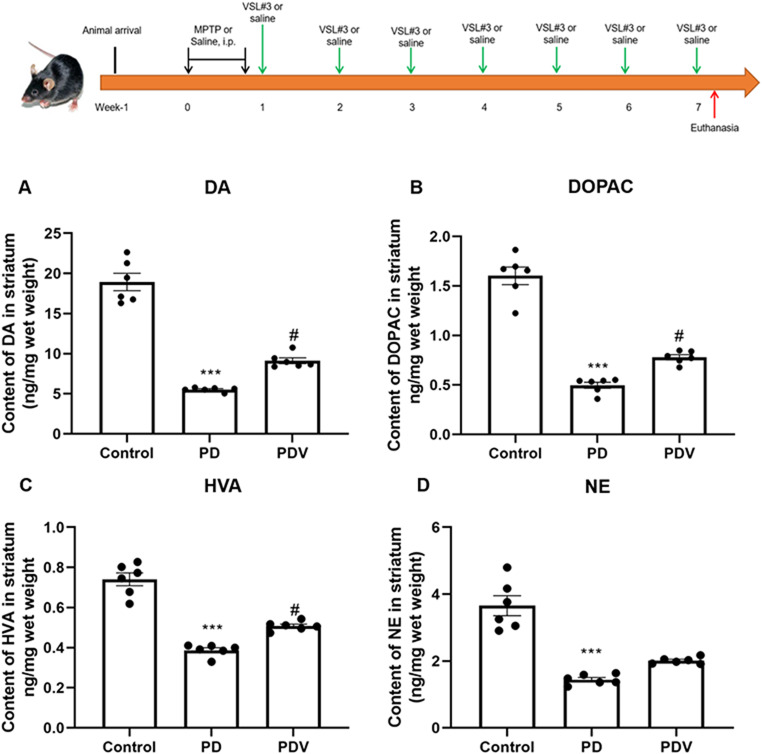
Emerging evidence highlights the significance of peripheral inflammation in the pathogenesis of Parkinson's disease (PD) and suggests the gut as a viable therapeutic target. This study aimed to explore the neuroprotective effects of the probiotic formulation VSL#3® and its underlying mechanism in a PD mouse model induced by MPTP. Following MPTP administration, the striatal levels of dopamine and its metabolites, as along with the survival rate of dopaminergic neurons in the substantia nigra, were significantly reduced in PD mice. MPTP also significantly increased the mRNA expression of pro-inflammatory cytokines TNF-α and IL-1β, while reducing anti-inflammation mediators, like glia cell line-derived neurotrophic factor (GDNF) and brain-derived neurotrophic factor (BDNF) in the striatum. These pathological changes were notably mitigated by VSL#3® treatment, suggesting its neuroprotective and anti-inflammatory effects in the brain. Additionally, VSL#3® significantly lowered the circulating levels of pro-inflammatory cytokines, and reduced TNF-α and IL-1β mRNA expression in the liver, indicating an inhibition of cytokine transfer. In the intestine, the probiotic treatment markedly decreased the mRNA expression of pro-inflammatory cytokines, (TNF-α, IL-1β, IL-6 and IL-17), and the other two key components of the NLRP3 inflammasome, caspase-1 and NLRP3, demonstrating an inhibition of VSL#3® on gut NLRP3 inflammasome. VSL#3® exerts neuroprotective effects in PD mice through the suppression of intestinal inflammation, particularly inhibiting the intestinal NLRP3 inflammasome. This study supports the therapeutic potential of targeting intestinal inflammation and utilizing probiotics in PD treatment.



 京公网安备 11010802042870号
京ICP备2023020795号-1
京公网安备 11010802042870号
京ICP备2023020795号-1

 分享
分享

 求助内容:
求助内容: 应助结果提醒方式:
 扫码关注我们
