Hosna Sarani, Mohsen Taheri, Danial Jahantigh, Mohammad Reza Keramati, Seyed Mehdi Hashemi, Gholamreza Bahari, Saba Taheri
{"title":"New Genetic Variations in RNA-binding Protein Gene and Breast Cancer Risk: A Case-Control Study.","authors":"Hosna Sarani, Mohsen Taheri, Danial Jahantigh, Mohammad Reza Keramati, Seyed Mehdi Hashemi, Gholamreza Bahari, Saba Taheri","doi":"10.31557/APJCP.2025.26.1.137","DOIUrl":null,"url":null,"abstract":"<p><strong>Background: </strong>LIN28, a highly conserved RNA-binding protein, regulate a wide variety of post-transcriptional cellular processes. The current study aimed to identify genetic variants of five single nucleotide polymorphisms (SNPs) in the LIN28B gene (rs221634, rs22163, rs314276, rs9404590, and rs12194974) and their association with Breast cancer.</p><p><strong>Method: </strong>220 patients and 230 controls were genotyped by the RFLP assay for Lin28B gene variants. Odds ratio analysis was used to determine the association between Lin28B variants and breast cancer. Haplotype analysis was performed to determine the combined impact of the investigated variants on BC. Novel in-silico analysis were performed to predict the potential functions of these polymorphisms, as well.</p><p><strong>Results: </strong>Patients carrying all variant genotypes for lin28B rs221634 (codominant, dominant, recessive, and allelic inheritance models), rs221635 (codominant and dominant genotypes), and rs9404590 (codominant, dominant, and inheritance model). Significant associations between reduced cancer risk and rs12194974 and rs314276 were found in codominant, dominant, recessive, and allele inheritance models. According to haplotype analysis of rs9404590, rs12194974, rs314276, rs221634, and rs221635 SNPs ,the GGCTT, GGCAT, TGCAC, TGCTC, GGCAC, GGCTC, and GGAAC haplotypes are associated with an increased risk of BC, whereas the TACAT and TAAAT haplotypes were associated with a decreased risk of BC. The splicing enhancers (ESE) binding site was found to be altered by the SNPs rs9404590, rs12194974, and rs314276, according to in-silico analysis.</p><p><strong>Conclusion: </strong>Breast cancer susceptibility appears to be linked to genetic variations in the Lin28B gene, and haplotypes in this region have been linked to increased risk.</p>","PeriodicalId":55451,"journal":{"name":"Asian Pacific Journal of Cancer Prevention","volume":"26 1","pages":"137-145"},"PeriodicalIF":0.0000,"publicationDate":"2025-01-01","publicationTypes":"Journal Article","fieldsOfStudy":null,"isOpenAccess":false,"openAccessPdf":"https://www.ncbi.nlm.nih.gov/pmc/articles/PMC12082397/pdf/","citationCount":"0","resultStr":null,"platform":"Semanticscholar","paperid":null,"PeriodicalName":"Asian Pacific Journal of Cancer Prevention","FirstCategoryId":"1085","ListUrlMain":"https://doi.org/10.31557/APJCP.2025.26.1.137","RegionNum":0,"RegionCategory":null,"ArticlePicture":[],"TitleCN":null,"AbstractTextCN":null,"PMCID":null,"EPubDate":"","PubModel":"","JCR":"Q2","JCRName":"Medicine","Score":null,"Total":0}
引用次数: 0
Abstract
Background: LIN28, a highly conserved RNA-binding protein, regulate a wide variety of post-transcriptional cellular processes. The current study aimed to identify genetic variants of five single nucleotide polymorphisms (SNPs) in the LIN28B gene (rs221634, rs22163, rs314276, rs9404590, and rs12194974) and their association with Breast cancer.
Method: 220 patients and 230 controls were genotyped by the RFLP assay for Lin28B gene variants. Odds ratio analysis was used to determine the association between Lin28B variants and breast cancer. Haplotype analysis was performed to determine the combined impact of the investigated variants on BC. Novel in-silico analysis were performed to predict the potential functions of these polymorphisms, as well.
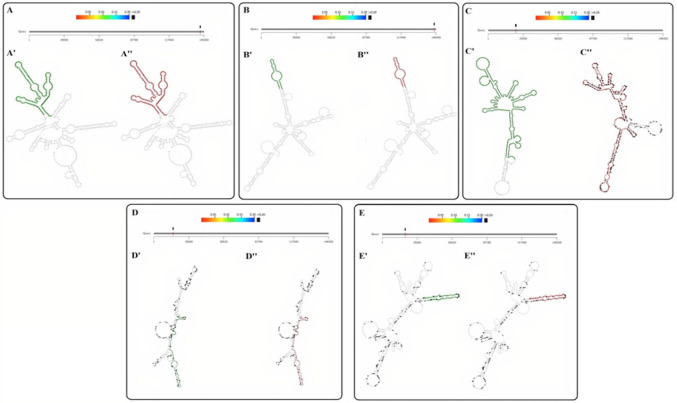
Results: Patients carrying all variant genotypes for lin28B rs221634 (codominant, dominant, recessive, and allelic inheritance models), rs221635 (codominant and dominant genotypes), and rs9404590 (codominant, dominant, and inheritance model). Significant associations between reduced cancer risk and rs12194974 and rs314276 were found in codominant, dominant, recessive, and allele inheritance models. According to haplotype analysis of rs9404590, rs12194974, rs314276, rs221634, and rs221635 SNPs ,the GGCTT, GGCAT, TGCAC, TGCTC, GGCAC, GGCTC, and GGAAC haplotypes are associated with an increased risk of BC, whereas the TACAT and TAAAT haplotypes were associated with a decreased risk of BC. The splicing enhancers (ESE) binding site was found to be altered by the SNPs rs9404590, rs12194974, and rs314276, according to in-silico analysis.
Conclusion: Breast cancer susceptibility appears to be linked to genetic variations in the Lin28B gene, and haplotypes in this region have been linked to increased risk.
期刊介绍:
Cancer is a very complex disease. While many aspects of carcinoge-nesis and oncogenesis are known, cancer control and prevention at the community level is however still in its infancy. Much more work needs to be done and many more steps need to be taken before effective strategies are developed. The multidisciplinary approaches and efforts to understand and control cancer in an effective and efficient manner, require highly trained scientists in all branches of the cancer sciences, from cellular and molecular aspects to patient care and palliation.
The Asia Pacific Organization for Cancer Prevention (APOCP) and its official publication, the Asia Pacific Journal of Cancer Prevention (APJCP), have served the community of cancer scientists very well and intends to continue to serve in this capacity to the best of its abilities. One of the objectives of the APOCP is to provide all relevant and current scientific information on the whole spectrum of cancer sciences. They aim to do this by providing a forum for communication and propagation of original and innovative research findings that have relevance to understanding the etiology, progression, treatment, and survival of patients, through their journal. The APJCP with its distinguished, diverse, and Asia-wide team of editors, reviewers, and readers, ensure the highest standards of research communication within the cancer sciences community across Asia as well as globally.
The APJCP publishes original research results under the following categories:
-Epidemiology, detection and screening.
-Cellular research and bio-markers.
-Identification of bio-targets and agents with novel mechanisms of action.
-Optimal clinical use of existing anti-cancer agents, including combination therapies.
-Radiation and surgery.
-Palliative care.
-Patient adherence, quality of life, satisfaction.
-Health economic evaluations.






 京公网安备 11010802042870号
京ICP备2023020795号-1
京公网安备 11010802042870号
京ICP备2023020795号-1

 分享
分享
 求助内容:
求助内容: 应助结果提醒方式:
 扫码关注我们
