Model-informed repurposing of eliglustat for treatment and prophylaxis of Shiga toxin-producing Escherichia coli hemolytic-uremic syndrome (STEC-HUS) in children.
David F G J Wolthuis, Jolien J M Freriksen, Mendy Ter Avest, Reena V Kartha, Saskia N de Wildt, Kioa Wijnsma, Nicole C A J van de Kar, Rob Ter Heine
{"title":"Model-informed repurposing of eliglustat for treatment and prophylaxis of Shiga toxin-producing Escherichia coli hemolytic-uremic syndrome (STEC-HUS) in children.","authors":"David F G J Wolthuis, Jolien J M Freriksen, Mendy Ter Avest, Reena V Kartha, Saskia N de Wildt, Kioa Wijnsma, Nicole C A J van de Kar, Rob Ter Heine","doi":"10.1007/s00467-025-06688-3","DOIUrl":null,"url":null,"abstract":"<p><strong>Background: </strong>Shiga toxin-producing Escherichia coli hemolytic-uremic syndrome (STEC-HUS) is a severe illness predominantly affecting young children, with limited treatment options beyond supportive care. Eliglustat, approved for Gaucher disease, shows potential in reducing Shiga toxin binding to target glomerular endothelial cells in vitro, prompting interest as a treatment for STEC-HUS. However, it remains unknown what dose is likely to be effective and safe for treatment of STEC-HUS in the pediatric population. We hypothesize that effective and safe levels of eliglustat can be reached in children.</p><p><strong>Methods: </strong>We identified pharmacokinetic targets of efficacy for treatment and prophylaxis of STEC-HUS based on a preclinical model and human cardiac safety data. Then, we developed oral and intravenous dosing regimens using population pharmacokinetic (popPK) simulations based on an existing model enriched to allow extrapolation to a simulated virtual pediatric population. These dosing regimens were then confirmed using a verified physiologically based pharmacokinetic (PBPK) model.</p><p><strong>Results: </strong>We simulated, using popPK data, oral and intravenous dosing regimens resulting in adequate target exposure in > 90% of all patients, with minimal expected risk for cardiotoxicity. Confirmation of these dosing regimens with PBPK modeling resulted in very similar exposure, with lower interindividual variability and minimal toxicity potential.</p><p><strong>Conclusions: </strong>Based on pharmacokinetic modeling, we developed oral and intravenous eliglustat dosing regimens that are likely safe and effective for treatment of STEC-HUS and prophylaxis in case of outbreaks of STEC infections. Clinical evaluation of these dosing regimens in children suspected of or diagnosed with STEC-HUS is required and should include assessment of pharmacokinetics, efficacy, and safety (e.g., ECG monitoring).</p>","PeriodicalId":19735,"journal":{"name":"Pediatric Nephrology","volume":" ","pages":"2009-2019"},"PeriodicalIF":2.6000,"publicationDate":"2025-06-01","publicationTypes":"Journal Article","fieldsOfStudy":null,"isOpenAccess":false,"openAccessPdf":"https://www.ncbi.nlm.nih.gov/pmc/articles/PMC12031897/pdf/","citationCount":"0","resultStr":null,"platform":"Semanticscholar","paperid":null,"PeriodicalName":"Pediatric Nephrology","FirstCategoryId":"3","ListUrlMain":"https://doi.org/10.1007/s00467-025-06688-3","RegionNum":3,"RegionCategory":"医学","ArticlePicture":[],"TitleCN":null,"AbstractTextCN":null,"PMCID":null,"EPubDate":"2025/2/3 0:00:00","PubModel":"Epub","JCR":"Q1","JCRName":"PEDIATRICS","Score":null,"Total":0}
引用次数: 0
Abstract
Background: Shiga toxin-producing Escherichia coli hemolytic-uremic syndrome (STEC-HUS) is a severe illness predominantly affecting young children, with limited treatment options beyond supportive care. Eliglustat, approved for Gaucher disease, shows potential in reducing Shiga toxin binding to target glomerular endothelial cells in vitro, prompting interest as a treatment for STEC-HUS. However, it remains unknown what dose is likely to be effective and safe for treatment of STEC-HUS in the pediatric population. We hypothesize that effective and safe levels of eliglustat can be reached in children.
Methods: We identified pharmacokinetic targets of efficacy for treatment and prophylaxis of STEC-HUS based on a preclinical model and human cardiac safety data. Then, we developed oral and intravenous dosing regimens using population pharmacokinetic (popPK) simulations based on an existing model enriched to allow extrapolation to a simulated virtual pediatric population. These dosing regimens were then confirmed using a verified physiologically based pharmacokinetic (PBPK) model.
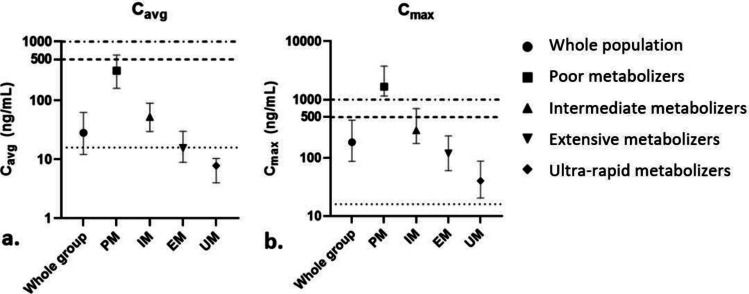
Results: We simulated, using popPK data, oral and intravenous dosing regimens resulting in adequate target exposure in > 90% of all patients, with minimal expected risk for cardiotoxicity. Confirmation of these dosing regimens with PBPK modeling resulted in very similar exposure, with lower interindividual variability and minimal toxicity potential.
Conclusions: Based on pharmacokinetic modeling, we developed oral and intravenous eliglustat dosing regimens that are likely safe and effective for treatment of STEC-HUS and prophylaxis in case of outbreaks of STEC infections. Clinical evaluation of these dosing regimens in children suspected of or diagnosed with STEC-HUS is required and should include assessment of pharmacokinetics, efficacy, and safety (e.g., ECG monitoring).
期刊介绍:
International Pediatric Nephrology Association
Pediatric Nephrology publishes original clinical research related to acute and chronic diseases that affect renal function, blood pressure, and fluid and electrolyte disorders in children. Studies may involve medical, surgical, nutritional, physiologic, biochemical, genetic, pathologic or immunologic aspects of disease, imaging techniques or consequences of acute or chronic kidney disease. There are 12 issues per year that contain Editorial Commentaries, Reviews, Educational Reviews, Original Articles, Brief Reports, Rapid Communications, Clinical Quizzes, and Letters to the Editors.





 京公网安备 11010802042870号
京ICP备2023020795号-1
京公网安备 11010802042870号
京ICP备2023020795号-1

 分享
分享
 求助内容:
求助内容: 应助结果提醒方式:
 扫码关注我们
