Shimaa Hosny, Mostafa E. Elshobary, Mostafa M. El-Sheekh
{"title":"Unleashing the power of microalgae: a pioneering path to sustainability and achieving the sustainable development goals","authors":"Shimaa Hosny, Mostafa E. Elshobary, Mostafa M. El-Sheekh","doi":"10.1007/s11356-025-35885-8","DOIUrl":null,"url":null,"abstract":"<div><p>This study explores the remarkable potential of algae in addressing global sustainability challenges. Microalgae, in particular, emerge as sustainability champions. Their applications span an impressive array of industries and processes, including food and feed production, biofuels, cosmetics, pharmaceuticals, and environmental remediation. This versatility positions algae as key players in achieving over 50% of UN Sustainable Development Goals (SDGs) simultaneously, addressing issues such as climate action, clean water and sanitation, affordable and clean energy, and zero hunger. From sequestering carbon, purifying wastewater, and producing clean energy to combating malnutrition, algae demonstrates unparalleled potential. Their ability to flourish in extreme conditions and their rapid growth rates further enhance their appeal for large-scale cultivation. As research advances, innovative applications continue to emerge, such as algae-based bioplastics and dye-sensitized solar cells, promising novel solutions to pressing global issues. This study illuminates how harnessing the power of algae can drive us towards a more resilient, sustainable world. By leveraging algae’s multifaceted capabilities, we can tackle climate change, resource scarcity, and economic development concurrently. The research highlights the critical role of algae in promoting circular economy principles and achieving a harmonious balance between human needs and environmental preservation, paving the way for a greener, more sustainable future.</p></div>","PeriodicalId":545,"journal":{"name":"Environmental Science and Pollution Research","volume":"32 29","pages":"17312 - 17342"},"PeriodicalIF":5.8000,"publicationDate":"2025-02-08","publicationTypes":"Journal Article","fieldsOfStudy":null,"isOpenAccess":false,"openAccessPdf":"https://www.ncbi.nlm.nih.gov/pmc/articles/PMC12325554/pdf/","citationCount":"0","resultStr":null,"platform":"Semanticscholar","paperid":null,"PeriodicalName":"Environmental Science and Pollution Research","FirstCategoryId":"93","ListUrlMain":"https://link.springer.com/article/10.1007/s11356-025-35885-8","RegionNum":3,"RegionCategory":"环境科学与生态学","ArticlePicture":[],"TitleCN":null,"AbstractTextCN":null,"PMCID":null,"EPubDate":"","PubModel":"","JCR":"0","JCRName":"ENVIRONMENTAL SCIENCES","Score":null,"Total":0}
引用次数: 0
Abstract
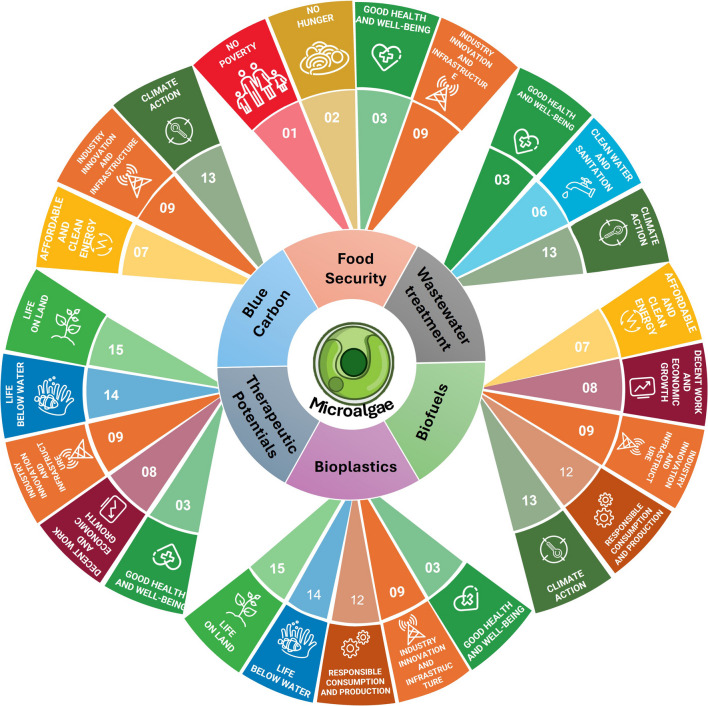
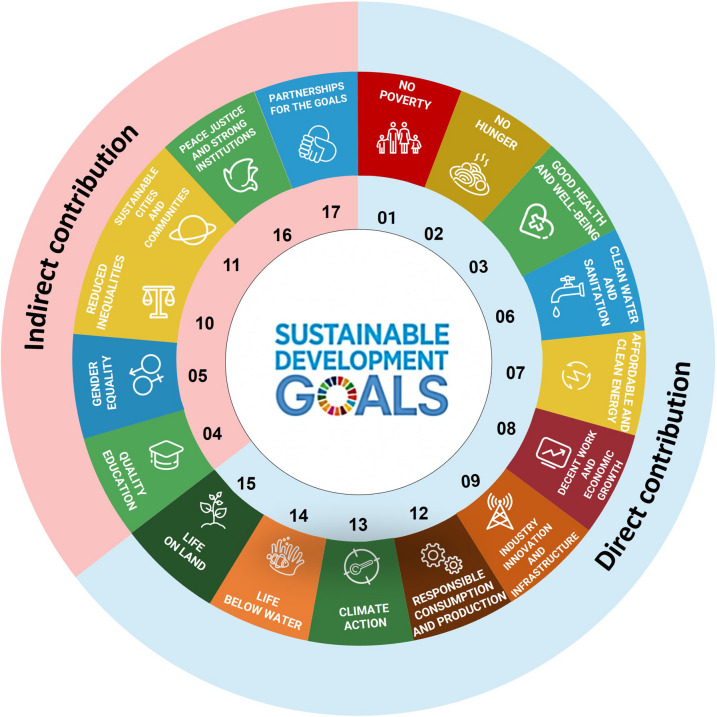
This study explores the remarkable potential of algae in addressing global sustainability challenges. Microalgae, in particular, emerge as sustainability champions. Their applications span an impressive array of industries and processes, including food and feed production, biofuels, cosmetics, pharmaceuticals, and environmental remediation. This versatility positions algae as key players in achieving over 50% of UN Sustainable Development Goals (SDGs) simultaneously, addressing issues such as climate action, clean water and sanitation, affordable and clean energy, and zero hunger. From sequestering carbon, purifying wastewater, and producing clean energy to combating malnutrition, algae demonstrates unparalleled potential. Their ability to flourish in extreme conditions and their rapid growth rates further enhance their appeal for large-scale cultivation. As research advances, innovative applications continue to emerge, such as algae-based bioplastics and dye-sensitized solar cells, promising novel solutions to pressing global issues. This study illuminates how harnessing the power of algae can drive us towards a more resilient, sustainable world. By leveraging algae’s multifaceted capabilities, we can tackle climate change, resource scarcity, and economic development concurrently. The research highlights the critical role of algae in promoting circular economy principles and achieving a harmonious balance between human needs and environmental preservation, paving the way for a greener, more sustainable future.
期刊介绍:
Environmental Science and Pollution Research (ESPR) serves the international community in all areas of Environmental Science and related subjects with emphasis on chemical compounds. This includes:
- Terrestrial Biology and Ecology
- Aquatic Biology and Ecology
- Atmospheric Chemistry
- Environmental Microbiology/Biobased Energy Sources
- Phytoremediation and Ecosystem Restoration
- Environmental Analyses and Monitoring
- Assessment of Risks and Interactions of Pollutants in the Environment
- Conservation Biology and Sustainable Agriculture
- Impact of Chemicals/Pollutants on Human and Animal Health
It reports from a broad interdisciplinary outlook.






 京公网安备 11010802042870号
京ICP备2023020795号-1
京公网安备 11010802042870号
京ICP备2023020795号-1

 分享
分享
 求助内容:
求助内容: 应助结果提醒方式:
 扫码关注我们
