Understanding Drug Interactions in Antiplatelet Therapy for Atherosclerotic Vascular Disease: A Systematic Review

IF 5 1区 医学 Q1 NEUROSCIENCES CNS Neuroscience & Therapeutics Pub Date : 2025-02-09 DOI:10.1111/cns.70258
Xiangqian Huang, Jiahao Song, Xiaoming Zhang, Mengqi Wang, Yuchuan Ding, Xunming Ji, Da Zhou, Ran Meng
{"title":"Understanding Drug Interactions in Antiplatelet Therapy for Atherosclerotic Vascular Disease: A Systematic Review","authors":"Xiangqian Huang,&nbsp;Jiahao Song,&nbsp;Xiaoming Zhang,&nbsp;Mengqi Wang,&nbsp;Yuchuan Ding,&nbsp;Xunming Ji,&nbsp;Da Zhou,&nbsp;Ran Meng","doi":"10.1111/cns.70258","DOIUrl":null,"url":null,"abstract":"<div>\n \n \n <section>\n \n <h3> Background</h3>\n \n <p>Antiplatelet drugs are a cornerstone in managing atherosclerotic vascular disease (ASVD). However, their interactions with other medications present significant challenges to treatment efficacy and safety. Patients with ASVD often require multiple treatment regimens due to complex comorbidities, which increases the risk of drug–drug interactions (DDIs). These interactions can lead to drug resistance, reduced therapeutic outcomes, or adverse effects. A thorough understanding of DDIs is crucial for optimizing patient care.</p>\n </section>\n \n <section>\n \n <h3> Aims</h3>\n \n <p>This review aims to explore the clinical significance. mechanisms, and implications of DDIs in antiplatelet therapy Additionally, it seeks to identify future research directions to advance personalized treatment strategies and improve therapeutic outcomes.</p>\n </section>\n \n <section>\n \n <h3> Materials and Methods</h3>\n \n <p>A systematic literature review was conducted using key databases, focusing on clinical studies, mechanistic research, and guidelines related to antiplatelet therapy and DDIs. Findings were analyzed to identify common interaction patterns, associated risks, and management strategies.</p>\n </section>\n \n <section>\n \n <h3> Results</h3>\n \n <p>The review identifies common DDIs involving antiplatelet drugs, particularly with anticoagulants, nonsteroidal anti-inflammatory drugs, and proton pump inhibitors. These interactions primarily occur through pharmacokinetic mechanisms, such as alterations in drug metabolism via cytochrome P450 enzymes, and pharmacodynamic mechanisms, including synergistic or antagonistic effects on platelet inhibition. Clinically, DDIs can increase bleeding risk, reduce antiplatelet efficacy, and contribute to adverse cardiovascular outcomes. Strategies to mitigate these risks include individualized drug selection, dose adjustments, genetic testing, and therapeutic drug monitoring.</p>\n </section>\n \n <section>\n \n <h3> Discussion</h3>\n \n <p>Effective management of DDIs in antiplatelet therapy is essential to improve clinical outcomes. A patient-specific approach, considering comorbidities, genetic predispositions, and concurrent medications, is crucial. The review categorizes DDIs based on clinical settings and underscores the need for further research on predictive biomarkers, pharmacogenomics, and advanced monitoring techniques.</p>\n </section>\n \n <section>\n \n <h3> Conclusion</h3>\n \n <p>DDIs significantly impact the effectiveness and safety of antiplatelet therapy, necessitating a comprehensive understanding of their mechanisms and clinical implications. Future research should focus on developing personalized treatment approaches, integrating genetic testing, and optimizing pharmacological monitoring to minimize risks and improve therapeutic outcomes. This review provides a foundation for advancing clinical practice and enhancing the management of patients with ASVD.</p>\n </section>\n </div>","PeriodicalId":154,"journal":{"name":"CNS Neuroscience & Therapeutics","volume":"31 2","pages":""},"PeriodicalIF":5.0000,"publicationDate":"2025-02-09","publicationTypes":"Journal Article","fieldsOfStudy":null,"isOpenAccess":false,"openAccessPdf":"https://onlinelibrary.wiley.com/doi/epdf/10.1111/cns.70258","citationCount":"0","resultStr":null,"platform":"Semanticscholar","paperid":null,"PeriodicalName":"CNS Neuroscience & Therapeutics","FirstCategoryId":"3","ListUrlMain":"https://onlinelibrary.wiley.com/doi/10.1111/cns.70258","RegionNum":1,"RegionCategory":"医学","ArticlePicture":[],"TitleCN":null,"AbstractTextCN":null,"PMCID":null,"EPubDate":"","PubModel":"","JCR":"Q1","JCRName":"NEUROSCIENCES","Score":null,"Total":0}
引用次数: 0

Abstract

Background

Antiplatelet drugs are a cornerstone in managing atherosclerotic vascular disease (ASVD). However, their interactions with other medications present significant challenges to treatment efficacy and safety. Patients with ASVD often require multiple treatment regimens due to complex comorbidities, which increases the risk of drug–drug interactions (DDIs). These interactions can lead to drug resistance, reduced therapeutic outcomes, or adverse effects. A thorough understanding of DDIs is crucial for optimizing patient care.

Aims

This review aims to explore the clinical significance. mechanisms, and implications of DDIs in antiplatelet therapy Additionally, it seeks to identify future research directions to advance personalized treatment strategies and improve therapeutic outcomes.

Materials and Methods

A systematic literature review was conducted using key databases, focusing on clinical studies, mechanistic research, and guidelines related to antiplatelet therapy and DDIs. Findings were analyzed to identify common interaction patterns, associated risks, and management strategies.

Results

The review identifies common DDIs involving antiplatelet drugs, particularly with anticoagulants, nonsteroidal anti-inflammatory drugs, and proton pump inhibitors. These interactions primarily occur through pharmacokinetic mechanisms, such as alterations in drug metabolism via cytochrome P450 enzymes, and pharmacodynamic mechanisms, including synergistic or antagonistic effects on platelet inhibition. Clinically, DDIs can increase bleeding risk, reduce antiplatelet efficacy, and contribute to adverse cardiovascular outcomes. Strategies to mitigate these risks include individualized drug selection, dose adjustments, genetic testing, and therapeutic drug monitoring.

Discussion

Effective management of DDIs in antiplatelet therapy is essential to improve clinical outcomes. A patient-specific approach, considering comorbidities, genetic predispositions, and concurrent medications, is crucial. The review categorizes DDIs based on clinical settings and underscores the need for further research on predictive biomarkers, pharmacogenomics, and advanced monitoring techniques.

Conclusion

DDIs significantly impact the effectiveness and safety of antiplatelet therapy, necessitating a comprehensive understanding of their mechanisms and clinical implications. Future research should focus on developing personalized treatment approaches, integrating genetic testing, and optimizing pharmacological monitoring to minimize risks and improve therapeutic outcomes. This review provides a foundation for advancing clinical practice and enhancing the management of patients with ASVD.
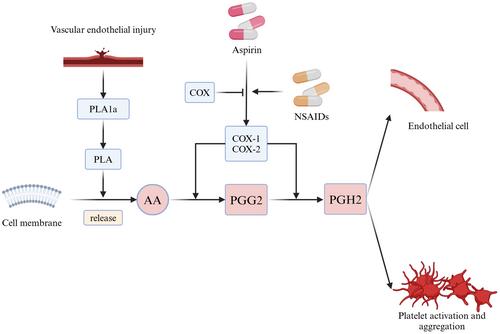
Abstract Image

查看原文
分享 分享
微信好友 朋友圈 QQ好友 复制链接
本刊更多论文
了解抗血小板治疗动脉粥样硬化性血管疾病的药物相互作用:一项系统综述
背景抗血小板药物是治疗动脉粥样硬化性血管疾病(ASVD)的基础。然而,它们与其他药物的相互作用对治疗效果和安全性提出了重大挑战。由于复杂的合并症,ASVD患者通常需要多种治疗方案,这增加了药物-药物相互作用(ddi)的风险。这些相互作用可导致耐药性、治疗效果降低或不良反应。全面了解ddi对于优化患者护理至关重要。目的探讨其临床意义。此外,它还寻求确定未来的研究方向,以推进个性化治疗策略和改善治疗效果。材料与方法利用重点数据库对抗血小板治疗和ddi相关的临床研究、机制研究和指南进行系统的文献综述。对结果进行分析,以确定共同的交互模式、相关风险和管理策略。结果本综述确定了常见的ddi涉及抗血小板药物,特别是抗凝血药、非甾体抗炎药和质子泵抑制剂。这些相互作用主要通过药代动力学机制发生,如通过细胞色素P450酶改变药物代谢,以及药效学机制,包括对血小板抑制的协同或拮抗作用。临床上,ddi可增加出血风险,降低抗血小板疗效,并导致不良心血管结局。减轻这些风险的策略包括个体化药物选择、剂量调整、基因检测和治疗药物监测。抗血小板治疗中ddi的有效管理对提高临床疗效至关重要。考虑合并症、遗传易感性和同时用药的患者特异性方法至关重要。这篇综述基于临床环境对ddi进行了分类,并强调需要进一步研究预测性生物标志物、药物基因组学和先进的监测技术。结论ddi显著影响抗血小板治疗的有效性和安全性,有必要全面了解其机制和临床意义。未来的研究应侧重于开发个性化的治疗方法,整合基因检测,优化药理学监测,以最大限度地降低风险,提高治疗效果。本文综述为推进ASVD患者的临床实践和加强ASVD患者的管理提供了基础。
本文章由计算机程序翻译,如有差异,请以英文原文为准。
求助全文
约1分钟内获得全文 去求助
来源期刊
CNS Neuroscience & Therapeutics
CNS Neuroscience & Therapeutics 医学-神经科学
CiteScore
7.30
自引率
12.70%
发文量
240
审稿时长
2 months
期刊介绍: CNS Neuroscience & Therapeutics provides a medium for rapid publication of original clinical, experimental, and translational research papers, timely reviews and reports of novel findings of therapeutic relevance to the central nervous system, as well as papers related to clinical pharmacology, drug development and novel methodologies for drug evaluation. The journal focuses on neurological and psychiatric diseases such as stroke, Parkinson’s disease, Alzheimer’s disease, depression, schizophrenia, epilepsy, and drug abuse.
期刊最新文献
Rapamycin Reduces Amyloid-β Plaques and Improves Behavioral Performance in a Sex-Dependent Manner in Mouse Models of Amyloidosis. Association Between Renal Dysfunction and Cerebral Small Vessel Disease: A Prospective Cohort Study From the UK Biobank Commentary on Gut Microbiome–Metabolome Alterations in Advanced Parkinson's Disease With Motor Complications Chidamide Is Screened to Suppress Epileptogenesis in Mice Models via Blocking Histone Deacetylase 1 Linking Cortical Morphometry in Self-Limited Epilepsy With Centrotemporal Spikes to Cognition, Function, and Molecular Architecture
×
引用
GB/T 7714-2015
复制
MLA
复制
APA
复制
导出至
BibTeX EndNote RefMan NoteFirst NoteExpress
×
×
提示
您的信息不完整,为了账户安全,请先补充。
现在去补充
×
提示
您因"违规操作"
具体请查看互助需知
我知道了
×
提示
现在去查看 取消
×
提示
确定
0
微信
客服QQ
Book学术公众号 扫码关注我们
反馈
×
意见反馈
请填写您的意见或建议
请填写您的手机或邮箱
已复制链接
已复制链接
快去分享给好友吧!
我知道了
×
扫码分享
扫码分享
Book学术官方微信
Book学术文献互助
Book学术文献互助群
群 号:604180095
Book学术
文献互助 智能选刊 最新文献 互助须知 联系我们:info@booksci.cn
Book学术提供免费学术资源搜索服务,方便国内外学者检索中英文文献。致力于提供最便捷和优质的服务体验。
Copyright © 2023 Book学术 All rights reserved.
ghs 京公网安备 11010802042870号 京ICP备2023020795号-1





