Mohammed F Farooqi, Maria Khan, Arshad M Muhammad, Adnan Agha
{"title":"Portal vein thrombosis in a patient on semaglutide.","authors":"Mohammed F Farooqi, Maria Khan, Arshad M Muhammad, Adnan Agha","doi":"10.5339/qmj.2024.75","DOIUrl":null,"url":null,"abstract":"<p><p><b>Background:</b> Obesity and type 2 diabetes mellitus (T2DM) are modern-day pandemics that have a significant impact on global healthcare. The glucagon-like peptide-1 receptor agonist (GLP1-RA) semaglutide is a novel treatment for both tbl2DM and obesity, but can be associated with an increased risk of venous thromboembolism. <b>Case presentation:</b> This case report describes a 59-year-old woman with tbl2DM who received semaglutide to manage glycemic levels, and also experienced the additional benefit of weight reduction. Within six months of initiating GLP1-RA, the patient experienced low back pain associated with nausea and poor oral intake. She had no known risk factors for venous thromboembolism or thrombophilia and had no history of significant illness in her family. Her physical examination revealed no significant findings. Only mild leukocytosis and neutrophilia were noted. She underwent an abdominal computed tomography scan, which revealed intrahepatic portal vein thrombosis without evidence of liver cirrhosis or abdominal malignancy. Her symptoms improved with oral anticoagulation (rivaroxaban). The result of thrombophilia examination was negative for inherited or acquired thrombophilia, except for a Janus kinase 2 mutation, which may increase the risk of thrombosis. <b>Conclusions:</b> The use of GLP1-RA is increasing due to the growing desire for weight loss medications. Therefore, it is important that physicians better understand the possible risks of thrombosis before initiating GLP1-RA treatment.</p>","PeriodicalId":53667,"journal":{"name":"Qatar Medical Journal","volume":"2024 4","pages":"75"},"PeriodicalIF":0.0000,"publicationDate":"2024-12-31","publicationTypes":"Journal Article","fieldsOfStudy":null,"isOpenAccess":false,"openAccessPdf":"https://www.ncbi.nlm.nih.gov/pmc/articles/PMC11806721/pdf/","citationCount":"0","resultStr":null,"platform":"Semanticscholar","paperid":null,"PeriodicalName":"Qatar Medical Journal","FirstCategoryId":"1085","ListUrlMain":"https://doi.org/10.5339/qmj.2024.75","RegionNum":0,"RegionCategory":null,"ArticlePicture":[],"TitleCN":null,"AbstractTextCN":null,"PMCID":null,"EPubDate":"2024/1/1 0:00:00","PubModel":"eCollection","JCR":"Q3","JCRName":"Medicine","Score":null,"Total":0}
引用次数: 0
Abstract
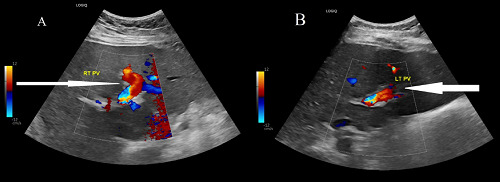
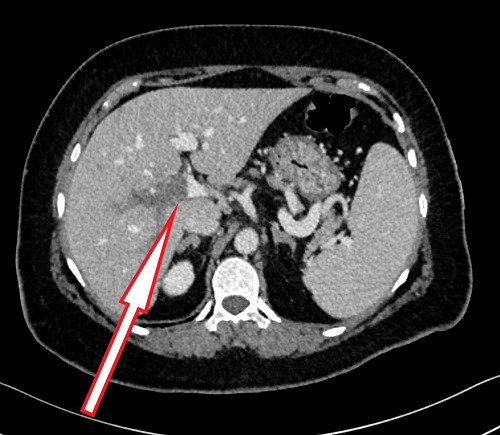
Background: Obesity and type 2 diabetes mellitus (T2DM) are modern-day pandemics that have a significant impact on global healthcare. The glucagon-like peptide-1 receptor agonist (GLP1-RA) semaglutide is a novel treatment for both tbl2DM and obesity, but can be associated with an increased risk of venous thromboembolism. Case presentation: This case report describes a 59-year-old woman with tbl2DM who received semaglutide to manage glycemic levels, and also experienced the additional benefit of weight reduction. Within six months of initiating GLP1-RA, the patient experienced low back pain associated with nausea and poor oral intake. She had no known risk factors for venous thromboembolism or thrombophilia and had no history of significant illness in her family. Her physical examination revealed no significant findings. Only mild leukocytosis and neutrophilia were noted. She underwent an abdominal computed tomography scan, which revealed intrahepatic portal vein thrombosis without evidence of liver cirrhosis or abdominal malignancy. Her symptoms improved with oral anticoagulation (rivaroxaban). The result of thrombophilia examination was negative for inherited or acquired thrombophilia, except for a Janus kinase 2 mutation, which may increase the risk of thrombosis. Conclusions: The use of GLP1-RA is increasing due to the growing desire for weight loss medications. Therefore, it is important that physicians better understand the possible risks of thrombosis before initiating GLP1-RA treatment.





 京公网安备 11010802042870号
京ICP备2023020795号-1
京公网安备 11010802042870号
京ICP备2023020795号-1

 分享
分享
 求助内容:
求助内容: 应助结果提醒方式:
 扫码关注我们
