{"title":"Comparative study of peripheral intravenous catheter insertions with capillary, notched, and a grooved needle flashback design.","authors":"Nancy Moureau, Lois Kaufman","doi":"10.1177/11297298241313414","DOIUrl":null,"url":null,"abstract":"<p><p>Evidence of the costly effects of first-attempt peripheral intravenous catheter (PIVC) insertion failures continues to mount. This study was conducted to determine if a unique catheter design can improve operative error, promote PIVC first-stick success and reduce the costs of first-attempt failures. In Phase One of this comparative simulation use in vitro study, 16 nurses from acute care hospitals inserted four PIVC types into a training model, each type characterized by distinct timing of flashback occurrence and needle design. Each nurse performed three attempts per catheter type (12 total per inserter). Insertions were video-recorded and analyzed for the effect of the needle on a vessel during insertion, double punctures and catheter placement failure or success. In Phase Two, 100 nurses and 25 purchasing agents nationwide identified items used and associated costs for PIVC insertions. In Phase One, nurses using a grooved needle flashback with a thin-tipped needle were 20% more successful with catheter placement than those using a notched needle flashback and 22% more successful than those placing a capillary flashback design. Catheter placement success with a grooved needle flashback was 15% higher than with a capillary flashback and 13% higher than with a notched needle flashback. Double punctures were highest among nurses using a capillary flashback catheter, and catheter placement failure was highest among nurses using notched needle flashback. In Phase Two, nurses reported an average of 51% first-attempt success. The authors calculated the estimated annual cost of first-stick failure to be $US 35,919.15 per nurse, including labor and materials used in the second and third attempts. In this study, the authors found the insertion technique with grooved flashback needle design reduced operative error, double punctures and improved first-attempt success. This flashback needle design could significantly improve patient outcomes, speed time to treatment and reduce hospital costs.</p>","PeriodicalId":56113,"journal":{"name":"Journal of Vascular Access","volume":" ","pages":"151-161"},"PeriodicalIF":1.7000,"publicationDate":"2026-01-01","publicationTypes":"Journal Article","fieldsOfStudy":null,"isOpenAccess":false,"openAccessPdf":"https://www.ncbi.nlm.nih.gov/pmc/articles/PMC12812175/pdf/","citationCount":"0","resultStr":null,"platform":"Semanticscholar","paperid":null,"PeriodicalName":"Journal of Vascular Access","FirstCategoryId":"3","ListUrlMain":"https://doi.org/10.1177/11297298241313414","RegionNum":3,"RegionCategory":"医学","ArticlePicture":[],"TitleCN":null,"AbstractTextCN":null,"PMCID":null,"EPubDate":"2025/2/17 0:00:00","PubModel":"Epub","JCR":"Q3","JCRName":"PERIPHERAL VASCULAR DISEASE","Score":null,"Total":0}
引用次数: 0
Abstract
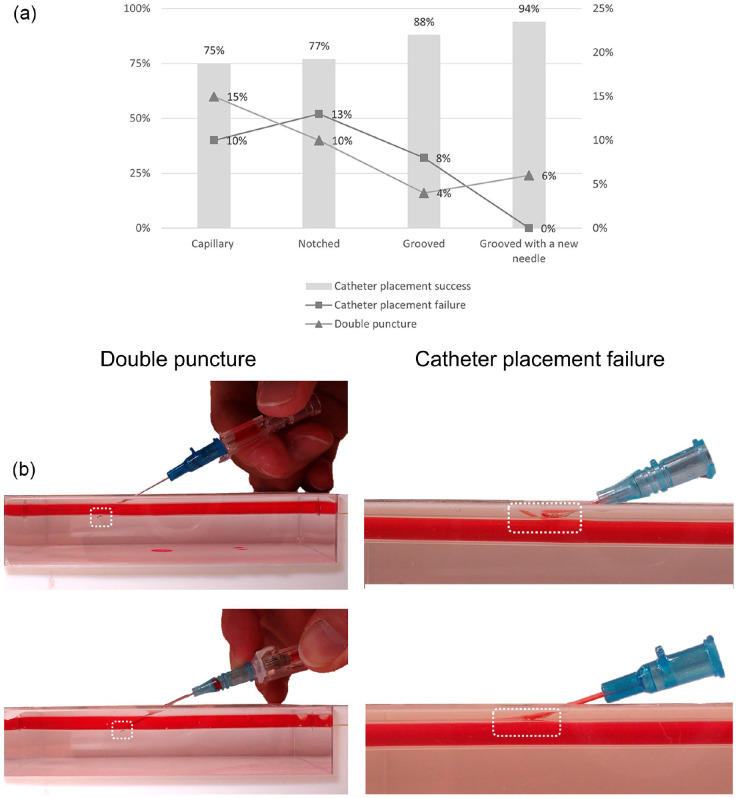
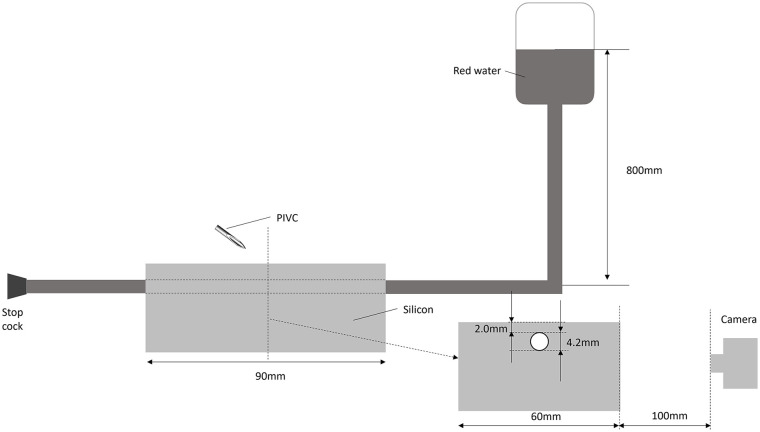
Evidence of the costly effects of first-attempt peripheral intravenous catheter (PIVC) insertion failures continues to mount. This study was conducted to determine if a unique catheter design can improve operative error, promote PIVC first-stick success and reduce the costs of first-attempt failures. In Phase One of this comparative simulation use in vitro study, 16 nurses from acute care hospitals inserted four PIVC types into a training model, each type characterized by distinct timing of flashback occurrence and needle design. Each nurse performed three attempts per catheter type (12 total per inserter). Insertions were video-recorded and analyzed for the effect of the needle on a vessel during insertion, double punctures and catheter placement failure or success. In Phase Two, 100 nurses and 25 purchasing agents nationwide identified items used and associated costs for PIVC insertions. In Phase One, nurses using a grooved needle flashback with a thin-tipped needle were 20% more successful with catheter placement than those using a notched needle flashback and 22% more successful than those placing a capillary flashback design. Catheter placement success with a grooved needle flashback was 15% higher than with a capillary flashback and 13% higher than with a notched needle flashback. Double punctures were highest among nurses using a capillary flashback catheter, and catheter placement failure was highest among nurses using notched needle flashback. In Phase Two, nurses reported an average of 51% first-attempt success. The authors calculated the estimated annual cost of first-stick failure to be $US 35,919.15 per nurse, including labor and materials used in the second and third attempts. In this study, the authors found the insertion technique with grooved flashback needle design reduced operative error, double punctures and improved first-attempt success. This flashback needle design could significantly improve patient outcomes, speed time to treatment and reduce hospital costs.
期刊介绍:
The Journal of Vascular Access (JVA) is issued six times per year; it considers the publication of original manuscripts dealing with clinical and laboratory investigations in the fast growing field of vascular access. In addition reviews, case reports and clinical trials are welcome, as well as papers dedicated to more practical aspects covering new devices and techniques.
All contributions, coming from all over the world, undergo the peer-review process.
The Journal of Vascular Access is divided into independent sections, each led by Editors of the highest scientific level:
• Dialysis
• Oncology
• Interventional radiology
• Nutrition
• Nursing
• Intensive care
Correspondence related to published papers is also welcome.






 京公网安备 11010802042870号
京ICP备2023020795号-1
京公网安备 11010802042870号
京ICP备2023020795号-1

 分享
分享
 求助内容:
求助内容: 应助结果提醒方式:
 扫码关注我们
