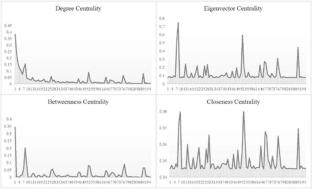
Social networks significantly influence MSM’s HIV prevention behaviors, with virtual communities serving as key interaction platforms. Using a Python web crawler, we analyzed 960 user profiles from Baidu Tieba’s “Gay Bar” forum. The social network within this community exhibits a core-periphery structure, where a densely connected core facilitates effective information dissemination, while the majority of users reside in peripheral positions with limited and isolated connections. Relationships within the network are primarily formed based on shared interests rather than geographical proximity, fostering homophilous interactions that enhance peer support and community cohesion. Despite the fragmented nature of peripheral connections, the tightly knit core enables the strategic targeting of key individuals to optimize the spread of health-related information and interventions. These findings highlight the importance of leveraging the network’s core structure to implement efficient and inclusive public health strategies, ensuring that resources reach all members of the MSM community effectively. In addition, interest-based connections are essential in promoting a fair and supportive virtual environment, which is essential to address stigma and promote broad participation in HIV prevention.



 京公网安备 11010802042870号
京ICP备2023020795号-1
京公网安备 11010802042870号
京ICP备2023020795号-1

 分享
分享
 求助内容:
求助内容: 应助结果提醒方式:
 扫码关注我们
