{"title":"YouTube as a Source of Information for Dietary Guidance and Advisory Content in the Management of Non-Alcoholic Fatty Liver Disease.","authors":"Kagan Tur","doi":"10.3390/healthcare13040351","DOIUrl":null,"url":null,"abstract":"<p><p><b>Background/Objectives</b>: Fatty liver disease (FLD), particularly non-alcoholic fatty liver disease (NAFLD), is a growing global health concern that underscores the need for effective dietary management strategies. With over 25% of patients seeking dietary advice through platforms like YouTube, the quality and reliability of this information remain critical. However, the disparity in educational value and engagement metrics between professional and non-professional content remains underexplored. This study evaluates YouTube's role in disseminating dietary advice for FLD management, focusing on content reliability, engagement metrics, and the educational value of videos. <b>Methods</b>: This cross-sectional study systematically analyzed 183 YouTube videos on FLD and dietary advice. Videos were selected based on relevance, English language, and non-promotional content. Scoring systems, including DISCERN, Global Quality Score (GQS), and the Video Information and Quality Index (VIQI), were employed to assess reliability, quality, and educational value. Engagement metrics such as views, likes, dislikes, and interaction rates were analyzed across uploader categories, including healthcare professionals, patients, and undefined sources. <b>Results</b>: Videos uploaded by healthcare professionals demonstrated significantly higher DISCERN scores (4.2 ± 0.8) and GQS ratings (4.1 ± 0.6) compared to patient-generated content (DISCERN: 2.8 ± 0.9; GQS: 3.0 ± 0.7). However, patient-generated videos achieved higher engagement rates, with median views reaching 340,000 (IQR: 15,000-1,000,000) compared to 450,050 (IQR: 23,000-1,800,000) for professional videos. Nutritional recommendations spanned diverse approaches, including low-carb diets, Mediterranean diets, and guidance to avoid processed foods and sugars. A significant proportion of videos lacked evidence-based content, particularly among non-professional uploads. <b>Conclusions</b>: YouTube represents a widely accessed but inconsistent source of dietary advice for FLD. While healthcare professional videos exhibit higher reliability and educational value, patient-generated content achieves broader engagement, revealing a critical gap in trusted, accessible dietary guidance. These findings highlight the need for clinicians and content creators to collaborate in curating and disseminating evidence-based content, ensuring patients receive accurate, actionable advice for managing FLD.</p>","PeriodicalId":12977,"journal":{"name":"Healthcare","volume":"13 4","pages":""},"PeriodicalIF":2.7000,"publicationDate":"2025-02-07","publicationTypes":"Journal Article","fieldsOfStudy":null,"isOpenAccess":false,"openAccessPdf":"https://www.ncbi.nlm.nih.gov/pmc/articles/PMC11855884/pdf/","citationCount":"0","resultStr":null,"platform":"Semanticscholar","paperid":null,"PeriodicalName":"Healthcare","FirstCategoryId":"3","ListUrlMain":"https://doi.org/10.3390/healthcare13040351","RegionNum":4,"RegionCategory":"医学","ArticlePicture":[],"TitleCN":null,"AbstractTextCN":null,"PMCID":null,"EPubDate":"","PubModel":"","JCR":"Q2","JCRName":"HEALTH CARE SCIENCES & SERVICES","Score":null,"Total":0}
引用次数: 0
Abstract
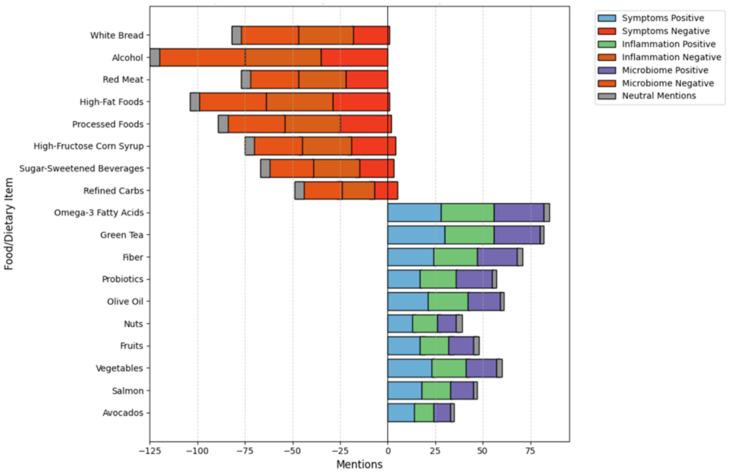
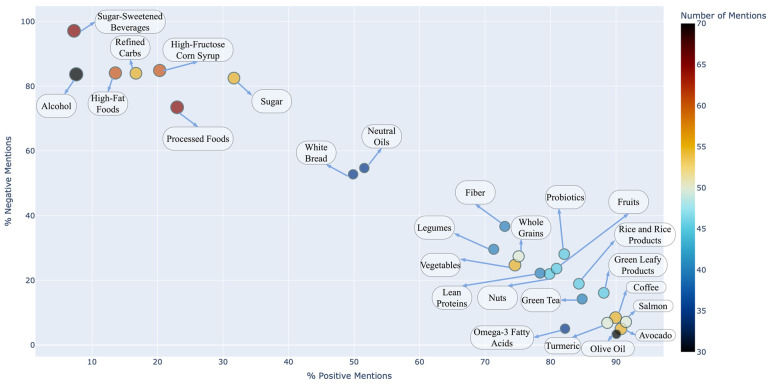
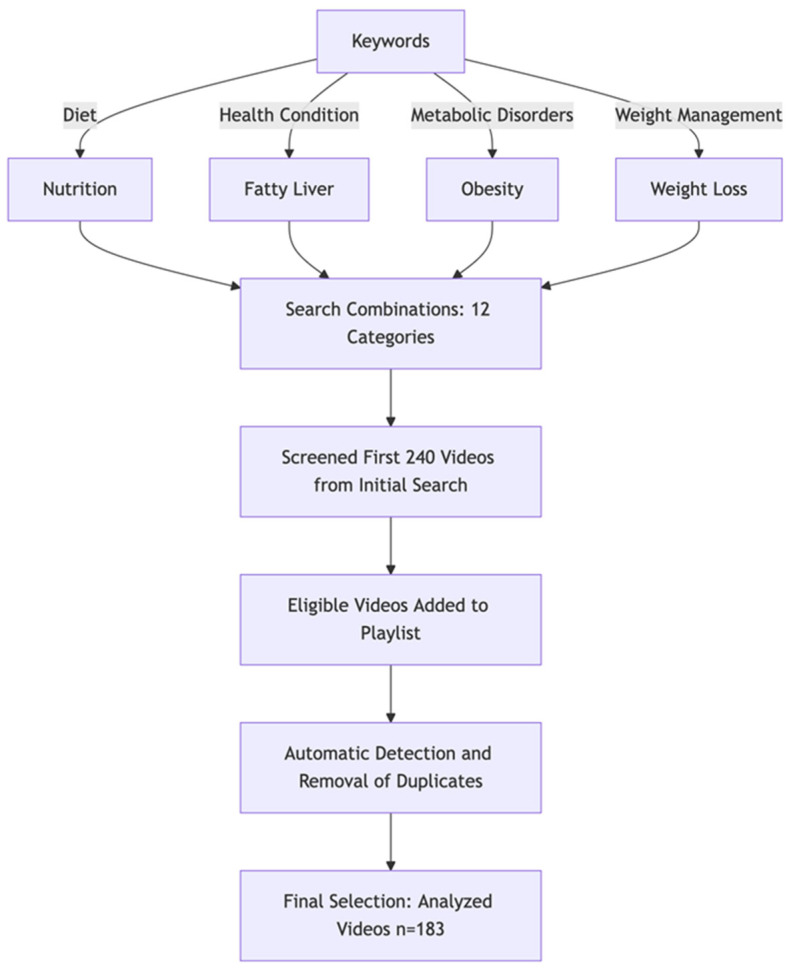
Background/Objectives: Fatty liver disease (FLD), particularly non-alcoholic fatty liver disease (NAFLD), is a growing global health concern that underscores the need for effective dietary management strategies. With over 25% of patients seeking dietary advice through platforms like YouTube, the quality and reliability of this information remain critical. However, the disparity in educational value and engagement metrics between professional and non-professional content remains underexplored. This study evaluates YouTube's role in disseminating dietary advice for FLD management, focusing on content reliability, engagement metrics, and the educational value of videos. Methods: This cross-sectional study systematically analyzed 183 YouTube videos on FLD and dietary advice. Videos were selected based on relevance, English language, and non-promotional content. Scoring systems, including DISCERN, Global Quality Score (GQS), and the Video Information and Quality Index (VIQI), were employed to assess reliability, quality, and educational value. Engagement metrics such as views, likes, dislikes, and interaction rates were analyzed across uploader categories, including healthcare professionals, patients, and undefined sources. Results: Videos uploaded by healthcare professionals demonstrated significantly higher DISCERN scores (4.2 ± 0.8) and GQS ratings (4.1 ± 0.6) compared to patient-generated content (DISCERN: 2.8 ± 0.9; GQS: 3.0 ± 0.7). However, patient-generated videos achieved higher engagement rates, with median views reaching 340,000 (IQR: 15,000-1,000,000) compared to 450,050 (IQR: 23,000-1,800,000) for professional videos. Nutritional recommendations spanned diverse approaches, including low-carb diets, Mediterranean diets, and guidance to avoid processed foods and sugars. A significant proportion of videos lacked evidence-based content, particularly among non-professional uploads. Conclusions: YouTube represents a widely accessed but inconsistent source of dietary advice for FLD. While healthcare professional videos exhibit higher reliability and educational value, patient-generated content achieves broader engagement, revealing a critical gap in trusted, accessible dietary guidance. These findings highlight the need for clinicians and content creators to collaborate in curating and disseminating evidence-based content, ensuring patients receive accurate, actionable advice for managing FLD.
期刊介绍:
Healthcare (ISSN 2227-9032) is an international, peer-reviewed, open access journal (free for readers), which publishes original theoretical and empirical work in the interdisciplinary area of all aspects of medicine and health care research. Healthcare publishes Original Research Articles, Reviews, Case Reports, Research Notes and Short Communications. We encourage researchers to publish their experimental and theoretical results in as much detail as possible. For theoretical papers, full details of proofs must be provided so that the results can be checked; for experimental papers, full experimental details must be provided so that the results can be reproduced. Additionally, electronic files or software regarding the full details of the calculations, experimental procedure, etc., can be deposited along with the publication as “Supplementary Material”.




 京公网安备 11010802042870号
京ICP备2023020795号-1
京公网安备 11010802042870号
京ICP备2023020795号-1

 分享
分享
 求助内容:
求助内容: 应助结果提醒方式:
 扫码关注我们
