{"title":"Impact of Surgical Timing on Outcomes in Neonatal Inguinal Hernia Repairs: A Systematic Review.","authors":"Leen Yahya Alqahtany, Arwa Alsharif, Abdulaziz Alsharif, Omar Alanazi, Manaf Altaf, Ahlam Kaleemullah, Lana Alsaedi, Hanan Ismail Wasaya, Abrar Hassan Alharbi, Osama Bawazir","doi":"10.3390/pediatric17010012","DOIUrl":null,"url":null,"abstract":"<p><p>Inguinal hernia repair (IHR) is a common surgical procedure among neonates and infants; the time of surgery is one of the major factors affecting its outcomes. Our systematic review aims to evaluate the effects of surgical timing on outcomes in inguinal hernia repairs in the newborn and infant population to establish evidence-based guidelines for optimal surgical timing. A systematic search was performed in PubMed, MEDLINE, and Web of Science databases, following PRISMA guidelines. Studies evaluating neonates and infants undergoing IHR with outcomes of recurrence, complications, and postoperative recovery were included. Data were collaboratively extracted, including patient demographics, surgical approaches, perioperative complications, and long-term outcomes. Early repair (0-28 days of life) decreased the risk of hernia incarceration but also increased the risk of preoperative complications. Delayed repair (29 days to 1 year of life) showed fewer preoperative complications but increased the risk of incarceration. The outcomes were affected by variables including patient maturity and comorbidities, along with hernia severity. Neonates with a high risk for incarceration are best treated with early repair, while stable infants can be managed safely with delayed repair. More randomized trials are needed to develop standardized guidelines that balance the associated risks of neonatal versus infant repair strategies to maximize benefits.</p>","PeriodicalId":45251,"journal":{"name":"Pediatric Reports","volume":"17 1","pages":""},"PeriodicalIF":1.4000,"publicationDate":"2025-01-23","publicationTypes":"Journal Article","fieldsOfStudy":null,"isOpenAccess":false,"openAccessPdf":"https://www.ncbi.nlm.nih.gov/pmc/articles/PMC11857962/pdf/","citationCount":"0","resultStr":null,"platform":"Semanticscholar","paperid":null,"PeriodicalName":"Pediatric Reports","FirstCategoryId":"1085","ListUrlMain":"https://doi.org/10.3390/pediatric17010012","RegionNum":0,"RegionCategory":null,"ArticlePicture":[],"TitleCN":null,"AbstractTextCN":null,"PMCID":null,"EPubDate":"","PubModel":"","JCR":"Q3","JCRName":"PEDIATRICS","Score":null,"Total":0}
引用次数: 0
Abstract
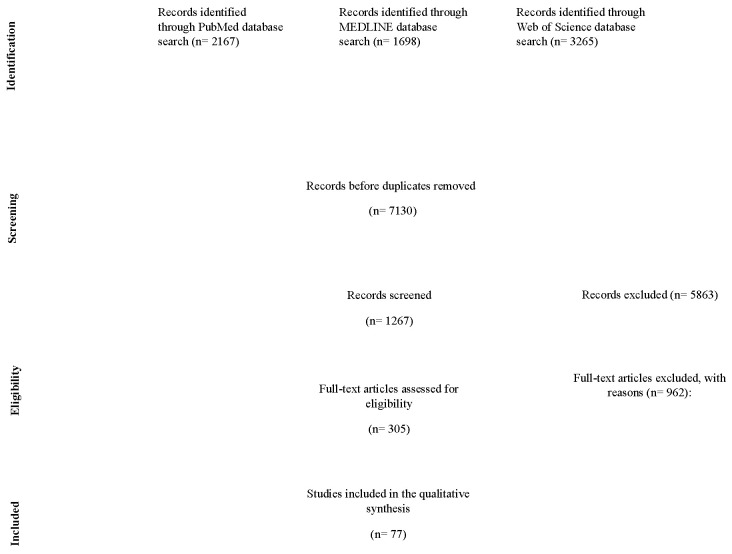
Inguinal hernia repair (IHR) is a common surgical procedure among neonates and infants; the time of surgery is one of the major factors affecting its outcomes. Our systematic review aims to evaluate the effects of surgical timing on outcomes in inguinal hernia repairs in the newborn and infant population to establish evidence-based guidelines for optimal surgical timing. A systematic search was performed in PubMed, MEDLINE, and Web of Science databases, following PRISMA guidelines. Studies evaluating neonates and infants undergoing IHR with outcomes of recurrence, complications, and postoperative recovery were included. Data were collaboratively extracted, including patient demographics, surgical approaches, perioperative complications, and long-term outcomes. Early repair (0-28 days of life) decreased the risk of hernia incarceration but also increased the risk of preoperative complications. Delayed repair (29 days to 1 year of life) showed fewer preoperative complications but increased the risk of incarceration. The outcomes were affected by variables including patient maturity and comorbidities, along with hernia severity. Neonates with a high risk for incarceration are best treated with early repair, while stable infants can be managed safely with delayed repair. More randomized trials are needed to develop standardized guidelines that balance the associated risks of neonatal versus infant repair strategies to maximize benefits.
腹股沟疝修补术(IHR)是新生儿和婴儿中常见的外科手术;手术时间是影响其预后的主要因素之一。我们的系统综述旨在评估手术时机对新生儿和婴儿腹股沟疝修补结果的影响,以建立循证的最佳手术时机指南。系统检索PubMed、MEDLINE和Web of Science数据库,遵循PRISMA指南。研究评估了新生儿和接受IHR的婴儿的复发、并发症和术后恢复情况。数据被协同提取,包括患者人口统计学、手术入路、围手术期并发症和长期结果。早期修复(0-28天)降低了疝嵌顿的风险,但也增加了术前并发症的风险。延迟修复(29天至1年)术前并发症较少,但增加了嵌顿的风险。结果受到包括患者成熟度和合并症以及疝气严重程度在内的变量的影响。有嵌顿风险的新生儿最好采用早期修复治疗,而病情稳定的婴儿可以通过延迟修复来安全管理。需要更多的随机试验来制定标准化的指导方针,以平衡新生儿与婴儿修复策略的相关风险,以最大限度地提高获益。




 京公网安备 11010802042870号
京ICP备2023020795号-1
京公网安备 11010802042870号
京ICP备2023020795号-1

 分享
分享
 求助内容:
求助内容: 应助结果提醒方式:
 扫码关注我们
