{"title":"Modified Transiliac Plating Technique for Complex Posterior Pelvic Ring Injuries.","authors":"Abhay Elhence, Sandeep Kumar Yadav, Jeshwanth Netaji","doi":"10.5371/hp.2025.37.1.79","DOIUrl":null,"url":null,"abstract":"<p><p>Pelvic ring injuries with rotational and translational instability are complex and often result from high-energy trauma, posing significant challenges in management. Internal fixation has emerged as the preferred approach, with traditional methods such as iliosacral screw fixation exhibiting drawbacks like implant-related morbidity and hardware complications. This paper presents a modified minimally invasive transiliac plating technique aimed at addressing these challenges. The surgical technique involves careful preoperative planning, precise patient positioning, and meticulous exposure of the posterior pelvic structures. Key steps include osteotomy of the posterior superior iliac spine (PSIS), formation of a subcutaneous tunnel, contouring and placement of the plate, and fixation with strategically positioned screws. Additionally, the modified technique incorporates the replacement of the osteotomized PSIS bony fragment, providing secondary stability and minimizing the risk of implant back out. This modification aims to enhance biomechanical stability, reduce implant-related morbidity, and ensure optimal functional outcomes. The technique's efficacy is supported by biomechanical principles and clinical studies, indicating its potential as a promising alternative in the management of unstable pelvic ring injuries. Overall, this modified approach offers improved patient comfort, reduced surgical risks, and enhanced long-term outcomes, contributing to advancements in pelvic ring fracture management.</p>","PeriodicalId":73239,"journal":{"name":"Hip & pelvis","volume":"37 1","pages":"79-84"},"PeriodicalIF":0.0000,"publicationDate":"2025-03-01","publicationTypes":"Journal Article","fieldsOfStudy":null,"isOpenAccess":false,"openAccessPdf":"https://www.ncbi.nlm.nih.gov/pmc/articles/PMC11885786/pdf/","citationCount":"0","resultStr":null,"platform":"Semanticscholar","paperid":null,"PeriodicalName":"Hip & pelvis","FirstCategoryId":"1085","ListUrlMain":"https://doi.org/10.5371/hp.2025.37.1.79","RegionNum":0,"RegionCategory":null,"ArticlePicture":[],"TitleCN":null,"AbstractTextCN":null,"PMCID":null,"EPubDate":"","PubModel":"","JCR":"","JCRName":"","Score":null,"Total":0}
引用次数: 0
Abstract
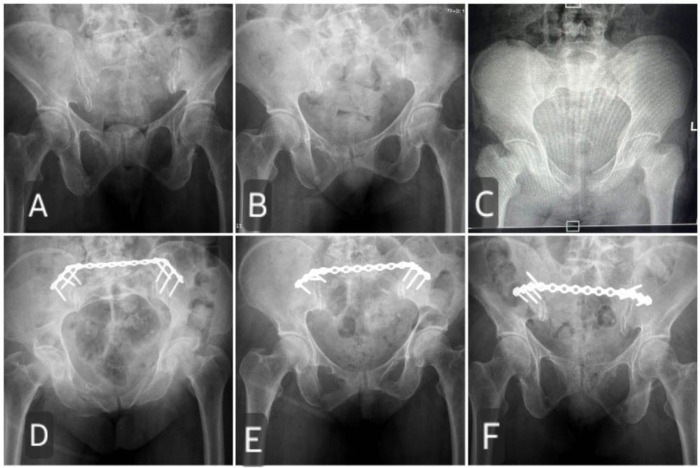
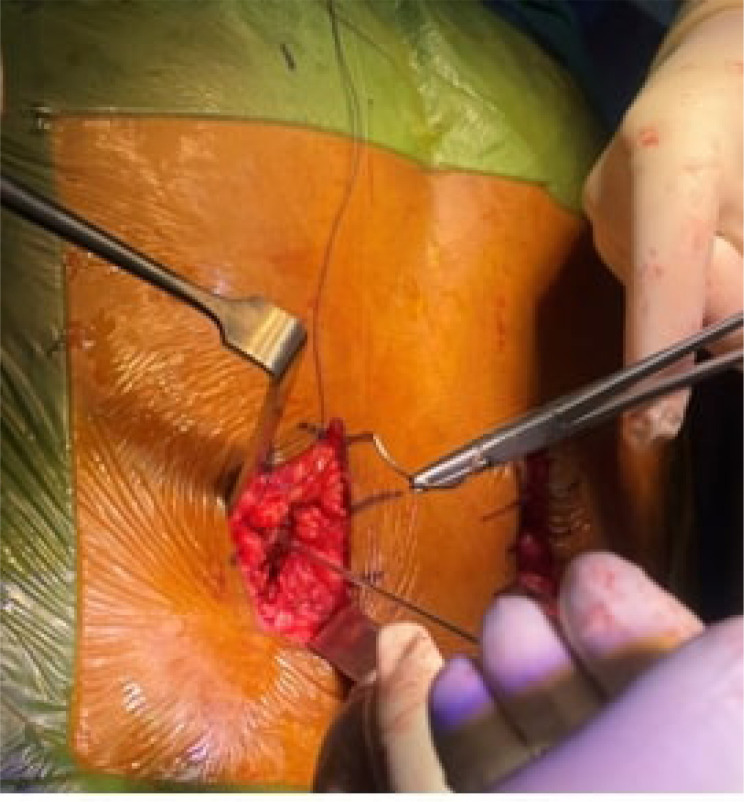
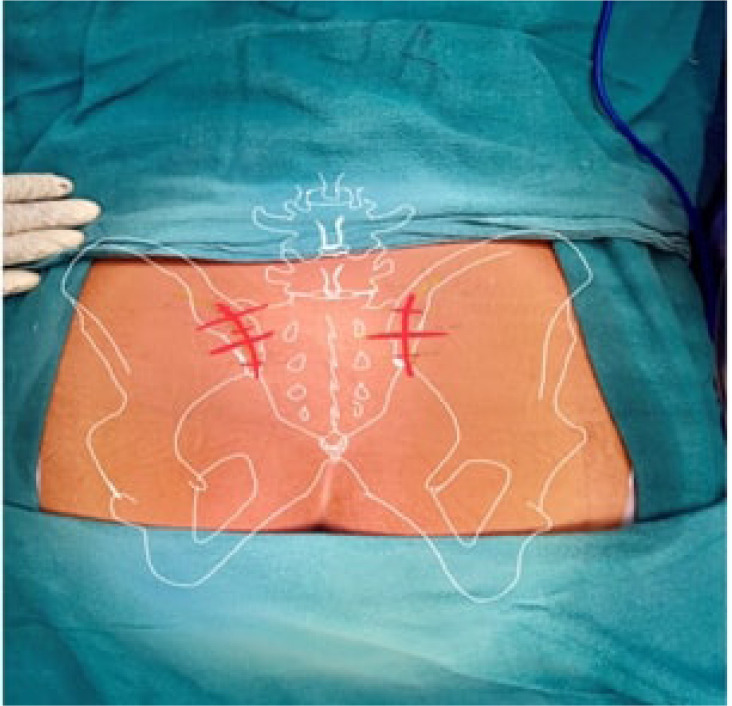
Pelvic ring injuries with rotational and translational instability are complex and often result from high-energy trauma, posing significant challenges in management. Internal fixation has emerged as the preferred approach, with traditional methods such as iliosacral screw fixation exhibiting drawbacks like implant-related morbidity and hardware complications. This paper presents a modified minimally invasive transiliac plating technique aimed at addressing these challenges. The surgical technique involves careful preoperative planning, precise patient positioning, and meticulous exposure of the posterior pelvic structures. Key steps include osteotomy of the posterior superior iliac spine (PSIS), formation of a subcutaneous tunnel, contouring and placement of the plate, and fixation with strategically positioned screws. Additionally, the modified technique incorporates the replacement of the osteotomized PSIS bony fragment, providing secondary stability and minimizing the risk of implant back out. This modification aims to enhance biomechanical stability, reduce implant-related morbidity, and ensure optimal functional outcomes. The technique's efficacy is supported by biomechanical principles and clinical studies, indicating its potential as a promising alternative in the management of unstable pelvic ring injuries. Overall, this modified approach offers improved patient comfort, reduced surgical risks, and enhanced long-term outcomes, contributing to advancements in pelvic ring fracture management.



 京公网安备 11010802042870号
京ICP备2023020795号-1
京公网安备 11010802042870号
京ICP备2023020795号-1

 分享
分享

 求助内容:
求助内容: 应助结果提醒方式:
 扫码关注我们
