How do people with multimorbidity prioritise healthcare when faced with tighter financial constraints? A national survey with a choice experiment component.
James Larkin, Louise Foley, Shane Timmons, Tony Hickey, Barbara Clyne, Patricia Harrington, Susan M Smith
{"title":"How do people with multimorbidity prioritise healthcare when faced with tighter financial constraints? A national survey with a choice experiment component.","authors":"James Larkin, Louise Foley, Shane Timmons, Tony Hickey, Barbara Clyne, Patricia Harrington, Susan M Smith","doi":"10.1186/s12875-025-02738-9","DOIUrl":null,"url":null,"abstract":"<p><strong>Background: </strong>People with multimorbidity (i.e., two or more chronic conditions) experience increased out-of-pocket healthcare costs and are vulnerable to cost-related non-adherence to recommended treatment. The aim of this study was to understand how people with multimorbidity prioritise different healthcare services when faced with tighter budget constraints and how they experience cost-related non-adherence.</p><p><strong>Methods: </strong>A national cross-sectional online survey incorporating a choice experiment was conducted. Participants were adults aged 40 years or over with at least one chronic condition, recruited in Ireland (December 2021 to March 2022). The survey included questions about real-life experiences of cost-related non-adherence and financial burden. The choice experiment element involved participants identifying how they would prioritise their real-world healthcare utilisation if their monthly personal healthcare budget was reduced by 25%.</p><p><strong>Results: </strong>Among the 962 participants, 64.9% (n = 624) had multimorbidity. Over one third (34.5%, n = 332) of participants reported cost-related non-adherence in the previous 12 months, which included not attending a healthcare appointment and/or not accessing medication. Similar findings on prioritisation were observed on the choice task. When presented with the hypothetical tighter budget constraint, participants reduced expenditure on 'other healthcare (hospital visits, specialist doctors, etc.)' by the greatest percentage (50.2%) and medicines by the lowest percentage (24.8%). Participants with multimorbidity tended to have a condition they prioritised over others. On average, they reduced expenditure for their top-priority condition by 71% less than would be expected if all conditions were valued equally, while they reduced expenditure for their least prioritised condition by 60% more than would be expected. Independence, symptom control and staying alive were rated as the most important influencing factors when making prioritisation decisions (median score = 5 out of 5).</p><p><strong>Conclusion: </strong>When faced with tighter financial constraints, people with multimorbidity tended to have a condition they prioritised over others. Participants were also more likely to prioritise medicines over other aspects of healthcare. Researchers, policymakers and clinicians should take greater consideration of the different ways people respond to tighter financial constraints. This could involve reducing the payment barriers to accessing care or clinicians discussing healthcare costs and coverage with patients as part of cost-of-care conversations.</p>","PeriodicalId":72428,"journal":{"name":"BMC primary care","volume":"26 1","pages":"57"},"PeriodicalIF":2.6000,"publicationDate":"2025-02-27","publicationTypes":"Journal Article","fieldsOfStudy":null,"isOpenAccess":false,"openAccessPdf":"https://www.ncbi.nlm.nih.gov/pmc/articles/PMC11866811/pdf/","citationCount":"0","resultStr":null,"platform":"Semanticscholar","paperid":null,"PeriodicalName":"BMC primary care","FirstCategoryId":"1085","ListUrlMain":"https://doi.org/10.1186/s12875-025-02738-9","RegionNum":0,"RegionCategory":null,"ArticlePicture":[],"TitleCN":null,"AbstractTextCN":null,"PMCID":null,"EPubDate":"","PubModel":"","JCR":"Q2","JCRName":"MEDICINE, GENERAL & INTERNAL","Score":null,"Total":0}
引用次数: 0
Abstract
Background: People with multimorbidity (i.e., two or more chronic conditions) experience increased out-of-pocket healthcare costs and are vulnerable to cost-related non-adherence to recommended treatment. The aim of this study was to understand how people with multimorbidity prioritise different healthcare services when faced with tighter budget constraints and how they experience cost-related non-adherence.
Methods: A national cross-sectional online survey incorporating a choice experiment was conducted. Participants were adults aged 40 years or over with at least one chronic condition, recruited in Ireland (December 2021 to March 2022). The survey included questions about real-life experiences of cost-related non-adherence and financial burden. The choice experiment element involved participants identifying how they would prioritise their real-world healthcare utilisation if their monthly personal healthcare budget was reduced by 25%.
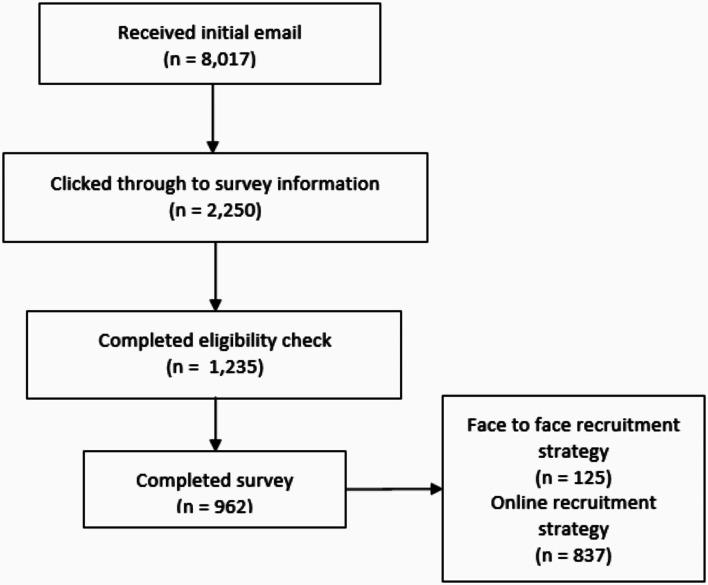
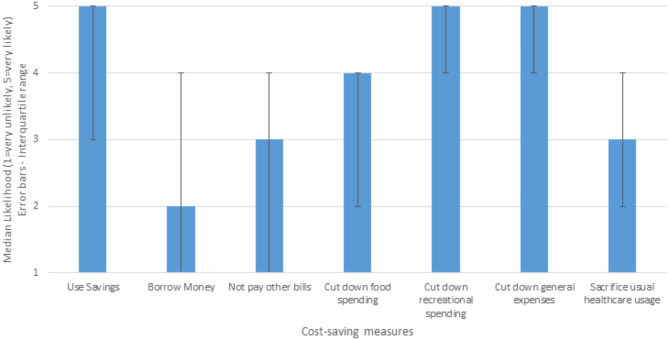
Results: Among the 962 participants, 64.9% (n = 624) had multimorbidity. Over one third (34.5%, n = 332) of participants reported cost-related non-adherence in the previous 12 months, which included not attending a healthcare appointment and/or not accessing medication. Similar findings on prioritisation were observed on the choice task. When presented with the hypothetical tighter budget constraint, participants reduced expenditure on 'other healthcare (hospital visits, specialist doctors, etc.)' by the greatest percentage (50.2%) and medicines by the lowest percentage (24.8%). Participants with multimorbidity tended to have a condition they prioritised over others. On average, they reduced expenditure for their top-priority condition by 71% less than would be expected if all conditions were valued equally, while they reduced expenditure for their least prioritised condition by 60% more than would be expected. Independence, symptom control and staying alive were rated as the most important influencing factors when making prioritisation decisions (median score = 5 out of 5).
Conclusion: When faced with tighter financial constraints, people with multimorbidity tended to have a condition they prioritised over others. Participants were also more likely to prioritise medicines over other aspects of healthcare. Researchers, policymakers and clinicians should take greater consideration of the different ways people respond to tighter financial constraints. This could involve reducing the payment barriers to accessing care or clinicians discussing healthcare costs and coverage with patients as part of cost-of-care conversations.




 京公网安备 11010802042870号
京ICP备2023020795号-1
京公网安备 11010802042870号
京ICP备2023020795号-1

 分享
分享

 求助内容:
求助内容: 应助结果提醒方式:
 扫码关注我们
