Bassem A Almalki, Fawaz M Alotaibi, Mohammed Aldholmi, Yousef S Alqarni, Sawsan M Kurdi, Mohammed M Alsultan, Wafa A Alzlaiq, Mansour M Alotaibi, Noor M Alashi, Fatimah S Alzahrani, Nouf E Alotaibi, Mohamed A Albekery, Sarah A Albilal, Khawla M Kahtani, Mohammed Abdelgawad Gafar, Sahar M Al-Mowaina, Ahmed K Alalawi, Abdullah A Alshehab, Ahmed J Aljasem, Abdulkareem M Albekairy
{"title":"Herbal Medicine Use Among Transplant Recipients in Saudi Arabia: Prevalence and Risk Awareness.","authors":"Bassem A Almalki, Fawaz M Alotaibi, Mohammed Aldholmi, Yousef S Alqarni, Sawsan M Kurdi, Mohammed M Alsultan, Wafa A Alzlaiq, Mansour M Alotaibi, Noor M Alashi, Fatimah S Alzahrani, Nouf E Alotaibi, Mohamed A Albekery, Sarah A Albilal, Khawla M Kahtani, Mohammed Abdelgawad Gafar, Sahar M Al-Mowaina, Ahmed K Alalawi, Abdullah A Alshehab, Ahmed J Aljasem, Abdulkareem M Albekairy","doi":"10.12659/AOT.947275","DOIUrl":null,"url":null,"abstract":"<p><p>BACKGROUND Herbal medicine is commonly used in Saudi Arabia, and is widely viewed as natural and safe. However, its use among transplant recipients poses risks due to interactions with immunosuppressive therapies. This study explores herbal medicine use, knowledge, and attitudes among Saudi transplant recipients. MATERIAL AND METHODS A cross-sectional study of 203 transplant recipients from multiple clinics in Saudi Arabia was conducted using a structured questionnaire to assess demographics, herbal supplement use, awareness of risks, and attitudes. Statistical analyses compared users and non-users of herbal supplements. RESULTS Post-transplant herbal supplement use decreased significantly (44.3% to 19.2%, p=0.0001). Many relied on unreliable sources like friends or the internet, and 54.24% of reported supplements posed interaction risks with immunosuppressive drugs. Participants aware of these risks were significantly less likely to use herbal supplements (15% vs 88%, p=0.0007). Alarmingly, 81.1% received no pre-transplant education, and 70.4% received no post-transplant care, despite 81% desiring guidance from healthcare providers. CONCLUSIONS Herbal supplement use among transplant recipients in Saudi Arabia is prevalent and risky due to potential drug interactions. Most patients lack education about these risks, underscoring the need for improved healthcare education.</p>","PeriodicalId":7935,"journal":{"name":"Annals of Transplantation","volume":"30 ","pages":"e947275"},"PeriodicalIF":1.4000,"publicationDate":"2025-03-04","publicationTypes":"Journal Article","fieldsOfStudy":null,"isOpenAccess":false,"openAccessPdf":"https://www.ncbi.nlm.nih.gov/pmc/articles/PMC11889984/pdf/","citationCount":"0","resultStr":null,"platform":"Semanticscholar","paperid":null,"PeriodicalName":"Annals of Transplantation","FirstCategoryId":"3","ListUrlMain":"https://doi.org/10.12659/AOT.947275","RegionNum":4,"RegionCategory":"医学","ArticlePicture":[],"TitleCN":null,"AbstractTextCN":null,"PMCID":null,"EPubDate":"","PubModel":"","JCR":"Q3","JCRName":"SURGERY","Score":null,"Total":0}
引用次数: 0
Abstract
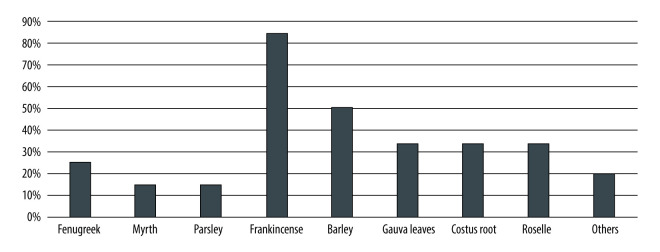
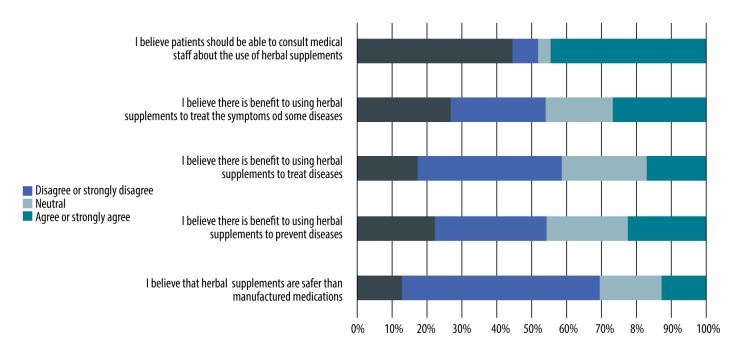
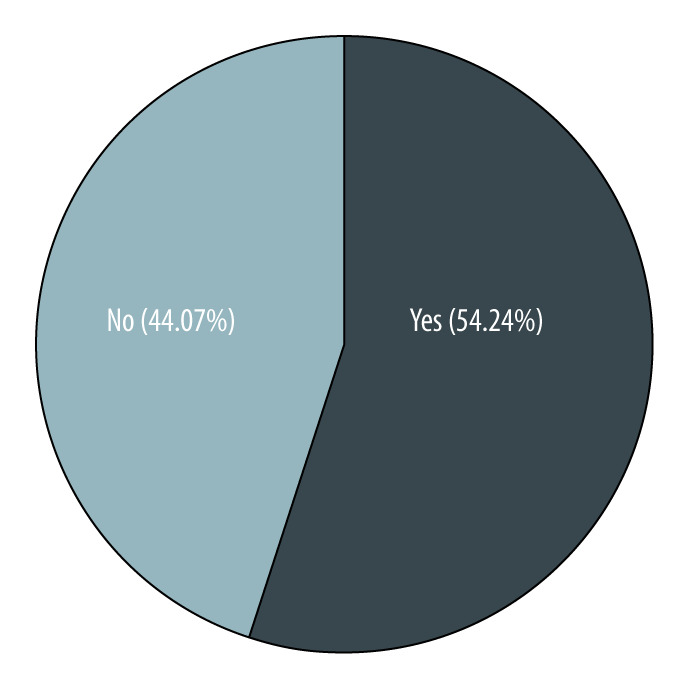
BACKGROUND Herbal medicine is commonly used in Saudi Arabia, and is widely viewed as natural and safe. However, its use among transplant recipients poses risks due to interactions with immunosuppressive therapies. This study explores herbal medicine use, knowledge, and attitudes among Saudi transplant recipients. MATERIAL AND METHODS A cross-sectional study of 203 transplant recipients from multiple clinics in Saudi Arabia was conducted using a structured questionnaire to assess demographics, herbal supplement use, awareness of risks, and attitudes. Statistical analyses compared users and non-users of herbal supplements. RESULTS Post-transplant herbal supplement use decreased significantly (44.3% to 19.2%, p=0.0001). Many relied on unreliable sources like friends or the internet, and 54.24% of reported supplements posed interaction risks with immunosuppressive drugs. Participants aware of these risks were significantly less likely to use herbal supplements (15% vs 88%, p=0.0007). Alarmingly, 81.1% received no pre-transplant education, and 70.4% received no post-transplant care, despite 81% desiring guidance from healthcare providers. CONCLUSIONS Herbal supplement use among transplant recipients in Saudi Arabia is prevalent and risky due to potential drug interactions. Most patients lack education about these risks, underscoring the need for improved healthcare education.
期刊介绍:
Annals of Transplantation is one of the fast-developing journals open to all scientists and fields of transplant medicine and related research. The journal is published quarterly and provides extensive coverage of the most important advances in transplantation.
Using an electronic on-line submission and peer review tracking system, Annals of Transplantation is committed to rapid review and publication. The average time to first decision is around 3-4 weeks. Time to publication of accepted manuscripts continues to be shortened, with the Editorial team committed to a goal of 3 months from acceptance to publication.
Expert reseachers and clinicians from around the world contribute original Articles, Review Papers, Case Reports and Special Reports in every pertinent specialty, providing a lot of arguments for discussion of exciting developments and controversies in the field.




 京公网安备 11010802042870号
京ICP备2023020795号-1
京公网安备 11010802042870号
京ICP备2023020795号-1

 分享
分享
 求助内容:
求助内容: 应助结果提醒方式:
 扫码关注我们
