
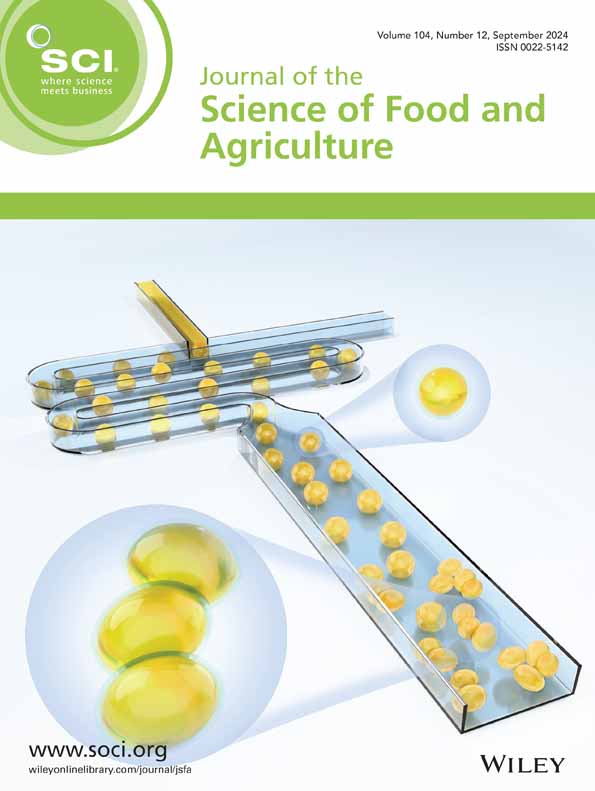
Astaxanthin (AST) exists as an ‘all-E’ isomer and various ‘Z’ isomers due to its multiple conjugated double bonds. The Z configuration has been reported to exhibit stronger antioxidant activity, raising interest in its potential health benefits. All-E AST is a potent chemopreventive agent for weight loss but the anti-obesity efficacy of Z isomers remains unclear. This study therefore explored the role of geometric isomers (all-E, 9-Z, and 13-Z) of AST on the alleviation of obesity using Caenorhabditis elegans, a well established model organism.
All-E, 9-Z, and 13-Z AST reduced obesity of high-fat worms substantially. Triglyceride (TG) decreased by 18.84%, with all-E AST, 41.18%, with 9-Z AST, and 35.94% with 13-Z AST (P < 0.05), indicating that Z AST displayed a superior anti-obesity effect. Interestingly, AST, and particularly its Z-isomers, reduced large lipid droplets (LDs) and oleic acid/stearic acid (C18:1Δ9/C18:0) significantly; these contribute to lipid accumulation. Astaxanthin also minimized food intake and boosted energy consumption, and Z-isomers outperformed all-E in enhancing mobility. Using quantitative polymerase chain reaction (qPCR), green fluorescent protein binding, and gene-deficient nematodes, the findings of the current study indicated that AST, especially Z isomers, suppressed key gene expression in sbp-1/mdt-15 and insulin/insulin-like growth factor signaling (IIS) pathways, which are responsible for regulating fatty acid composition and energy balance, and subsequently co-downregulated the essential genes fat-6 and fat-7 involved in C18:1Δ9 synthesis.
This study provides important insights into the association between anti-obesity effects and geometric isomers of carotenoids, guiding their application in the health field. © 2025 Society of Chemical Industry.



 京公网安备 11010802042870号
京ICP备2023020795号-1
京公网安备 11010802042870号
京ICP备2023020795号-1

 分享
分享
 求助内容:
求助内容: 应助结果提醒方式:
 扫码关注我们
