Kirby W Bonvillain, Ainsley K Bloomer, G Dillon Graham, Ryan P Serbin, Rachel B Seymour, Joseph R Hsu, Bryan Loeffler
{"title":"Changes in pain and prosthesis wear following transfemoral osseointegration combined with sciatic nerve RPNI.","authors":"Kirby W Bonvillain, Ainsley K Bloomer, G Dillon Graham, Ryan P Serbin, Rachel B Seymour, Joseph R Hsu, Bryan Loeffler","doi":"10.1097/OI9.0000000000000385","DOIUrl":null,"url":null,"abstract":"<p><strong>Background: </strong>Osseointegration (OI) has revolutionized prosthetic rehabilitation for amputees. Despite its contributions, postamputation pain remains a significant problem. This study aims to investigate the role of sciatic nerve regenerative peripheral nerve interface (RPNI) in patients undergoing transfemoral OI, focusing on its impact on pain and prosthetic wear.</p><p><strong>Methods: </strong>Patients underwent OI in a staged manner with RPNI being performed at either stage I or II. Outcome measures included preoperative and postoperative numerical rating scale phantom and residual limb pain (RLP) scores, presence of Tinel sign on physical examination, opioid use, and prosthetic wear. Data were collected through interviews using a standardized script to ensure consistency.</p><p><strong>Results: </strong>A total of 12 patients were included. The patients were reported among cohorts without comorbidities (RPNIw/oC, N = 9) and with comorbidities (RPNIwC, N = 3). The average phantom limb pain (PLP) score decreased by 3.66 in the RPNIw/oC group and 3 in the RPNIw/C group. The RLP score saw an average increase of 0.28 in the RPNIw/oC group and a decrease of 3.33 in the RPNIw/C group. The frequency of a positive Tinel sign went from 2/9 to 0/9 in the RPNIw/oC group and remained constant in the RPNIwC group at 1/3. Finally, the RPNIw/oC group saw an increase in prosthetic wear from 4 h/d preoperatively to 8.2 h/d postoperatively, and the RPNIwC group saw an increase from 2.67 h/d to 7 h/d. No patients required nerve-related revision surgery.</p><p><strong>Conclusion: </strong>This small case series demonstrates improvement in phantom limb pain and prosthesis wear after combined transfemoral OI and sciatic nerve RPNI.</p>","PeriodicalId":74381,"journal":{"name":"OTA international : the open access journal of orthopaedic trauma","volume":"8 1 Suppl","pages":"e385"},"PeriodicalIF":0.0000,"publicationDate":"2025-03-07","publicationTypes":"Journal Article","fieldsOfStudy":null,"isOpenAccess":false,"openAccessPdf":"https://www.ncbi.nlm.nih.gov/pmc/articles/PMC11892708/pdf/","citationCount":"0","resultStr":null,"platform":"Semanticscholar","paperid":null,"PeriodicalName":"OTA international : the open access journal of orthopaedic trauma","FirstCategoryId":"1085","ListUrlMain":"https://doi.org/10.1097/OI9.0000000000000385","RegionNum":0,"RegionCategory":null,"ArticlePicture":[],"TitleCN":null,"AbstractTextCN":null,"PMCID":null,"EPubDate":"2025/3/1 0:00:00","PubModel":"eCollection","JCR":"","JCRName":"","Score":null,"Total":0}
引用次数: 0
Abstract
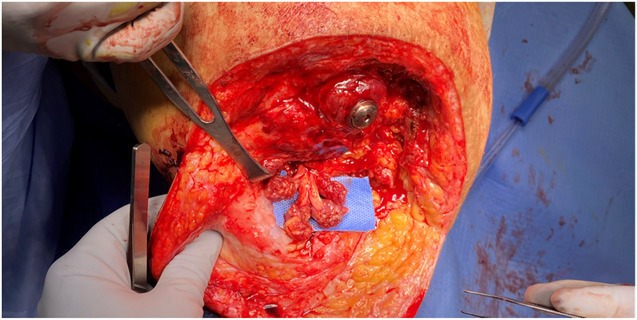
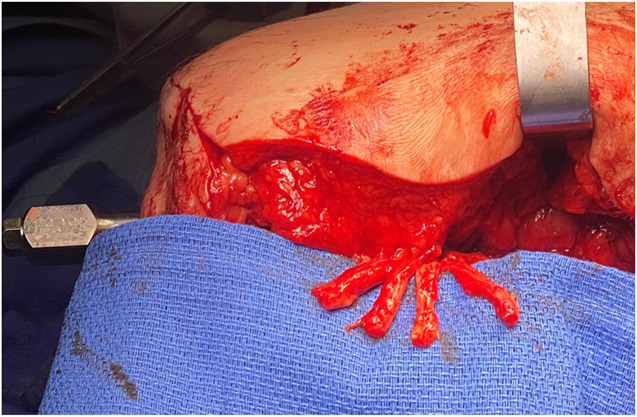
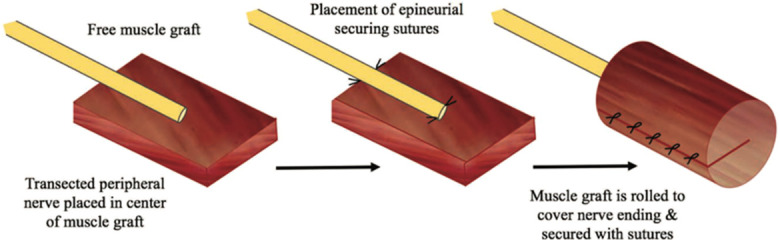
Background: Osseointegration (OI) has revolutionized prosthetic rehabilitation for amputees. Despite its contributions, postamputation pain remains a significant problem. This study aims to investigate the role of sciatic nerve regenerative peripheral nerve interface (RPNI) in patients undergoing transfemoral OI, focusing on its impact on pain and prosthetic wear.
Methods: Patients underwent OI in a staged manner with RPNI being performed at either stage I or II. Outcome measures included preoperative and postoperative numerical rating scale phantom and residual limb pain (RLP) scores, presence of Tinel sign on physical examination, opioid use, and prosthetic wear. Data were collected through interviews using a standardized script to ensure consistency.
Results: A total of 12 patients were included. The patients were reported among cohorts without comorbidities (RPNIw/oC, N = 9) and with comorbidities (RPNIwC, N = 3). The average phantom limb pain (PLP) score decreased by 3.66 in the RPNIw/oC group and 3 in the RPNIw/C group. The RLP score saw an average increase of 0.28 in the RPNIw/oC group and a decrease of 3.33 in the RPNIw/C group. The frequency of a positive Tinel sign went from 2/9 to 0/9 in the RPNIw/oC group and remained constant in the RPNIwC group at 1/3. Finally, the RPNIw/oC group saw an increase in prosthetic wear from 4 h/d preoperatively to 8.2 h/d postoperatively, and the RPNIwC group saw an increase from 2.67 h/d to 7 h/d. No patients required nerve-related revision surgery.
Conclusion: This small case series demonstrates improvement in phantom limb pain and prosthesis wear after combined transfemoral OI and sciatic nerve RPNI.



 京公网安备 11010802042870号
京ICP备2023020795号-1
京公网安备 11010802042870号
京ICP备2023020795号-1

 分享
分享

 求助内容:
求助内容: 应助结果提醒方式:
 扫码关注我们
