{"title":"Systemic Immune-Inflammatory Index as a Prognostic Biomarker in Patients with Heart Failure: A Comprehensive Analysis.","authors":"Aihaidan Abudouwayiti, Yanxiao Li, Tumaresi Tuerxun, Muyashaer Abudurexiti, Dongqin Duan, Ying-Ying Zheng, Ailiman Mahemuti","doi":"10.1177/10760296251328361","DOIUrl":null,"url":null,"abstract":"<p><p>ObjectiveThis study aimed to assess the prognostic significance of the Systemic Immune-Inflammatory Index (SII) in chronic heart failure (CHF) patients and evaluate its potential as a predictive biomarker.MethodsA retrospective analysis was conducted on 2748 CHF patients from the First Affiliated Hospital of Xinjiang Medical University from 2012 to 2022. The primary outcome was all-cause mortality (ACM), with readmission rates as secondary endpoints. An optimal SII cutoff value of 916.68 was determined for predicting ACM.ResultsElevated SII levels were significantly correlated with an increased risk of ACM in CHF patients across all left ventricular ejection fraction (LVEF) categories. The high SII group had a 43.8% increased risk of ACM compared to the low SII group.ConclusionSII is a significant prognostic biomarker in CHF, independent of traditional risk factors, highlighting its importance in risk stratification and clinical decision-making, and necessitating further investigation in prospective studies.</p>","PeriodicalId":10335,"journal":{"name":"Clinical and Applied Thrombosis/Hemostasis","volume":"31 ","pages":"10760296251328361"},"PeriodicalIF":2.0000,"publicationDate":"2025-01-01","publicationTypes":"Journal Article","fieldsOfStudy":null,"isOpenAccess":false,"openAccessPdf":"https://www.ncbi.nlm.nih.gov/pmc/articles/PMC11907554/pdf/","citationCount":"0","resultStr":null,"platform":"Semanticscholar","paperid":null,"PeriodicalName":"Clinical and Applied Thrombosis/Hemostasis","FirstCategoryId":"3","ListUrlMain":"https://doi.org/10.1177/10760296251328361","RegionNum":4,"RegionCategory":"医学","ArticlePicture":[],"TitleCN":null,"AbstractTextCN":null,"PMCID":null,"EPubDate":"2025/3/13 0:00:00","PubModel":"Epub","JCR":"Q2","JCRName":"HEMATOLOGY","Score":null,"Total":0}
引用次数: 0
Abstract
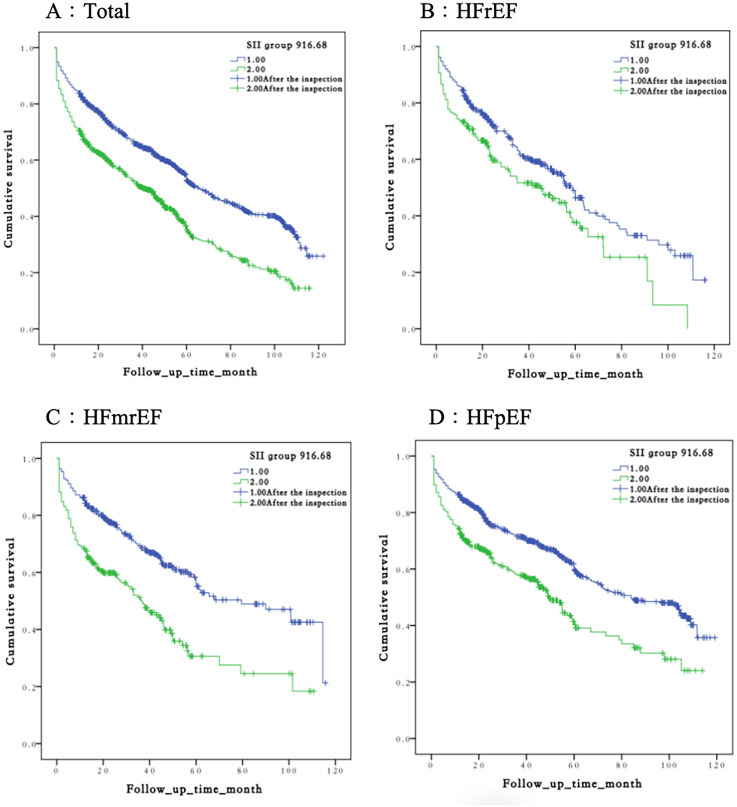
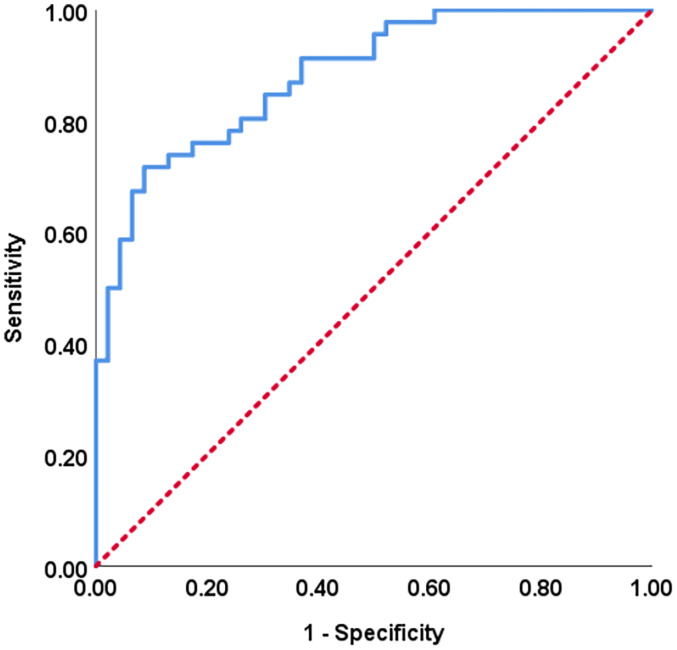
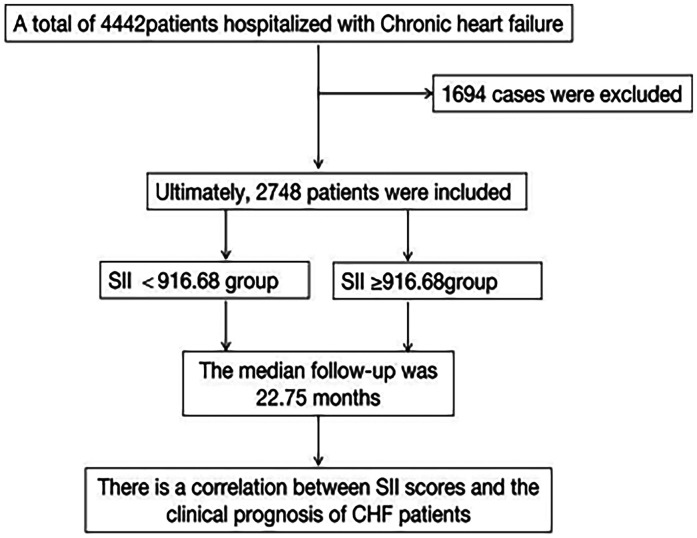
ObjectiveThis study aimed to assess the prognostic significance of the Systemic Immune-Inflammatory Index (SII) in chronic heart failure (CHF) patients and evaluate its potential as a predictive biomarker.MethodsA retrospective analysis was conducted on 2748 CHF patients from the First Affiliated Hospital of Xinjiang Medical University from 2012 to 2022. The primary outcome was all-cause mortality (ACM), with readmission rates as secondary endpoints. An optimal SII cutoff value of 916.68 was determined for predicting ACM.ResultsElevated SII levels were significantly correlated with an increased risk of ACM in CHF patients across all left ventricular ejection fraction (LVEF) categories. The high SII group had a 43.8% increased risk of ACM compared to the low SII group.ConclusionSII is a significant prognostic biomarker in CHF, independent of traditional risk factors, highlighting its importance in risk stratification and clinical decision-making, and necessitating further investigation in prospective studies.
期刊介绍:
CATH is a peer-reviewed bi-monthly journal that addresses the practical clinical and laboratory issues involved in managing bleeding and clotting disorders, especially those related to thrombosis, hemostasis, and vascular disorders. CATH covers clinical trials, studies on etiology, pathophysiology, diagnosis and treatment of thrombohemorrhagic disorders.




 京公网安备 11010802042870号
京ICP备2023020795号-1
京公网安备 11010802042870号
京ICP备2023020795号-1

 分享
分享
 求助内容:
求助内容: 应助结果提醒方式:
 扫码关注我们
