Alberto Alfieri Zellner, Julian Voss, Alexander Franz, Jonas Roos, Gunnar Thorben Rembert Hischebeth, Ernst Molitor, Frank Sebastian Fröschen
{"title":"Musculoskeletal infections caused by streptococcus infantarius - a case series and review of literature.","authors":"Alberto Alfieri Zellner, Julian Voss, Alexander Franz, Jonas Roos, Gunnar Thorben Rembert Hischebeth, Ernst Molitor, Frank Sebastian Fröschen","doi":"10.1007/s00264-025-06487-3","DOIUrl":null,"url":null,"abstract":"<p><strong>Purpose: </strong>The full spectrum of diseases caused by S. infantarius remains poorly understood, particularly its role in musculoskeletal infections.</p><p><strong>Methods: </strong>A retrospective study was conducted from January 2008 to May 2024. Patients with bacterial infections and detection of S. infantarius in at least one tissue sample, fluid sample, or blood cultures were included. Follow-up controls in patients with musculoskeletal infection were performed.</p><p><strong>Results: </strong>S. infantarius could be identified in at least one sample (blood cultures, wound fluid, wound swab, bile, tissue or urine sample) of 72 patients. 33 were considered clinically relevant with symptomatic infections (63.4 ± 21.1 years; positive samples: 1.39 ± 0.86; total number of samples: 2.7 ± 1.76). Non-muskuloskeletal infections (n = 29; 61.1 ± 21.5 years; positive samples: 1.28 ± 0.59) included a variety of different infections (sepsis (n = 11), abdominal/gastrointestinal/urogenital infections (n = 16), soft tissue infections (n = 2)). Four patients with musculoskeletal S. infantarius infection (positive samples: 2.25 ± 1.89; diagnosis: acute PJI, spondylodiscitis, chronic PJI and postoperative spinal wound infection) required surgical and/or antimicrobial treatment. Follow-up after musculoskeletal infection varied between 10 and 60 months. Antibiotic susceptibility testing displayed a sensitivity to Penicillin in all isolates. No patient had a recurrent positive sample/infection with S. infantarius.</p><p><strong>Conclusions: </strong>This study describes musculoskeletal infections caused by S. infantarius, highlighting its possible relevance as pathogen in orthopedic infections. The findings underscore the importance of recognizing and appropriately treating S. infantarius. In case of penicillin allergy, clindamycin shows to be an effective alternative treatment.</p>","PeriodicalId":14450,"journal":{"name":"International Orthopaedics","volume":" ","pages":"1283-1292"},"PeriodicalIF":2.6000,"publicationDate":"2025-06-01","publicationTypes":"Journal Article","fieldsOfStudy":null,"isOpenAccess":false,"openAccessPdf":"https://www.ncbi.nlm.nih.gov/pmc/articles/PMC12075352/pdf/","citationCount":"0","resultStr":null,"platform":"Semanticscholar","paperid":null,"PeriodicalName":"International Orthopaedics","FirstCategoryId":"3","ListUrlMain":"https://doi.org/10.1007/s00264-025-06487-3","RegionNum":3,"RegionCategory":"医学","ArticlePicture":[],"TitleCN":null,"AbstractTextCN":null,"PMCID":null,"EPubDate":"2025/3/13 0:00:00","PubModel":"Epub","JCR":"Q2","JCRName":"ORTHOPEDICS","Score":null,"Total":0}
引用次数: 0
Abstract
Purpose: The full spectrum of diseases caused by S. infantarius remains poorly understood, particularly its role in musculoskeletal infections.
Methods: A retrospective study was conducted from January 2008 to May 2024. Patients with bacterial infections and detection of S. infantarius in at least one tissue sample, fluid sample, or blood cultures were included. Follow-up controls in patients with musculoskeletal infection were performed.
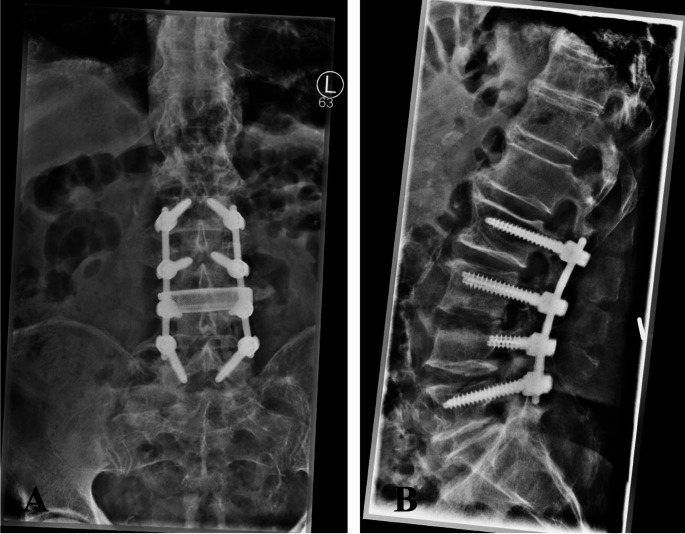
Results: S. infantarius could be identified in at least one sample (blood cultures, wound fluid, wound swab, bile, tissue or urine sample) of 72 patients. 33 were considered clinically relevant with symptomatic infections (63.4 ± 21.1 years; positive samples: 1.39 ± 0.86; total number of samples: 2.7 ± 1.76). Non-muskuloskeletal infections (n = 29; 61.1 ± 21.5 years; positive samples: 1.28 ± 0.59) included a variety of different infections (sepsis (n = 11), abdominal/gastrointestinal/urogenital infections (n = 16), soft tissue infections (n = 2)). Four patients with musculoskeletal S. infantarius infection (positive samples: 2.25 ± 1.89; diagnosis: acute PJI, spondylodiscitis, chronic PJI and postoperative spinal wound infection) required surgical and/or antimicrobial treatment. Follow-up after musculoskeletal infection varied between 10 and 60 months. Antibiotic susceptibility testing displayed a sensitivity to Penicillin in all isolates. No patient had a recurrent positive sample/infection with S. infantarius.
Conclusions: This study describes musculoskeletal infections caused by S. infantarius, highlighting its possible relevance as pathogen in orthopedic infections. The findings underscore the importance of recognizing and appropriately treating S. infantarius. In case of penicillin allergy, clindamycin shows to be an effective alternative treatment.
期刊介绍:
International Orthopaedics, the Official Journal of the Société Internationale de Chirurgie Orthopédique et de Traumatologie (SICOT) , publishes original papers from all over the world. The articles deal with clinical orthopaedic surgery or basic research directly connected with orthopaedic surgery. International Orthopaedics will also link all the members of SICOT by means of an insert that will be concerned with SICOT matters.
Finally, it is expected that news and information regarding all aspects of orthopaedic surgery, including meetings, panels, instructional courses, etc. will be brought to the attention of the readers.
Manuscripts submitted for publication must contain a statement to the effect that all human studies have been approved by the appropriate ethics committee and have therefore been performed in accordance with the ethical standards laid down in the 1964 Declaration of Helsinki. It should also be stated clearly in the text that all persons gave their informed consent prior to their inclusion in the study. Details that might disclose the identity of the subjects under study should be omitted.
Reports of animal experiments must state that the "Principles of laboratory animal care" (NIH publication No. 85-23, revised 1985) were followed, as well as specific national laws (e.g. the current version of the German Law on the Protection of Animals) where applicable.
The editors reserve the right to reject manuscripts that do not comply with the above-mentioned requirements. The author will be held responsible for false statements or for failure to fulfil the above-mentioned requirements.






 京公网安备 11010802042870号
京ICP备2023020795号-1
京公网安备 11010802042870号
京ICP备2023020795号-1

 分享
分享
 求助内容:
求助内容: 应助结果提醒方式:
 扫码关注我们
