{"title":"A Case of Sigmoid Colon Perforation Associated with Sodium Zirconium Cyclosilicate in a Patient with Advanced Rectal Cancer.","authors":"Takaki Kamiya, Toru Miyake, Osamu Inatomi, Tomoharu Shimizu","doi":"10.70352/scrj.cr.24-0123","DOIUrl":null,"url":null,"abstract":"<p><strong>Introduction: </strong>Sodium zirconium cyclosilicate (SZC) binds with potassium in the gastrointestinal tract and increases fecal potassium excretion. Since SZC is a novel and non-swelling drug, the risk of intestinal perforation is not mentioned in the package insert. We hereby report the case of sigmoid colon perforation caused by hard stools and severe hypokalemia in a patient suffering from advanced rectal cancer, who was taking SZC.</p><p><strong>Case presentation: </strong>A woman in her 80s with a history of primary biliary cirrhosis and decompensated cirrhosis accompanied by hyperkalemia was administered SZC. The patient was rushed to the hospital on the 23rd day following the commencement of SZC, complaining of abdominal pain and nausea. She suffered from sigmoid colon perforation. Hartmann's operation with drainage was performed. SZC was discontinued after admission, following which the serum potassium levels normalized. Despite the diagnosis of advanced rectal cancer during her hospital stay, the curative operation and stoma closure were judged to be inoperable because of her physical condition.</p><p><strong>Conclusions: </strong>SZC is said to be associated with a lower risk of intestinal perforation compared with other similar drugs; however, in patients with certain conditions, such as intestinal obstruction or transit disorder resulting from malignant disease, adhesion, and inflammatory diseases, the accumulation of SZC in the intestinal lumen might increase the risk of perforation.</p>","PeriodicalId":22096,"journal":{"name":"Surgical Case Reports","volume":"11 1","pages":""},"PeriodicalIF":0.7000,"publicationDate":"2025-01-01","publicationTypes":"Journal Article","fieldsOfStudy":null,"isOpenAccess":false,"openAccessPdf":"https://www.ncbi.nlm.nih.gov/pmc/articles/PMC11925643/pdf/","citationCount":"0","resultStr":null,"platform":"Semanticscholar","paperid":null,"PeriodicalName":"Surgical Case Reports","FirstCategoryId":"1085","ListUrlMain":"https://doi.org/10.70352/scrj.cr.24-0123","RegionNum":0,"RegionCategory":null,"ArticlePicture":[],"TitleCN":null,"AbstractTextCN":null,"PMCID":null,"EPubDate":"2025/3/11 0:00:00","PubModel":"Epub","JCR":"Q4","JCRName":"SURGERY","Score":null,"Total":0}
引用次数: 0
Abstract
Introduction: Sodium zirconium cyclosilicate (SZC) binds with potassium in the gastrointestinal tract and increases fecal potassium excretion. Since SZC is a novel and non-swelling drug, the risk of intestinal perforation is not mentioned in the package insert. We hereby report the case of sigmoid colon perforation caused by hard stools and severe hypokalemia in a patient suffering from advanced rectal cancer, who was taking SZC.
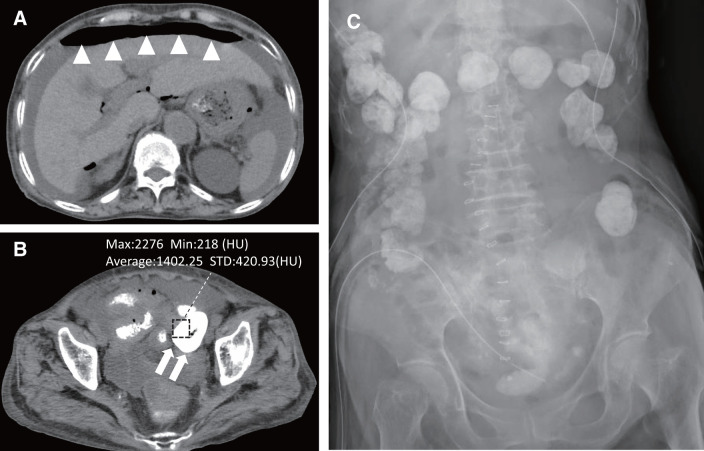
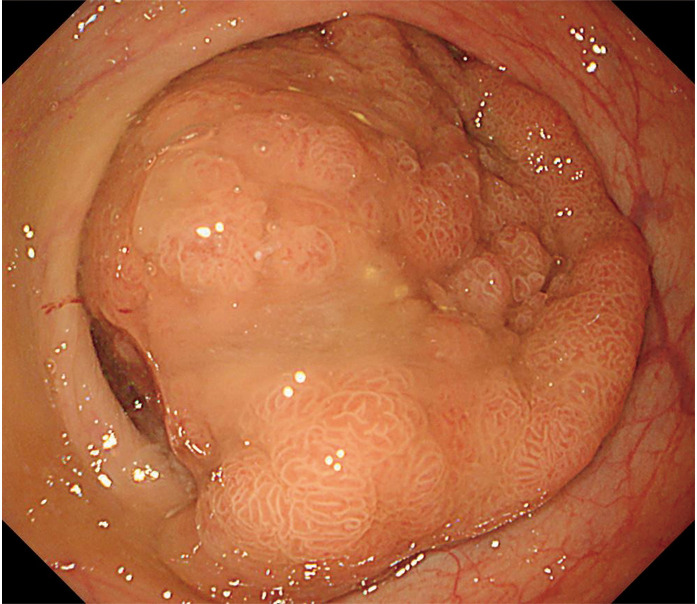
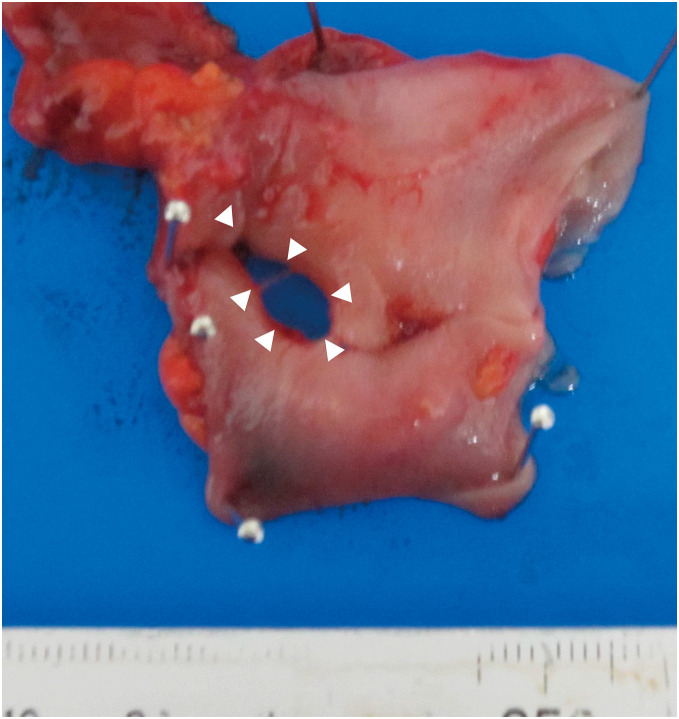
Case presentation: A woman in her 80s with a history of primary biliary cirrhosis and decompensated cirrhosis accompanied by hyperkalemia was administered SZC. The patient was rushed to the hospital on the 23rd day following the commencement of SZC, complaining of abdominal pain and nausea. She suffered from sigmoid colon perforation. Hartmann's operation with drainage was performed. SZC was discontinued after admission, following which the serum potassium levels normalized. Despite the diagnosis of advanced rectal cancer during her hospital stay, the curative operation and stoma closure were judged to be inoperable because of her physical condition.
Conclusions: SZC is said to be associated with a lower risk of intestinal perforation compared with other similar drugs; however, in patients with certain conditions, such as intestinal obstruction or transit disorder resulting from malignant disease, adhesion, and inflammatory diseases, the accumulation of SZC in the intestinal lumen might increase the risk of perforation.



 京公网安备 11010802042870号
京ICP备2023020795号-1
京公网安备 11010802042870号
京ICP备2023020795号-1

 分享
分享
 求助内容:
求助内容: 应助结果提醒方式:
 扫码关注我们
