Sergio Duarte, Anne-Marie Fassler, Matthew Willman, Duncan Lewis, Curtis Warren, Isabella Angeli-Pahim, Rushi Shah, Georgios Vrakas, Ashraf El Hinnawi, Werviston De Faria, Thiago Beduschi, Narendra Battula, Ali Zarrinpar
{"title":"Soluble DNA Concentration in the Perfusate is a Predictor of Posttransplant Renal Function in Hypothermic Machine Perfused Kidney Allografts.","authors":"Sergio Duarte, Anne-Marie Fassler, Matthew Willman, Duncan Lewis, Curtis Warren, Isabella Angeli-Pahim, Rushi Shah, Georgios Vrakas, Ashraf El Hinnawi, Werviston De Faria, Thiago Beduschi, Narendra Battula, Ali Zarrinpar","doi":"10.1097/TXD.0000000000001768","DOIUrl":null,"url":null,"abstract":"<p><strong>Background: </strong>Hypothermic machine perfusion (HMP) has greatly improved kidney allograft preservation. However, tissue damage still occurs during HMP, affecting posttransplant graft function. Therefore, better methods are needed to continuously assess organ quality and to predict posttransplant graft function and survival. We propose that soluble DNA (sDNA) concentration in HMP perfusate can be used as a noninvasive biomarker for this purpose.</p><p><strong>Methods: </strong>Perfusate samples of kidney grafts placed on HMP were collected 5 min after the initiation of HMP and again at the conclusion of HMP. sDNA of nuclear origin from the perfusate was quantified by real-time polymerase chain reaction and correlated with HMP parameters and posttransplant clinical outcomes.</p><p><strong>Results: </strong>Kidney grafts from 52 deceased donors placed on HMP were studied. Perfusate sDNA concentration was significantly higher in transplanted kidneys with delayed graft function. Higher concentrations of perfusate sDNA at 5 min and at HMP conclusion were also correlated with lower graft function in the initial posttransplant period, as measured by postoperative day 2, 3, and 4 creatinine reduction ratios. Standard pump parameters such as renal vascular resistance and renal vascular flow were poor indicators of early posttransplant graft function.</p><p><strong>Conclusions: </strong>sDNA concentration in HMP perfusate of kidney grafts can indicate the quality of kidney graft preservation and predict posttransplant renal function. This biomarker should be explored further to improve renal organ assessment and transplantation outcomes.</p>","PeriodicalId":23225,"journal":{"name":"Transplantation Direct","volume":"11 4","pages":"e1768"},"PeriodicalIF":1.9000,"publicationDate":"2025-03-20","publicationTypes":"Journal Article","fieldsOfStudy":null,"isOpenAccess":false,"openAccessPdf":"https://www.ncbi.nlm.nih.gov/pmc/articles/PMC11927653/pdf/","citationCount":"0","resultStr":null,"platform":"Semanticscholar","paperid":null,"PeriodicalName":"Transplantation Direct","FirstCategoryId":"1085","ListUrlMain":"https://doi.org/10.1097/TXD.0000000000001768","RegionNum":0,"RegionCategory":null,"ArticlePicture":[],"TitleCN":null,"AbstractTextCN":null,"PMCID":null,"EPubDate":"2025/4/1 0:00:00","PubModel":"eCollection","JCR":"Q3","JCRName":"TRANSPLANTATION","Score":null,"Total":0}
引用次数: 0
Abstract
Background: Hypothermic machine perfusion (HMP) has greatly improved kidney allograft preservation. However, tissue damage still occurs during HMP, affecting posttransplant graft function. Therefore, better methods are needed to continuously assess organ quality and to predict posttransplant graft function and survival. We propose that soluble DNA (sDNA) concentration in HMP perfusate can be used as a noninvasive biomarker for this purpose.
Methods: Perfusate samples of kidney grafts placed on HMP were collected 5 min after the initiation of HMP and again at the conclusion of HMP. sDNA of nuclear origin from the perfusate was quantified by real-time polymerase chain reaction and correlated with HMP parameters and posttransplant clinical outcomes.
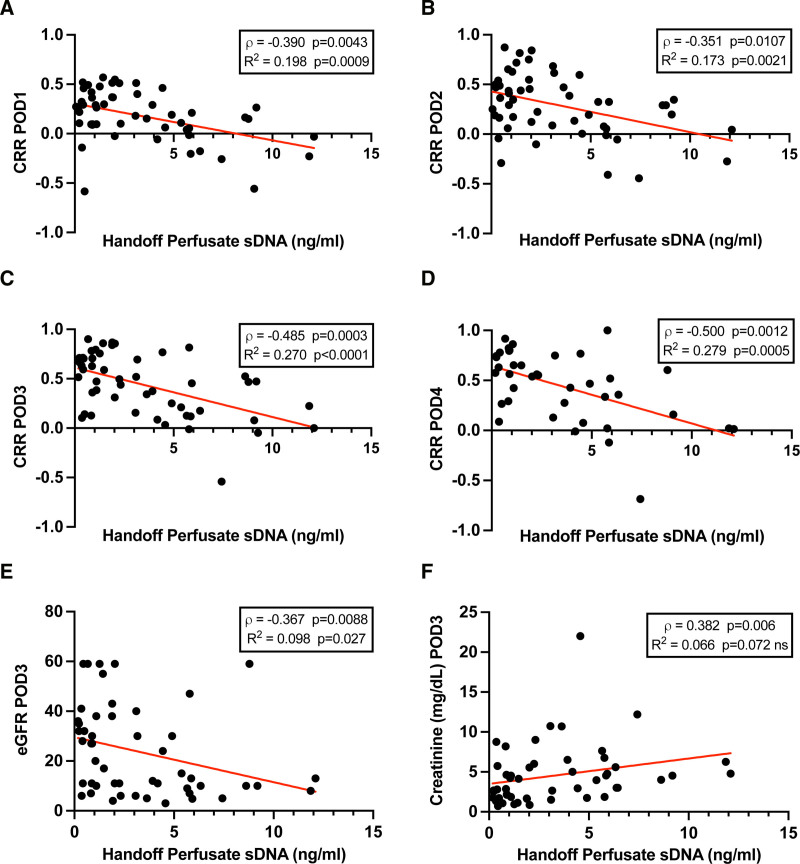
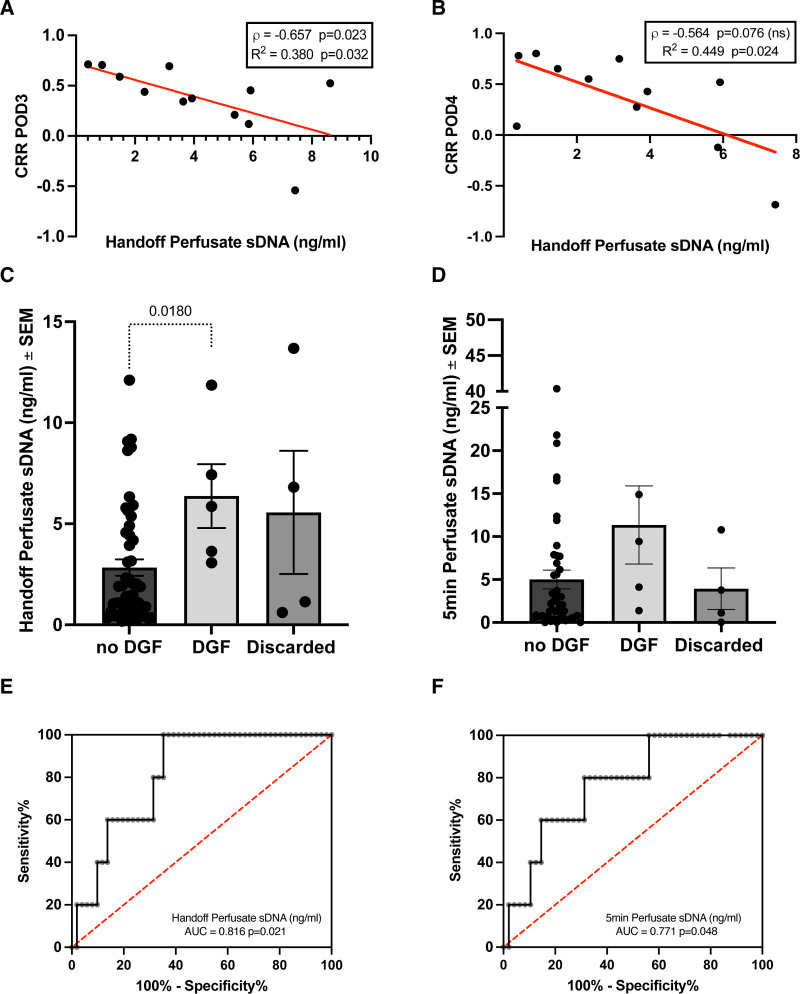
Results: Kidney grafts from 52 deceased donors placed on HMP were studied. Perfusate sDNA concentration was significantly higher in transplanted kidneys with delayed graft function. Higher concentrations of perfusate sDNA at 5 min and at HMP conclusion were also correlated with lower graft function in the initial posttransplant period, as measured by postoperative day 2, 3, and 4 creatinine reduction ratios. Standard pump parameters such as renal vascular resistance and renal vascular flow were poor indicators of early posttransplant graft function.
Conclusions: sDNA concentration in HMP perfusate of kidney grafts can indicate the quality of kidney graft preservation and predict posttransplant renal function. This biomarker should be explored further to improve renal organ assessment and transplantation outcomes.





 京公网安备 11010802042870号
京ICP备2023020795号-1
京公网安备 11010802042870号
京ICP备2023020795号-1

 分享
分享
 求助内容:
求助内容: 应助结果提醒方式:
 扫码关注我们
