Cognitive dysfunction and its associated factors in patients with epilepsy at referral hospitals in the Amhara region: an institutional-based cross-sectional study.
{"title":"Cognitive dysfunction and its associated factors in patients with epilepsy at referral hospitals in the Amhara region: an institutional-based cross-sectional study.","authors":"Lemlemu Maru, Yibeltal Yismaw Gela, Mihret Getnet, Dagnew Getnet Adugna, Desalegn Anmut Bitew, Ephrem Tesfaye, Hailu Aragie, Awgichew Behaile Teklemariam, Wondwosen Debebe, Mitku Mammo Taderegew, Nega Dagnew Baye, Mihret Melese","doi":"10.3389/fneur.2025.1491716","DOIUrl":null,"url":null,"abstract":"<p><strong>Background: </strong>Epilepsy is a multifactorial disease characterized by spontaneous, recurrent seizures and a growing incidence of comorbid conditions such as anxiety, depression, cognitive dysfunction, and sudden unexpected death. Patients with epilepsy often experience cognitive impairment or dysfunction that can negatively affect their quality of life. There is limited research on cognitive dysfunction assessed through the Montreal Cognitive Assessment (MoCA) in the Amhara region, although the MoCA is considered superior to the Mini-Mental State Examination (MMSE). Therefore, this study aimed to assess cognitive dysfunction and identify factors associated with it in patients with epilepsy who were receiving follow-up care at referral hospitals in the Amhara region.</p><p><strong>Materials and methods: </strong>A multicenter, institutional-based cross-sectional study was conducted among patients with epilepsy who were receiving follow-up care at randomly selected referral hospitals in the Amhara region from January 2024 to July 2024. A total of 355 participants were recruited for the study using a systematic random sampling technique, achieving a response rate of 98%. Cognitive dysfunction was measured using the MoCA. Data were entered with EpiData version 4.7 and then exported into SPSS version 26 for analysis. Multivariable logistic regression analysis was conducted, and a <i>p</i>-value of ≤0.05 was considered statistically significant. The results are presented in text and tables.</p><p><strong>Results: </strong>The majority of the participants were women (52.1%). The mean age of the study participants was 31 (± 5.4) years. The prevalence of cognitive dysfunction was 29% (95% CI: 25.8, 34.5). Multivariable logistic regression analysis revealed that several factors were statistically significantly associated with cognitive dysfunction. Factors associated with cognitive dysfunction included being a rural resident (adjusted odds ratios (AOR) = 1.21; 95% CI: 1.29, 1.43), having a medical illness (AOR = 2.5; 95% CI: 2.1, 9.1), experiencing generalized seizures (AOR = 1.3; 95% CI: 1.08, 3.1), having a seizure frequency of daily to every other day (AOR = 2; 95% CI: 1.5, 9.2), experiencing seizures for more than 30 years (AOR = 1.5; 95% CI: 1.7, 7.6), and using a combination of anti-seizure drugs (AOR = 2.5; 95% CI: 1.2, 6.2).</p><p><strong>Conclusions and recommendations: </strong>In this study, a significant proportion of patients with epilepsy receiving follow-up care experienced cognitive dysfunction. Neuropsychological assessment should be emphasized in patients with epilepsy at diagnosis and early follow-up phases of the condition.</p>","PeriodicalId":12575,"journal":{"name":"Frontiers in Neurology","volume":"16 ","pages":"1491716"},"PeriodicalIF":2.8000,"publicationDate":"2025-03-12","publicationTypes":"Journal Article","fieldsOfStudy":null,"isOpenAccess":false,"openAccessPdf":"https://www.ncbi.nlm.nih.gov/pmc/articles/PMC11936794/pdf/","citationCount":"0","resultStr":null,"platform":"Semanticscholar","paperid":null,"PeriodicalName":"Frontiers in Neurology","FirstCategoryId":"3","ListUrlMain":"https://doi.org/10.3389/fneur.2025.1491716","RegionNum":3,"RegionCategory":"医学","ArticlePicture":[],"TitleCN":null,"AbstractTextCN":null,"PMCID":null,"EPubDate":"2025/1/1 0:00:00","PubModel":"eCollection","JCR":"Q2","JCRName":"CLINICAL NEUROLOGY","Score":null,"Total":0}
引用次数: 0
Abstract
Background: Epilepsy is a multifactorial disease characterized by spontaneous, recurrent seizures and a growing incidence of comorbid conditions such as anxiety, depression, cognitive dysfunction, and sudden unexpected death. Patients with epilepsy often experience cognitive impairment or dysfunction that can negatively affect their quality of life. There is limited research on cognitive dysfunction assessed through the Montreal Cognitive Assessment (MoCA) in the Amhara region, although the MoCA is considered superior to the Mini-Mental State Examination (MMSE). Therefore, this study aimed to assess cognitive dysfunction and identify factors associated with it in patients with epilepsy who were receiving follow-up care at referral hospitals in the Amhara region.
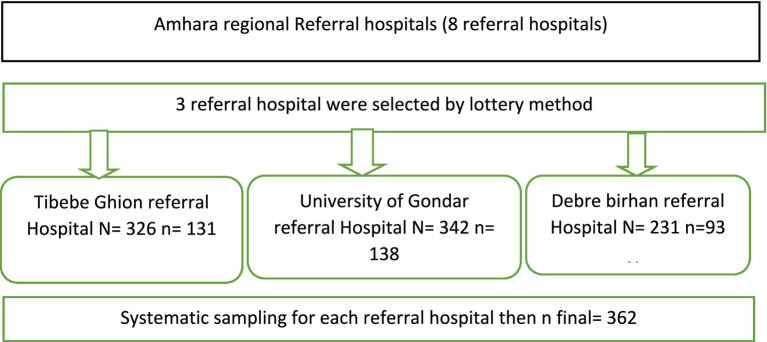
Materials and methods: A multicenter, institutional-based cross-sectional study was conducted among patients with epilepsy who were receiving follow-up care at randomly selected referral hospitals in the Amhara region from January 2024 to July 2024. A total of 355 participants were recruited for the study using a systematic random sampling technique, achieving a response rate of 98%. Cognitive dysfunction was measured using the MoCA. Data were entered with EpiData version 4.7 and then exported into SPSS version 26 for analysis. Multivariable logistic regression analysis was conducted, and a p-value of ≤0.05 was considered statistically significant. The results are presented in text and tables.
Results: The majority of the participants were women (52.1%). The mean age of the study participants was 31 (± 5.4) years. The prevalence of cognitive dysfunction was 29% (95% CI: 25.8, 34.5). Multivariable logistic regression analysis revealed that several factors were statistically significantly associated with cognitive dysfunction. Factors associated with cognitive dysfunction included being a rural resident (adjusted odds ratios (AOR) = 1.21; 95% CI: 1.29, 1.43), having a medical illness (AOR = 2.5; 95% CI: 2.1, 9.1), experiencing generalized seizures (AOR = 1.3; 95% CI: 1.08, 3.1), having a seizure frequency of daily to every other day (AOR = 2; 95% CI: 1.5, 9.2), experiencing seizures for more than 30 years (AOR = 1.5; 95% CI: 1.7, 7.6), and using a combination of anti-seizure drugs (AOR = 2.5; 95% CI: 1.2, 6.2).
Conclusions and recommendations: In this study, a significant proportion of patients with epilepsy receiving follow-up care experienced cognitive dysfunction. Neuropsychological assessment should be emphasized in patients with epilepsy at diagnosis and early follow-up phases of the condition.
期刊介绍:
The section Stroke aims to quickly and accurately publish important experimental, translational and clinical studies, and reviews that contribute to the knowledge of stroke, its causes, manifestations, diagnosis, and management.





 京公网安备 11010802042870号
京ICP备2023020795号-1
京公网安备 11010802042870号
京ICP备2023020795号-1

 分享
分享
 求助内容:
求助内容: 应助结果提醒方式:
 扫码关注我们
