Aileen Fraser, Vida Cairnes, Else Mikkelsen, Christina Knellwolf, Regula Locher, Marie Andersson
{"title":"Understanding and Managing Infusion Reactions and Hypophosphataemia With Intravenous Iron-A Nurses' Consensus Paper.","authors":"Aileen Fraser, Vida Cairnes, Else Mikkelsen, Christina Knellwolf, Regula Locher, Marie Andersson","doi":"10.1002/nop2.70191","DOIUrl":null,"url":null,"abstract":"<p><strong>Aim: </strong>To provide evidence-based guidance on practical aspects and potential safety concerns (infusion reactions and hypophosphataemia) related to the use of intravenous iron from a nursing perspective.</p><p><strong>Design: </strong>A modified Delphi consensus method.</p><p><strong>Methods: </strong>Literature searches were conducted and used to support the development of 16 consensus statements. Six nurses with expertise in the field of gastroenterology and experience with the administration of intravenous iron participated in a modified Delphi process to develop a final set of statements.</p><p><strong>Results: </strong>Overall, 16 statements achieved consensus and covered the practicalities of administration, infusion reactions and hypophosphataemia. Patient preparation is a key step in the administration of intravenous iron, but information should be communicated carefully to prevent undue anxiety. Highlighting the nurse's confidence in the management of any reactions may help to reduce anxiety. The patient should be observed during the first 5-10 min of an infusion to allow prompt management of immediate infusion reactions, although severe hypersensitivity reactions are rare. Nurses should be vigilant for symptoms of hypophosphataemia (such as fatigue, weakness and muscle/bone pain), which can develop following treatment with ferric carboxymaltose, saccharated ferric oxide and iron polymaltose. Serum phosphate levels should be measured in patients receiving ferric carboxymaltose who are at risk of low phosphate.</p><p><strong>Impact: </strong>Infusion reactions and hypophosphataemia with intravenous iron are documented in the literature, but existing publications do not approach these topics from a nursing perspective. This consensus paper highlights the importance of patient preparation, monitoring and prompt management when administering intravenous iron to ensure patient safety. Considering that nurses have a central role in the administration of intravenous iron, the availability of evidence-based guidance is essential for both nurse confidence and patient safety.</p><p><strong>Patient or public contribution: </strong>No patient or public contribution was involved in the consensus process.</p>","PeriodicalId":48570,"journal":{"name":"Nursing Open","volume":"12 4","pages":"e70191"},"PeriodicalIF":2.3000,"publicationDate":"2025-04-01","publicationTypes":"Journal Article","fieldsOfStudy":null,"isOpenAccess":false,"openAccessPdf":"https://www.ncbi.nlm.nih.gov/pmc/articles/PMC11946542/pdf/","citationCount":"0","resultStr":null,"platform":"Semanticscholar","paperid":null,"PeriodicalName":"Nursing Open","FirstCategoryId":"3","ListUrlMain":"https://doi.org/10.1002/nop2.70191","RegionNum":4,"RegionCategory":"医学","ArticlePicture":[],"TitleCN":null,"AbstractTextCN":null,"PMCID":null,"EPubDate":"","PubModel":"","JCR":"Q2","JCRName":"NURSING","Score":null,"Total":0}
引用次数: 0
Abstract
Aim: To provide evidence-based guidance on practical aspects and potential safety concerns (infusion reactions and hypophosphataemia) related to the use of intravenous iron from a nursing perspective.
Design: A modified Delphi consensus method.
Methods: Literature searches were conducted and used to support the development of 16 consensus statements. Six nurses with expertise in the field of gastroenterology and experience with the administration of intravenous iron participated in a modified Delphi process to develop a final set of statements.
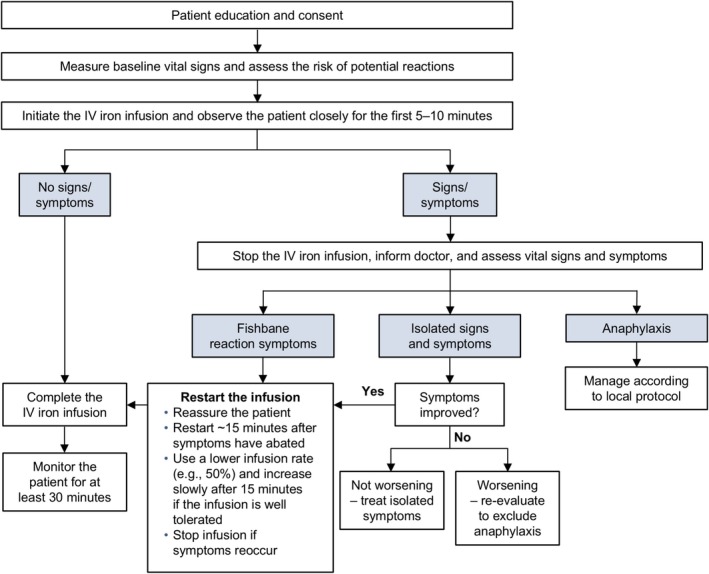
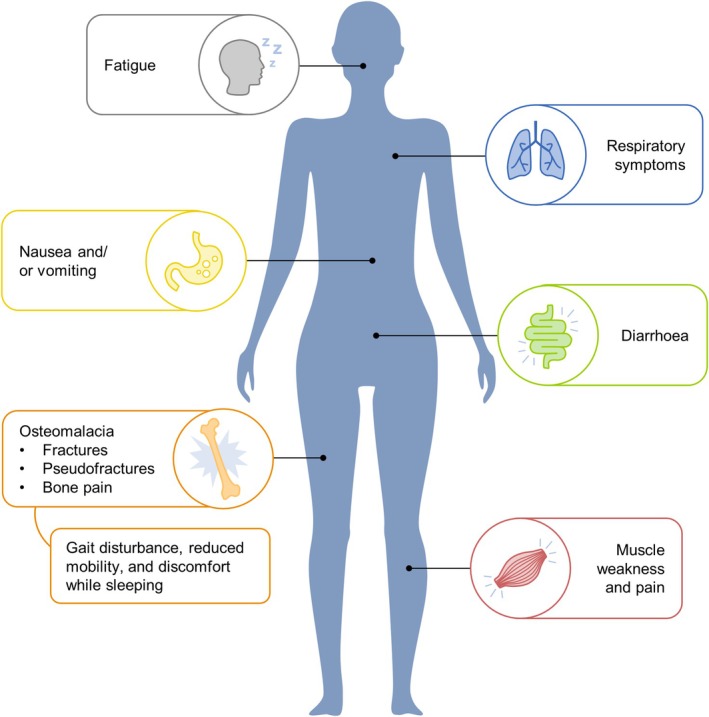
Results: Overall, 16 statements achieved consensus and covered the practicalities of administration, infusion reactions and hypophosphataemia. Patient preparation is a key step in the administration of intravenous iron, but information should be communicated carefully to prevent undue anxiety. Highlighting the nurse's confidence in the management of any reactions may help to reduce anxiety. The patient should be observed during the first 5-10 min of an infusion to allow prompt management of immediate infusion reactions, although severe hypersensitivity reactions are rare. Nurses should be vigilant for symptoms of hypophosphataemia (such as fatigue, weakness and muscle/bone pain), which can develop following treatment with ferric carboxymaltose, saccharated ferric oxide and iron polymaltose. Serum phosphate levels should be measured in patients receiving ferric carboxymaltose who are at risk of low phosphate.
Impact: Infusion reactions and hypophosphataemia with intravenous iron are documented in the literature, but existing publications do not approach these topics from a nursing perspective. This consensus paper highlights the importance of patient preparation, monitoring and prompt management when administering intravenous iron to ensure patient safety. Considering that nurses have a central role in the administration of intravenous iron, the availability of evidence-based guidance is essential for both nurse confidence and patient safety.
Patient or public contribution: No patient or public contribution was involved in the consensus process.
期刊介绍:
Nursing Open is a peer reviewed open access journal that welcomes articles on all aspects of nursing and midwifery practice, research, education and policy. We aim to publish articles that contribute to the art and science of nursing and which have a positive impact on health either locally, nationally, regionally or globally



 京公网安备 11010802042870号
京ICP备2023020795号-1
京公网安备 11010802042870号
京ICP备2023020795号-1

 分享
分享
 求助内容:
求助内容: 应助结果提醒方式:
 扫码关注我们
