Maria Octavia Murariu, Eugen Radu Boia, Adrian Mihail Sitaru, Cristian Ion Mot, Mihaela Cristina Negru, Alexandru Cristian Brici, Delia Elena Zahoi, Nicolae Constantin Balica
{"title":"Long-Term Quality of Life and Functional Outcomes in Patients with Total Laryngectomy.","authors":"Maria Octavia Murariu, Eugen Radu Boia, Adrian Mihail Sitaru, Cristian Ion Mot, Mihaela Cristina Negru, Alexandru Cristian Brici, Delia Elena Zahoi, Nicolae Constantin Balica","doi":"10.3390/cancers17061011","DOIUrl":null,"url":null,"abstract":"<p><strong>Background: </strong>Laryngeal cancer affects quality of life (QoL), speech, and swallowing. Total laryngectomy (TL) causes severe impairments, while partial laryngectomy (PL) and chemoradiotherapy (CRT) preserve the organ but yield variable outcomes. This study assesses QoL, speech rehabilitation, swallowing, and social reintegration across these treatments.</p><p><strong>Methods: </strong>This prospective observational cohort study was conducted at the ENT Clinic, Victor Babeș University of Medicine and Pharmacy, Timișoara; recruitment was conducted between October 2019 and January 2024. Seventy-five patients diagnosed with laryngeal squamous cell carcinoma (LSCC) were initially enrolled but only 15 patients (20%) completed the 12-month follow-up, with an attrition rate of 80%. Tumor stages ranged from T1 to T4a, with TL patients having a higher proportion of advanced-stage disease (Stage III-IV: 76%) compared to PL (45%) and CRT (50%). Validated instruments, including the European Organization for Research and Treatment of Cancer Quality of Life Questionnaire for Head and Neck Cancer (EORTC QLQ-H&N35), the Voice Handicap Index-30 (VHI-30), the Hospital Anxiety and Depression Scale (HADS), and the Dysphagia Outcome and Severity Scale (DOSS), were used to assess QoL, voice function, swallowing function, and psychological impact.</p><p><strong>Results: </strong>At 12 months, the global QoL score from the EORTC QLQ-H&N35 was lowest in TL patients (49.8 ± 10.9), significantly lower than both PL (61.2 ± 9.6, <i>p</i> = 0.002) and CRT (64.1 ± 7.8, <i>p</i> < 0.001). Post hoc Bonferroni analysis confirmed significant pairwise differences between TL vs. PL (<i>p</i> = 0.002) and TL vs. CRT (<i>p</i> < 0.001), while the difference between PL and CRT was non-significant (<i>p</i> = 0.14). TL patients had higher speech-related disability (VHI: 88.3 ± 12.6) and dysphagia prevalence (DOSS: 4.0 ± 1.2), with 16% remaining enteral feeding-dependent. Anxiety (HADS-A: 7.5 ± 2.9) and depression (HADS-D: 9.0 ± 3.2) were highest in TL patients, with 36% meeting clinical depression criteria at 12 months. Multivariable regression identified TL (OR = 3.92, 95% CI: 2.14-5.79, <i>p</i> < 0.001) and advanced tumor stage (OR = 2.85, 95% CI: 1.79-4.21, <i>p</i> = 0.002) as strong predictors of poor QoL. Kaplan-Meier analysis showed no significant OS differences (<i>p</i> = 0.12), but CRT patients had lower DFS (78%) compared to TL (82%) and PL (85%) (<i>p</i> = 0.048).</p><p><strong>Conclusions: </strong>TL patients experience the most significant impairments in QoL, speech, and social reintegration despite rehabilitation. CRT patients show higher recurrence rates but better QoL, while PL offers the best balance of function and survival. These findings highlight the need for long-term survivorship support tailored to treatment type.</p>","PeriodicalId":9681,"journal":{"name":"Cancers","volume":"17 6","pages":""},"PeriodicalIF":4.4000,"publicationDate":"2025-03-17","publicationTypes":"Journal Article","fieldsOfStudy":null,"isOpenAccess":false,"openAccessPdf":"https://www.ncbi.nlm.nih.gov/pmc/articles/PMC11941457/pdf/","citationCount":"0","resultStr":null,"platform":"Semanticscholar","paperid":null,"PeriodicalName":"Cancers","FirstCategoryId":"3","ListUrlMain":"https://doi.org/10.3390/cancers17061011","RegionNum":2,"RegionCategory":"医学","ArticlePicture":[],"TitleCN":null,"AbstractTextCN":null,"PMCID":null,"EPubDate":"","PubModel":"","JCR":"Q1","JCRName":"ONCOLOGY","Score":null,"Total":0}
引用次数: 0
Abstract
Background: Laryngeal cancer affects quality of life (QoL), speech, and swallowing. Total laryngectomy (TL) causes severe impairments, while partial laryngectomy (PL) and chemoradiotherapy (CRT) preserve the organ but yield variable outcomes. This study assesses QoL, speech rehabilitation, swallowing, and social reintegration across these treatments.
Methods: This prospective observational cohort study was conducted at the ENT Clinic, Victor Babeș University of Medicine and Pharmacy, Timișoara; recruitment was conducted between October 2019 and January 2024. Seventy-five patients diagnosed with laryngeal squamous cell carcinoma (LSCC) were initially enrolled but only 15 patients (20%) completed the 12-month follow-up, with an attrition rate of 80%. Tumor stages ranged from T1 to T4a, with TL patients having a higher proportion of advanced-stage disease (Stage III-IV: 76%) compared to PL (45%) and CRT (50%). Validated instruments, including the European Organization for Research and Treatment of Cancer Quality of Life Questionnaire for Head and Neck Cancer (EORTC QLQ-H&N35), the Voice Handicap Index-30 (VHI-30), the Hospital Anxiety and Depression Scale (HADS), and the Dysphagia Outcome and Severity Scale (DOSS), were used to assess QoL, voice function, swallowing function, and psychological impact.
Results: At 12 months, the global QoL score from the EORTC QLQ-H&N35 was lowest in TL patients (49.8 ± 10.9), significantly lower than both PL (61.2 ± 9.6, p = 0.002) and CRT (64.1 ± 7.8, p < 0.001). Post hoc Bonferroni analysis confirmed significant pairwise differences between TL vs. PL (p = 0.002) and TL vs. CRT (p < 0.001), while the difference between PL and CRT was non-significant (p = 0.14). TL patients had higher speech-related disability (VHI: 88.3 ± 12.6) and dysphagia prevalence (DOSS: 4.0 ± 1.2), with 16% remaining enteral feeding-dependent. Anxiety (HADS-A: 7.5 ± 2.9) and depression (HADS-D: 9.0 ± 3.2) were highest in TL patients, with 36% meeting clinical depression criteria at 12 months. Multivariable regression identified TL (OR = 3.92, 95% CI: 2.14-5.79, p < 0.001) and advanced tumor stage (OR = 2.85, 95% CI: 1.79-4.21, p = 0.002) as strong predictors of poor QoL. Kaplan-Meier analysis showed no significant OS differences (p = 0.12), but CRT patients had lower DFS (78%) compared to TL (82%) and PL (85%) (p = 0.048).
Conclusions: TL patients experience the most significant impairments in QoL, speech, and social reintegration despite rehabilitation. CRT patients show higher recurrence rates but better QoL, while PL offers the best balance of function and survival. These findings highlight the need for long-term survivorship support tailored to treatment type.
期刊介绍:
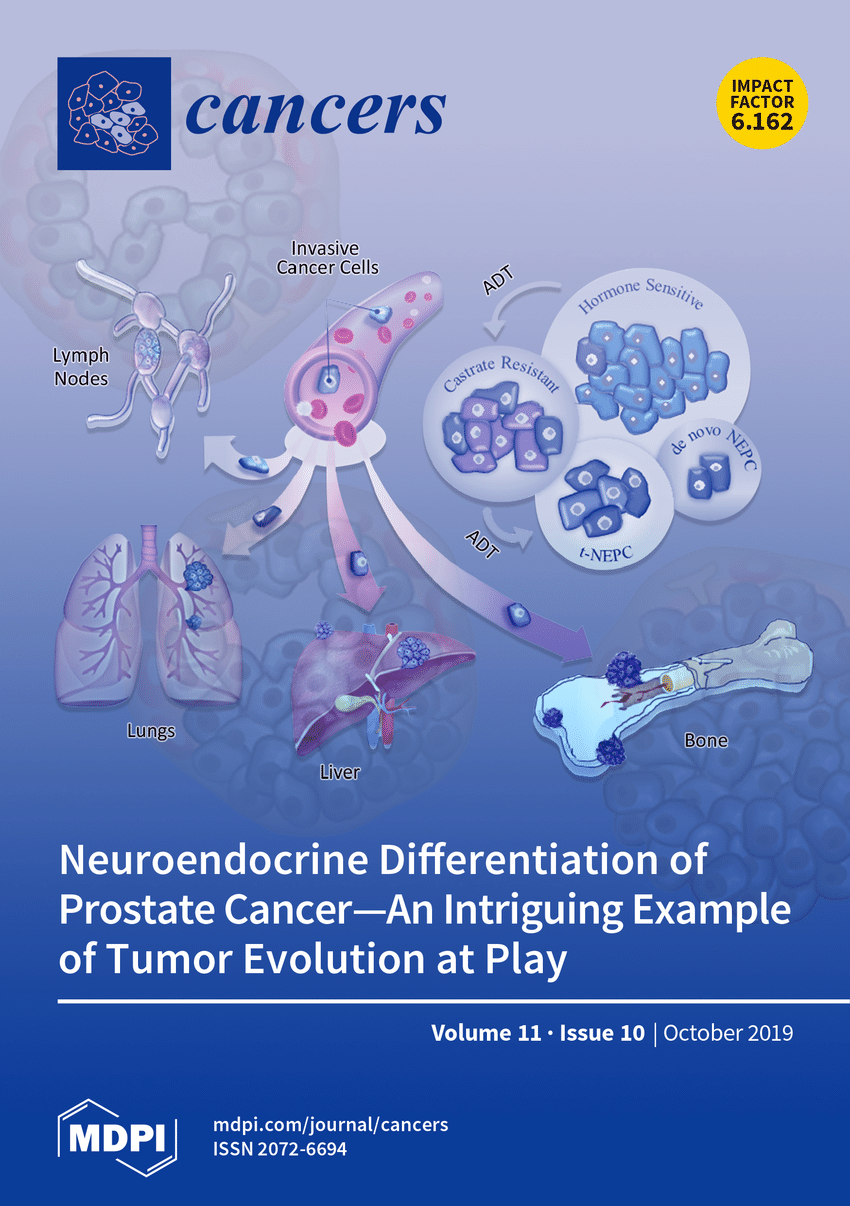
Cancers (ISSN 2072-6694) is an international, peer-reviewed open access journal on oncology. It publishes reviews, regular research papers and short communications. Our aim is to encourage scientists to publish their experimental and theoretical results in as much detail as possible. There is no restriction on the length of the papers. The full experimental details must be provided so that the results can be reproduced.



 京公网安备 11010802042870号
京ICP备2023020795号-1
京公网安备 11010802042870号
京ICP备2023020795号-1

 分享
分享
 求助内容:
求助内容: 应助结果提醒方式:
 扫码关注我们
