Response Surface Methodology for Optimizing Electrocoagolation-based Removal of Polypropylene Microplastics from Wastewater: Efficiency Comparison of Rubber and Thermoplastic-Derived Particles
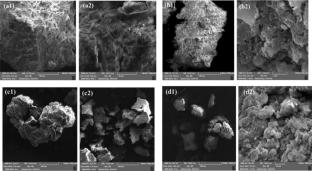
{"title":"Response Surface Methodology for Optimizing Electrocoagolation-based Removal of Polypropylene Microplastics from Wastewater: Efficiency Comparison of Rubber and Thermoplastic-Derived Particles","authors":"Alireza Khanizadeh, Shadi Hassanajili","doi":"10.1007/s11270-025-07938-8","DOIUrl":null,"url":null,"abstract":"<div><p>Microplastics (MPs) pose significant environmental and health risks due to their persistence, ability to adsorb toxic chemicals, and widespread distribution in aquatic environments. Despite advancements in water treatment technologies, finding a method that is not only efficient and effective but also affordable for removing MPs especially polypropylene (PP) MPs from wastewater has been a significant challenge. This study investigates the use of electrocoagulation (EC) as an economical and sustainable solution to address this challenge. Using Central Composite Design (CCD), the EC process was optimized for PP MPs removal, achieving a maximum efficiency of 97% under optimal conditions: a pH of 7.7, current density of 11.7 A/m<sup>2</sup>, and NaCl concentration of 1 g/L. The study also evaluates the impact of factors like particle size, electrode configurations, and MP types, including polyethylene (PE), styrene-butadiene rubber (SBR), and waste rubber (WR), on removal efficiency. Results reveal that all MP types were removed with over 90% efficiency. Notably, MPs derived from thermoplastics like PP and PE were removed more efficiently than rubber-based microparticles like SBR and WR. Moreover, the estimated operational cost of removing PP MPS was approximately $0.23 per cubic meter of treated water, highlighting the cost-effectiveness of EC process for wastewater treatment.</p><h3>Graphical Abstract</h3>\n<div><figure><div><div><picture><source><img></source></picture></div></div></figure></div></div>","PeriodicalId":808,"journal":{"name":"Water, Air, & Soil Pollution","volume":"236 5","pages":""},"PeriodicalIF":3.0000,"publicationDate":"2025-04-05","publicationTypes":"Journal Article","fieldsOfStudy":null,"isOpenAccess":false,"openAccessPdf":"","citationCount":"0","resultStr":null,"platform":"Semanticscholar","paperid":null,"PeriodicalName":"Water, Air, & Soil Pollution","FirstCategoryId":"6","ListUrlMain":"https://link.springer.com/article/10.1007/s11270-025-07938-8","RegionNum":4,"RegionCategory":"环境科学与生态学","ArticlePicture":[],"TitleCN":null,"AbstractTextCN":null,"PMCID":null,"EPubDate":"","PubModel":"","JCR":"Q2","JCRName":"ENVIRONMENTAL SCIENCES","Score":null,"Total":0}
引用次数: 0
Abstract
Microplastics (MPs) pose significant environmental and health risks due to their persistence, ability to adsorb toxic chemicals, and widespread distribution in aquatic environments. Despite advancements in water treatment technologies, finding a method that is not only efficient and effective but also affordable for removing MPs especially polypropylene (PP) MPs from wastewater has been a significant challenge. This study investigates the use of electrocoagulation (EC) as an economical and sustainable solution to address this challenge. Using Central Composite Design (CCD), the EC process was optimized for PP MPs removal, achieving a maximum efficiency of 97% under optimal conditions: a pH of 7.7, current density of 11.7 A/m2, and NaCl concentration of 1 g/L. The study also evaluates the impact of factors like particle size, electrode configurations, and MP types, including polyethylene (PE), styrene-butadiene rubber (SBR), and waste rubber (WR), on removal efficiency. Results reveal that all MP types were removed with over 90% efficiency. Notably, MPs derived from thermoplastics like PP and PE were removed more efficiently than rubber-based microparticles like SBR and WR. Moreover, the estimated operational cost of removing PP MPS was approximately $0.23 per cubic meter of treated water, highlighting the cost-effectiveness of EC process for wastewater treatment.
期刊介绍:
Water, Air, & Soil Pollution is an international, interdisciplinary journal on all aspects of pollution and solutions to pollution in the biosphere. This includes chemical, physical and biological processes affecting flora, fauna, water, air and soil in relation to environmental pollution. Because of its scope, the subject areas are diverse and include all aspects of pollution sources, transport, deposition, accumulation, acid precipitation, atmospheric pollution, metals, aquatic pollution including marine pollution and ground water, waste water, pesticides, soil pollution, sewage, sediment pollution, forestry pollution, effects of pollutants on humans, vegetation, fish, aquatic species, micro-organisms, and animals, environmental and molecular toxicology applied to pollution research, biosensors, global and climate change, ecological implications of pollution and pollution models. Water, Air, & Soil Pollution also publishes manuscripts on novel methods used in the study of environmental pollutants, environmental toxicology, environmental biology, novel environmental engineering related to pollution, biodiversity as influenced by pollution, novel environmental biotechnology as applied to pollution (e.g. bioremediation), environmental modelling and biorestoration of polluted environments.
Articles should not be submitted that are of local interest only and do not advance international knowledge in environmental pollution and solutions to pollution. Articles that simply replicate known knowledge or techniques while researching a local pollution problem will normally be rejected without review. Submitted articles must have up-to-date references, employ the correct experimental replication and statistical analysis, where needed and contain a significant contribution to new knowledge. The publishing and editorial team sincerely appreciate your cooperation.
Water, Air, & Soil Pollution publishes research papers; review articles; mini-reviews; and book reviews.



 京公网安备 11010802042870号
京ICP备2023020795号-1
京公网安备 11010802042870号
京ICP备2023020795号-1

 分享
分享
 求助内容:
求助内容: 应助结果提醒方式:
 扫码关注我们
