{"title":"Effectiveness of second step program in fostering social-emotional skills in young children: a study in Japan.","authors":"Rikuya Hosokawa, Riho Tomozawa, Megumi Fujimoto","doi":"10.1186/s12887-025-05624-6","DOIUrl":null,"url":null,"abstract":"<p><strong>Background: </strong>Interest in social-emotional skills in the context of school maladjustment is growing, and social-emotional learning can help develop such skills. Second Step is a social-emotional skills approach prevalent in several countries. In Asian countries, including Japan, preventive interventions for school maladjustment in young children are scarce, and their effectiveness is not adequately validated. This study examines the effectiveness of the social-emotional learning \"Second Step program\" among children aged 4 to 5 years.</p><p><strong>Methods: </strong>In 2022, the Second Step program was implemented on a class-by-class basis for children aged 4 to 5 years enrolled in middle grades of a kindergarten in Japan. The program included 25 sessions, each lasting one hour on average, approximately once a week. To test the effectiveness of the program, kindergarten teachers assessed the children's social skills. Parents assessed their children's behaviors. Data of 73 children in the intervention group and 91 in the control group were analyzed. The intervention group participated in the Second Step program, while the control group did not participate in any program. Evaluations were conducted before and after the intervention program.</p><p><strong>Results: </strong>Children in the intervention group displayed significantly greater assertiveness, self-control, and cooperation scores following program implementation compared with those in the control group. They also showed significantly lower scores on behavioral problems compared with those in the control group and before the program. The intervention had a meaningful impact on both social competencies and behavioral outcomes. Specifically, the effect sizes for social competencies in the intervention group were moderate to large, reflecting substantial improvements.</p><p><strong>Conclusions: </strong>The social-emotional learning Second Step program implemented on a classroom basis may be effective in early childhood. An early approach targeting kindergarten-aged children is necessary to prevent school maladjustment.</p>","PeriodicalId":9144,"journal":{"name":"BMC Pediatrics","volume":"25 1","pages":"276"},"PeriodicalIF":2.0000,"publicationDate":"2025-04-04","publicationTypes":"Journal Article","fieldsOfStudy":null,"isOpenAccess":false,"openAccessPdf":"https://www.ncbi.nlm.nih.gov/pmc/articles/PMC11969974/pdf/","citationCount":"0","resultStr":null,"platform":"Semanticscholar","paperid":null,"PeriodicalName":"BMC Pediatrics","FirstCategoryId":"3","ListUrlMain":"https://doi.org/10.1186/s12887-025-05624-6","RegionNum":3,"RegionCategory":"医学","ArticlePicture":[],"TitleCN":null,"AbstractTextCN":null,"PMCID":null,"EPubDate":"","PubModel":"","JCR":"Q2","JCRName":"PEDIATRICS","Score":null,"Total":0}
引用次数: 0
Abstract
Background: Interest in social-emotional skills in the context of school maladjustment is growing, and social-emotional learning can help develop such skills. Second Step is a social-emotional skills approach prevalent in several countries. In Asian countries, including Japan, preventive interventions for school maladjustment in young children are scarce, and their effectiveness is not adequately validated. This study examines the effectiveness of the social-emotional learning "Second Step program" among children aged 4 to 5 years.
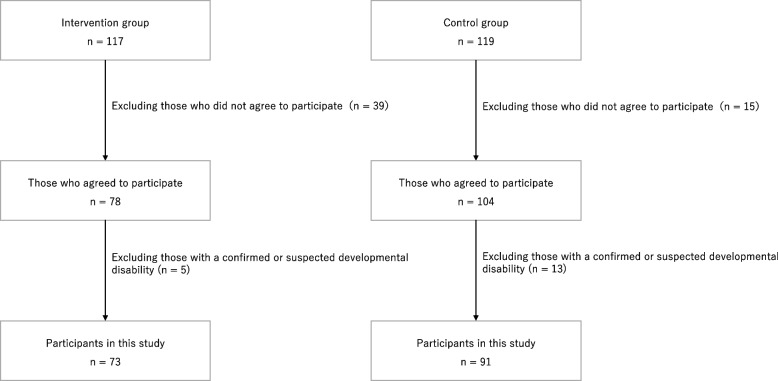
Methods: In 2022, the Second Step program was implemented on a class-by-class basis for children aged 4 to 5 years enrolled in middle grades of a kindergarten in Japan. The program included 25 sessions, each lasting one hour on average, approximately once a week. To test the effectiveness of the program, kindergarten teachers assessed the children's social skills. Parents assessed their children's behaviors. Data of 73 children in the intervention group and 91 in the control group were analyzed. The intervention group participated in the Second Step program, while the control group did not participate in any program. Evaluations were conducted before and after the intervention program.
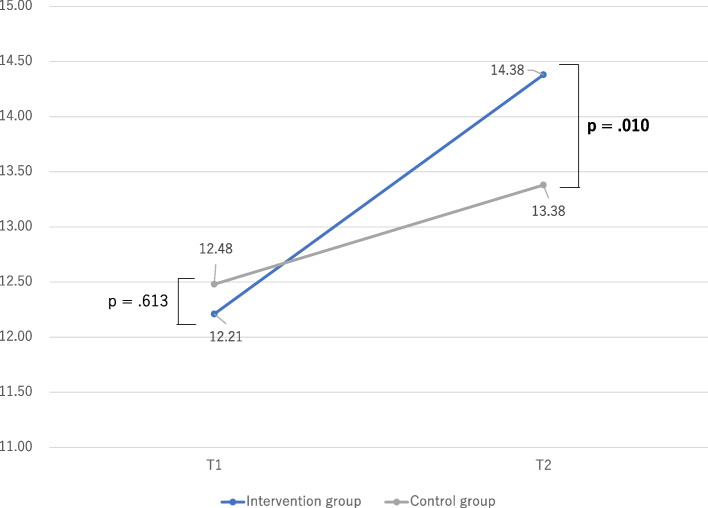
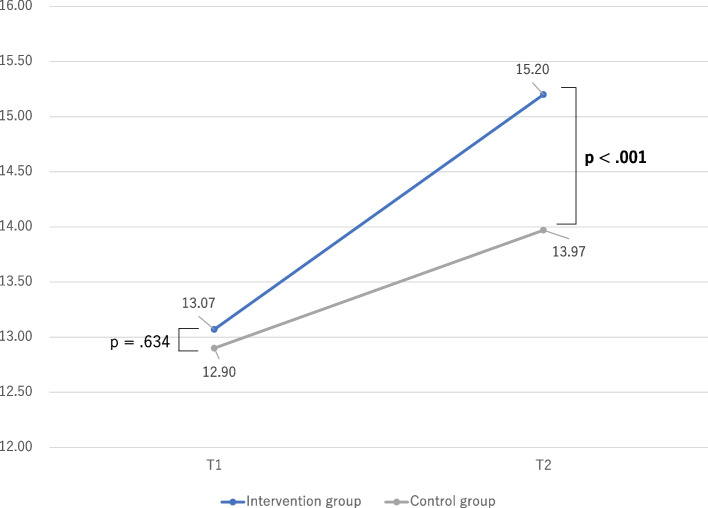
Results: Children in the intervention group displayed significantly greater assertiveness, self-control, and cooperation scores following program implementation compared with those in the control group. They also showed significantly lower scores on behavioral problems compared with those in the control group and before the program. The intervention had a meaningful impact on both social competencies and behavioral outcomes. Specifically, the effect sizes for social competencies in the intervention group were moderate to large, reflecting substantial improvements.
Conclusions: The social-emotional learning Second Step program implemented on a classroom basis may be effective in early childhood. An early approach targeting kindergarten-aged children is necessary to prevent school maladjustment.
期刊介绍:
BMC Pediatrics is an open access journal publishing peer-reviewed research articles in all aspects of health care in neonates, children and adolescents, as well as related molecular genetics, pathophysiology, and epidemiology.



 京公网安备 11010802042870号
京ICP备2023020795号-1
京公网安备 11010802042870号
京ICP备2023020795号-1

 分享
分享
 求助内容:
求助内容: 应助结果提醒方式:
 扫码关注我们
