{"title":"Adrenocortical activity and emotion regulation.","authors":"K Stansbury, M R Gunnar","doi":"","DOIUrl":null,"url":null,"abstract":"<p><p>Activity of the HPA system does appear to be related to emotion regulation processes in children. The conditions known to modulate HPA activity in animals, adults, and children correspond well to the behavioral strategies often discussed in the domain of emotion regulation. Individual differences in emotion processes related to negative emotion temperaments appear to be associated with individual differences in HPA reactivity among normally developing children, with both fearful, inhibited temperaments and distressed, angry temperaments being associated with greater HPA reactivity. Among children exhibiting behavior problems in the clinical range, however, it may be the \"internalizing\" patterns that are associated with greater HPA reactivity. The body of research concerning the psychobiology of the HPA system strongly suggests that associations between emotion regulation styles and HPA activity are not merely correlations, that they do indeed reflect potential causal connections. HPA activation and regulation has been shown in animals both to influence and to be influenced by emotions and their corresponding behavioral and psychological processes. Despite a reasonable body of research that now exists on children, many questions regarding the relations between HPA activity and emotion processes remain to be examined. In addressing these questions, it may be useful to consider several periods of the HPA response. Most of the work on children involves the interrelations between emotion and adrenocortical systems during the first 10-15 min of the stress response. This would include the initial activation of the system and the subsequent emotion and physiological processes involved in continuing or terminating the response. Little attention has been paid to more slowly developing effects of HPA activity on the central nervous system in children, particularly with regard to its influence on children's memories for stressful events and the emotion regulation strategies that they employed during the event. Studies of change or continuity of these interconnections over several exposures to a stressor, as well as between earlier and later points in the activation and regulation process, will be especially important to our understanding of the regulation of affective behavior.</p>","PeriodicalId":55972,"journal":{"name":"Monographs of the Society for Research in Child Development","volume":"59 2-3","pages":"108-34"},"PeriodicalIF":6.2000,"publicationDate":"1994-01-01","publicationTypes":"Journal Article","fieldsOfStudy":null,"isOpenAccess":false,"openAccessPdf":"","citationCount":"0","resultStr":null,"platform":"Semanticscholar","paperid":null,"PeriodicalName":"Monographs of the Society for Research in Child Development","FirstCategoryId":"102","ListUrlMain":"","RegionNum":1,"RegionCategory":"心理学","ArticlePicture":[],"TitleCN":null,"AbstractTextCN":null,"PMCID":null,"EPubDate":"","PubModel":"","JCR":"Q1","JCRName":"PSYCHOLOGY, DEVELOPMENTAL","Score":null,"Total":0}
引用次数: 0
Abstract
Activity of the HPA system does appear to be related to emotion regulation processes in children. The conditions known to modulate HPA activity in animals, adults, and children correspond well to the behavioral strategies often discussed in the domain of emotion regulation. Individual differences in emotion processes related to negative emotion temperaments appear to be associated with individual differences in HPA reactivity among normally developing children, with both fearful, inhibited temperaments and distressed, angry temperaments being associated with greater HPA reactivity. Among children exhibiting behavior problems in the clinical range, however, it may be the "internalizing" patterns that are associated with greater HPA reactivity. The body of research concerning the psychobiology of the HPA system strongly suggests that associations between emotion regulation styles and HPA activity are not merely correlations, that they do indeed reflect potential causal connections. HPA activation and regulation has been shown in animals both to influence and to be influenced by emotions and their corresponding behavioral and psychological processes. Despite a reasonable body of research that now exists on children, many questions regarding the relations between HPA activity and emotion processes remain to be examined. In addressing these questions, it may be useful to consider several periods of the HPA response. Most of the work on children involves the interrelations between emotion and adrenocortical systems during the first 10-15 min of the stress response. This would include the initial activation of the system and the subsequent emotion and physiological processes involved in continuing or terminating the response. Little attention has been paid to more slowly developing effects of HPA activity on the central nervous system in children, particularly with regard to its influence on children's memories for stressful events and the emotion regulation strategies that they employed during the event. Studies of change or continuity of these interconnections over several exposures to a stressor, as well as between earlier and later points in the activation and regulation process, will be especially important to our understanding of the regulation of affective behavior.
期刊介绍:
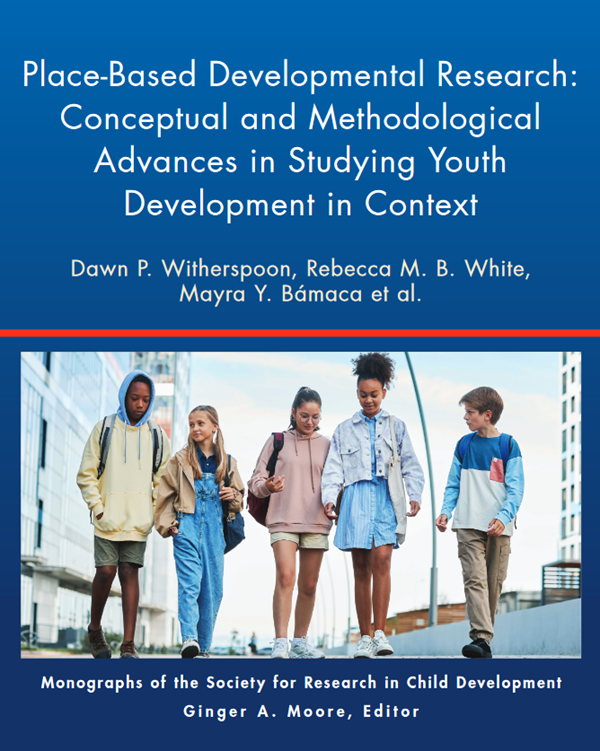
Since 1935, Monographs of the Society for Research in Child Development has been a platform for presenting in-depth research studies and significant findings in child development and related disciplines. Each issue features a single study or a collection of papers on a unified theme, often complemented by commentary and discussion. In alignment with all Society for Research in Child Development (SRCD) publications, the Monographs facilitate the exchange of data, techniques, research methods, and conclusions among development specialists across diverse disciplines. Subscribing to the Monographs series also includes a full subscription (6 issues) to Child Development, the flagship journal of the SRCD, and Child Development Perspectives, the newest journal from the SRCD.
 分享
分享



 京公网安备 11010802042870号
京ICP备2023020795号-1
京公网安备 11010802042870号
京ICP备2023020795号-1

 求助内容:
求助内容: 应助结果提醒方式:
 扫码关注我们
