Massage for Combat Injuries in Veteran with Undisclosed PTSD: a Retrospective Case Report.
Pub Date : 2021-03-01
Mica Rosenow, Niki Munk
{"title":"Massage for Combat Injuries in Veteran with Undisclosed PTSD: a Retrospective Case Report.","authors":"Mica Rosenow, Niki Munk","doi":"","DOIUrl":null,"url":null,"abstract":"<p><strong>Introduction: </strong>Massage has shown promise in reducing symptoms related to dissociation and anxiety that can exacerbate chronic pain and suffering. The combat wounded, veteran population is increasing and requires a multidisciplinary approach for comprehensive treatment. This case study examines massage therapy use to improve veteran combat injury rehabilitation and recovery experience through purposive, retrospective, and comprehensive SOAP note review.</p><p><strong>Methods: </strong>A 31-year-old White male received seven, 60-min, full body massages for combat related shoulder injury complications incurred approximately six years before presentation. The right shoulder sustained a broken humeral head and complete dislocation during a defensive maneuver in a life-threatening attack. This case study utilized data from three different assessments: goniometric measurements for shoulder range of motion, observation and documentation for environmental comfort behaviors, and client self-report for treatment goal attainment. Six weekly, full body, 60-min massages were completed sequentially. A follow-up 60-min treatment was completed at Week 8. Treatment to the injured area included focused trigger point therapy, myofascial release, and proprioceptive neuromuscular facilitation to the neck, shoulder, and chest.</p><p><strong>Results: </strong>Total percent change for active flexion, extension, abduction, adduction, internal rotation, and external rotation were 12.5, 150, 40, 167, 14.3, and 0%, respectively. Total percent change for passive flexion, extension, abduction, adduction, internal rotation, and external rotation were 63.6, 350, 66.7, 450, 133, and 77.8%, respectively. Environmental comfort behaviors were reduced. Client treatment goals were attained.</p><p><strong>Conclusions: </strong>Massage therapy provided meaningful benefit to a combat injury for a veteran with PTSD.</p>","PeriodicalId":73483,"journal":{"name":"","volume":"14 1","pages":"4-11"},"PeriodicalIF":0.0,"publicationDate":"2021-03-01","publicationTypes":"Journal Article","fieldsOfStudy":null,"isOpenAccess":false,"openAccessPdf":"https://www.ncbi.nlm.nih.gov/pmc/articles/PMC7892331/pdf/","citationCount":"0","resultStr":null,"platform":"Semanticscholar","paperid":null,"PeriodicalName":"","FirstCategoryId":"1085","ListUrlMain":"","RegionNum":0,"RegionCategory":null,"ArticlePicture":[],"TitleCN":null,"AbstractTextCN":null,"PMCID":null,"EPubDate":"","PubModel":"","JCR":"","JCRName":"","Score":null,"Total":0}
引用次数: 0
Abstract
Introduction: Massage has shown promise in reducing symptoms related to dissociation and anxiety that can exacerbate chronic pain and suffering. The combat wounded, veteran population is increasing and requires a multidisciplinary approach for comprehensive treatment. This case study examines massage therapy use to improve veteran combat injury rehabilitation and recovery experience through purposive, retrospective, and comprehensive SOAP note review.
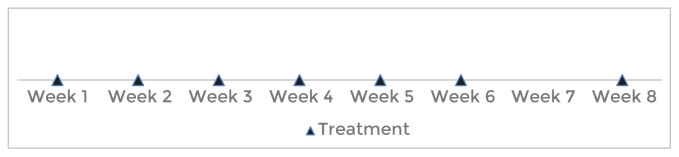
Methods: A 31-year-old White male received seven, 60-min, full body massages for combat related shoulder injury complications incurred approximately six years before presentation. The right shoulder sustained a broken humeral head and complete dislocation during a defensive maneuver in a life-threatening attack. This case study utilized data from three different assessments: goniometric measurements for shoulder range of motion, observation and documentation for environmental comfort behaviors, and client self-report for treatment goal attainment. Six weekly, full body, 60-min massages were completed sequentially. A follow-up 60-min treatment was completed at Week 8. Treatment to the injured area included focused trigger point therapy, myofascial release, and proprioceptive neuromuscular facilitation to the neck, shoulder, and chest.
Results: Total percent change for active flexion, extension, abduction, adduction, internal rotation, and external rotation were 12.5, 150, 40, 167, 14.3, and 0%, respectively. Total percent change for passive flexion, extension, abduction, adduction, internal rotation, and external rotation were 63.6, 350, 66.7, 450, 133, and 77.8%, respectively. Environmental comfort behaviors were reduced. Client treatment goals were attained.
Conclusions: Massage therapy provided meaningful benefit to a combat injury for a veteran with PTSD.
 分享
分享



 京公网安备 11010802042870号
京ICP备2023020795号-1
京公网安备 11010802042870号
京ICP备2023020795号-1

 求助内容:
求助内容: 应助结果提醒方式:
 扫码关注我们
