Matt C Biery, Alyssa Noll, Carrie Myers, Shelli M Morris, Conrad A Winter, Fiona Pakiam, Bonnie L Cole, Samuel R Browd, James M Olson, Nicholas A Vitanza
{"title":"A Protocol for the Generation of Treatment-naïve Biopsy-derived Diffuse Intrinsic Pontine Glioma and Diffuse Midline Glioma Models.","authors":"Matt C Biery, Alyssa Noll, Carrie Myers, Shelli M Morris, Conrad A Winter, Fiona Pakiam, Bonnie L Cole, Samuel R Browd, James M Olson, Nicholas A Vitanza","doi":"10.33696//Neurol.1.025","DOIUrl":null,"url":null,"abstract":"<p><p>Diffuse intrinsic pontine glioma (DIPG) is a universally fatal tumor of the brainstem, most commonly affecting young children. Due to its location, surgical resection is not achievable, but consideration of a biopsy has become standard practice at children's hospitals with the appropriate neurosurgical expertise. While the decision to obtain a biopsy should be directed by the presence of atypical radiographic features that call the diagnosis of DIPG into question or the requirement of biopsy tissue for clinical trial enrollment, once this precious tissue is available its use for research should be considered. The majority of DIPG and diffuse midline glioma, H3 K27M-mutant (DMG) models are autopsy-derived or genetically-engineered, each of which has limitations for translational studies, so the use of biopsy tissue for laboratory model development provides an opportunity to create unique model systems. Here, we present a detailed laboratory protocol for the generation of treatment-naïve biopsy-derived DIPG/DMG models.</p>","PeriodicalId":73744,"journal":{"name":"Journal of experimental neurology","volume":"1 4","pages":"158-167"},"PeriodicalIF":0.0000,"publicationDate":"2020-12-01","publicationTypes":"Journal Article","fieldsOfStudy":null,"isOpenAccess":false,"openAccessPdf":"https://www.ncbi.nlm.nih.gov/pmc/articles/PMC7990285/pdf/","citationCount":"0","resultStr":null,"platform":"Semanticscholar","paperid":null,"PeriodicalName":"Journal of experimental neurology","FirstCategoryId":"1085","ListUrlMain":"https://doi.org/10.33696//Neurol.1.025","RegionNum":0,"RegionCategory":null,"ArticlePicture":[],"TitleCN":null,"AbstractTextCN":null,"PMCID":null,"EPubDate":"","PubModel":"","JCR":"","JCRName":"","Score":null,"Total":0}
引用次数: 0
Abstract
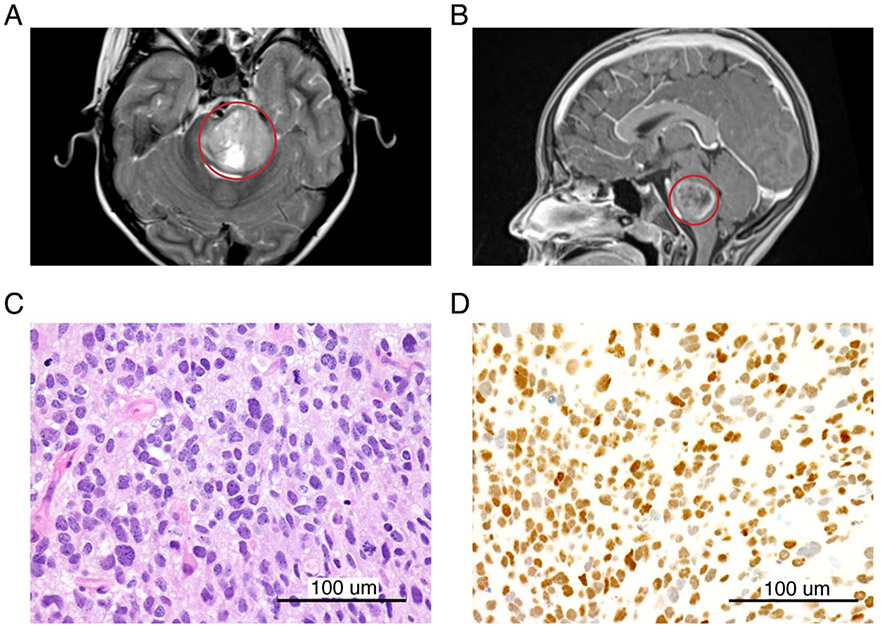
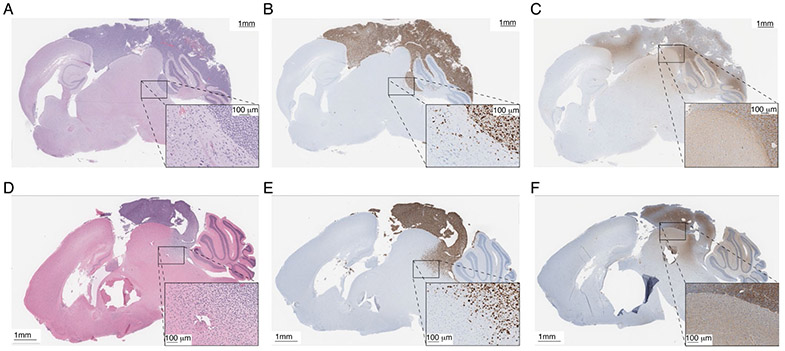
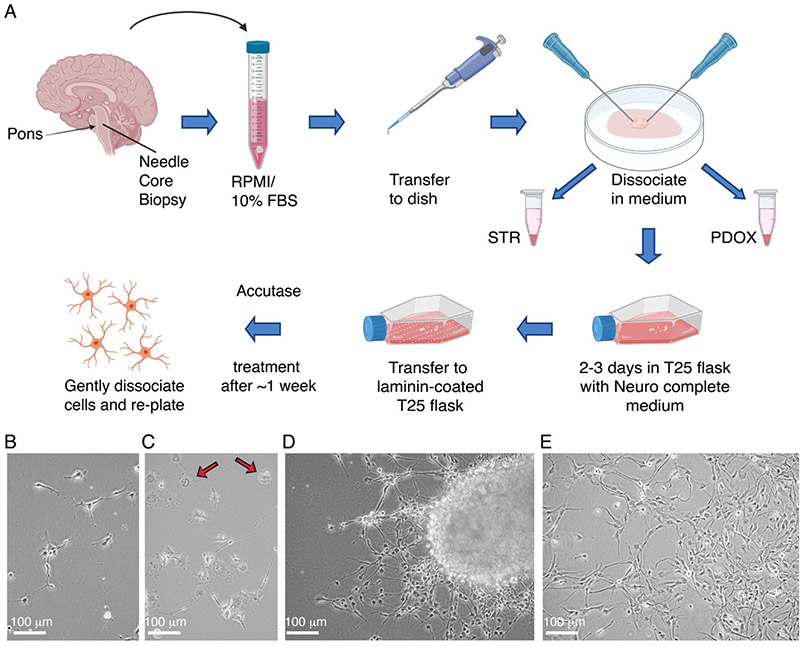
Diffuse intrinsic pontine glioma (DIPG) is a universally fatal tumor of the brainstem, most commonly affecting young children. Due to its location, surgical resection is not achievable, but consideration of a biopsy has become standard practice at children's hospitals with the appropriate neurosurgical expertise. While the decision to obtain a biopsy should be directed by the presence of atypical radiographic features that call the diagnosis of DIPG into question or the requirement of biopsy tissue for clinical trial enrollment, once this precious tissue is available its use for research should be considered. The majority of DIPG and diffuse midline glioma, H3 K27M-mutant (DMG) models are autopsy-derived or genetically-engineered, each of which has limitations for translational studies, so the use of biopsy tissue for laboratory model development provides an opportunity to create unique model systems. Here, we present a detailed laboratory protocol for the generation of treatment-naïve biopsy-derived DIPG/DMG models.



 京公网安备 11010802042870号
京ICP备2023020795号-1
京公网安备 11010802042870号
京ICP备2023020795号-1

 分享
分享

 求助内容:
求助内容: 应助结果提醒方式:
 扫码关注我们
