Beneficial effects of ethyl pyruvate through inhibiting high-mobility group box 1 expression and TLR4/NF-κB pathway after traumatic brain injury in the rat.
Xingfen Su, Handong Wang, Jinbing Zhao, Hao Pan, Lei Mao
{"title":"Beneficial effects of ethyl pyruvate through inhibiting high-mobility group box 1 expression and TLR4/NF-κB pathway after traumatic brain injury in the rat.","authors":"Xingfen Su, Handong Wang, Jinbing Zhao, Hao Pan, Lei Mao","doi":"10.1155/2011/807142","DOIUrl":null,"url":null,"abstract":"<p><p>Ethyl pyruvate (EP) has demonstrated neuroprotective effects against acute brain injury through its anti-inflammatory action. The nuclear protein high-mobility group box 1 (HMGB1) can activate inflammatory pathways when released from dying cells. This study was designed to investigate the protective effects of EP against secondary brain injury in rats after Traumatic Brain Injury (TBI). Adult male rats were randomly divided into three groups: (1) Sham + vehicle group, (2) TBI + vehicle group, and (3) TBI + EP group (n = 30 per group). Right parietal cortical contusion was made by using a weight-dropping TBI method. In TBI + EP group, EP was administered intraperitoneally at a dosage of 75 mg/kg at 5 min, 1 and 6 h after TBI. Brain samples were harvested at 24 h after TBI. We found that EP treatment markedly inhibited the expressions of HMGB1 and TLR4, NF-κB DNA binding activity and inflammatory mediators, such as IL-1β, TNF-α and IL-6. Also, EP treatment significantly ameliorated beam walking performance, brain edema, and cortical apoptotic cell death. These results suggest that the protective effects of EP may be mediated by the reduction of HMGB1/TLR4/NF-κB-mediated inflammatory response in the injured rat brain.</p>","PeriodicalId":18371,"journal":{"name":"Mediators of Inflammation","volume":"2011 ","pages":"807142"},"PeriodicalIF":4.2000,"publicationDate":"2011-01-01","publicationTypes":"Journal Article","fieldsOfStudy":null,"isOpenAccess":false,"openAccessPdf":"https://sci-hub-pdf.com/10.1155/2011/807142","citationCount":"108","resultStr":null,"platform":"Semanticscholar","paperid":null,"PeriodicalName":"Mediators of Inflammation","FirstCategoryId":"3","ListUrlMain":"https://doi.org/10.1155/2011/807142","RegionNum":3,"RegionCategory":"医学","ArticlePicture":[],"TitleCN":null,"AbstractTextCN":null,"PMCID":null,"EPubDate":"2011/6/16 0:00:00","PubModel":"Epub","JCR":"Q2","JCRName":"CELL BIOLOGY","Score":null,"Total":0}
引用次数: 108
Abstract
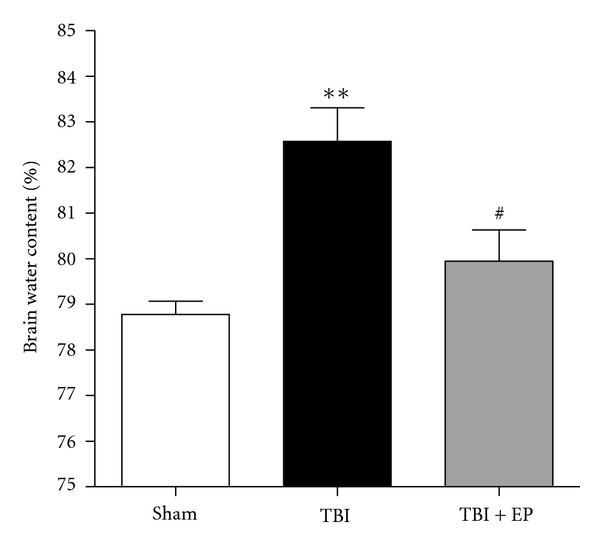
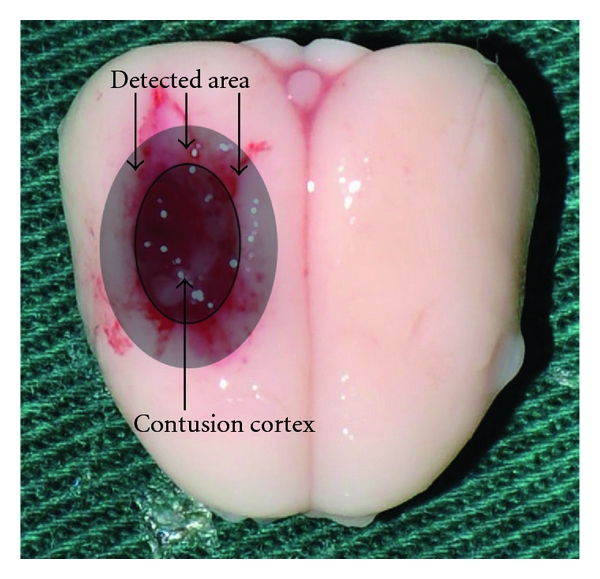
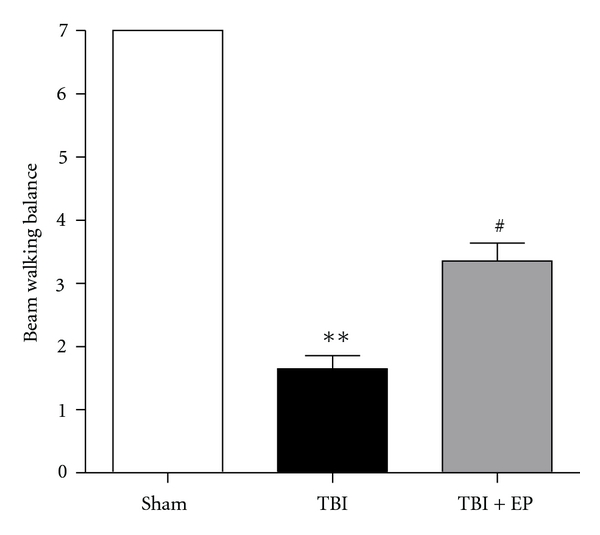
Ethyl pyruvate (EP) has demonstrated neuroprotective effects against acute brain injury through its anti-inflammatory action. The nuclear protein high-mobility group box 1 (HMGB1) can activate inflammatory pathways when released from dying cells. This study was designed to investigate the protective effects of EP against secondary brain injury in rats after Traumatic Brain Injury (TBI). Adult male rats were randomly divided into three groups: (1) Sham + vehicle group, (2) TBI + vehicle group, and (3) TBI + EP group (n = 30 per group). Right parietal cortical contusion was made by using a weight-dropping TBI method. In TBI + EP group, EP was administered intraperitoneally at a dosage of 75 mg/kg at 5 min, 1 and 6 h after TBI. Brain samples were harvested at 24 h after TBI. We found that EP treatment markedly inhibited the expressions of HMGB1 and TLR4, NF-κB DNA binding activity and inflammatory mediators, such as IL-1β, TNF-α and IL-6. Also, EP treatment significantly ameliorated beam walking performance, brain edema, and cortical apoptotic cell death. These results suggest that the protective effects of EP may be mediated by the reduction of HMGB1/TLR4/NF-κB-mediated inflammatory response in the injured rat brain.
期刊介绍:
Mediators of Inflammation is a peer-reviewed, Open Access journal that publishes original research and review articles on all types of inflammatory mediators, including cytokines, histamine, bradykinin, prostaglandins, leukotrienes, PAF, biological response modifiers and the family of cell adhesion-promoting molecules.



 京公网安备 11010802042870号
京ICP备2023020795号-1
京公网安备 11010802042870号
京ICP备2023020795号-1

 分享
分享
 求助内容:
求助内容: 应助结果提醒方式:
 扫码关注我们
