Selective decontamination of the digestive tract in critically ill patients treated in intensive care units: a mixed-methods feasibility study (the SuDDICU study).
Jill J Francis, Eilidh M Duncan, Maria E Prior, Graeme S Maclennan, Stephan Dombrowski, Geoff U Bellingan, Marion K Campbell, Martin P Eccles, Louise Rose, Kathryn M Rowan, Rob Shulman, A Peter R Wilson, Brian H Cuthbertson
{"title":"Selective decontamination of the digestive tract in critically ill patients treated in intensive care units: a mixed-methods feasibility study (the SuDDICU study).","authors":"Jill J Francis, Eilidh M Duncan, Maria E Prior, Graeme S Maclennan, Stephan Dombrowski, Geoff U Bellingan, Marion K Campbell, Martin P Eccles, Louise Rose, Kathryn M Rowan, Rob Shulman, A Peter R Wilson, Brian H Cuthbertson","doi":"10.3310/hta18250","DOIUrl":null,"url":null,"abstract":"<p><strong>Background: </strong>Hospital-acquired infections (HAIs) are a major cause of morbidity and mortality. Critically ill patients in intensive care units (ICUs) are particularly susceptible to these infections. One intervention that has gained much attention in reducing HAIs is selective decontamination of the digestive tract (SDD). SDD involves the application of topical non-absorbable antibiotics to the oropharynx and stomach and a short course of intravenous (i.v.) antibiotics. SDD may reduce infections and improve mortality, but has not been widely adopted in the UK or internationally. Hence, there is a need to identify the reasons for low uptake and whether or not further clinical research is needed before wider implementation would be considered appropriate.</p><p><strong>Objectives: </strong>The project objectives were to (1) identify and describe the SDD intervention, (2) identify views about the evidence base, (3) identify acceptability of further research and (4) identify feasibility of further randomised controlled trials (RCTs).</p><p><strong>Design: </strong>A four-stage approach involving (1) case studies of two ICUs in which SDD is delivered including observations, interviews and documentary analysis, (2) a three-round Delphi study for in-depth investigation of clinicians' views, including semi-structured interviews and two iterations of questionnaires with structured feedback, (3) a nationwide online survey of consultants in intensive care medicine and clinical microbiology and (4) semistructured interviews with international clinical triallists to identify the feasibility of further research.</p><p><strong>Setting: </strong>Case studies were set in two UK ICUs. Other stages of this research were conducted by telephone and online with NHS staff working in ICUs.</p><p><strong>Participants: </strong>(1) Staff involved in SDD adoption or delivery in two UK ICUs, (2) ICU experts (intensive care consultants, clinical microbiologists, hospital pharmacists and ICU clinical leads), (3) all intensive care consultants and clinical microbiologists in the UK with responsibility for patients in ICUs were invited and (4) international triallists, selected from their research profiles in intensive care, clinical trials and/or implementation trials.</p><p><strong>Interventions: </strong>SDD involves the application of topical non-absorbable antibiotics to the oropharynx and stomach and a short course of i.v. antibiotics.</p><p><strong>Main outcome measures: </strong>Levels of support for, or opposition to, SDD in UK ICUs; views about the SDD evidence base and about barriers to implementation; and feasibility of further SDD research (e.g. likely participation rates).</p><p><strong>Results: </strong>(1) The two case studies identified complexity in the interplay of clinical and behavioural components of SDD, involving multiple staff. However, from the perspective of individual staff, delivery of SDD was regarded as simple and straightforward. (2) The Delphi study (n = 42) identified (a) specific barriers to SDD implementation, (b) uncertainty about the evidence base and (c) bimodal distributions for key variables, e.g. support for, or opposition to, SDD. (3) The national survey (n = 468) identified uncertainty about the effect of SDD on antimicrobial resistance, infection rates, mortality and cost-effectiveness. Most participants would participate in further SDD research. (4) The triallist interviews (n = 10) focused largely on the substantial challenges of conducting a large, multinational clinical effectiveness trial.</p><p><strong>Conclusions: </strong>There was considerable uncertainty about possible benefits and harms of SDD. Further large-scale clinical effectiveness trials of SDD in ICUs may be required to address these uncertainties, especially relating to antimicrobial resistance. There was a general willingness to participate in a future effectiveness RCT of SDD. However, support was not unanimous. Future research should address the barriers to acceptance and participation in any trial. There was some, but a low level of, interest in adoption of SDD, or studies to encourage implementation of SDD into practice.</p><p><strong>Funding: </strong>This project was funded by the NIHR Health Technology Assessment programme and will be published in full in Health Technology Assessment; Vol. 18, No. 25. See the NIHR Journals Library website for further project information.</p>","PeriodicalId":12898,"journal":{"name":"Health technology assessment","volume":"18 25","pages":"1-170"},"PeriodicalIF":4.0000,"publicationDate":"2014-04-01","publicationTypes":"Journal Article","fieldsOfStudy":null,"isOpenAccess":false,"openAccessPdf":"https://www.ncbi.nlm.nih.gov/pmc/articles/PMC4967810/pdf/","citationCount":"0","resultStr":null,"platform":"Semanticscholar","paperid":null,"PeriodicalName":"Health technology assessment","FirstCategoryId":"3","ListUrlMain":"https://doi.org/10.3310/hta18250","RegionNum":2,"RegionCategory":"医学","ArticlePicture":[],"TitleCN":null,"AbstractTextCN":null,"PMCID":null,"EPubDate":"","PubModel":"","JCR":"Q1","JCRName":"HEALTH CARE SCIENCES & SERVICES","Score":null,"Total":0}
引用次数: 0
Abstract
Background: Hospital-acquired infections (HAIs) are a major cause of morbidity and mortality. Critically ill patients in intensive care units (ICUs) are particularly susceptible to these infections. One intervention that has gained much attention in reducing HAIs is selective decontamination of the digestive tract (SDD). SDD involves the application of topical non-absorbable antibiotics to the oropharynx and stomach and a short course of intravenous (i.v.) antibiotics. SDD may reduce infections and improve mortality, but has not been widely adopted in the UK or internationally. Hence, there is a need to identify the reasons for low uptake and whether or not further clinical research is needed before wider implementation would be considered appropriate.
Objectives: The project objectives were to (1) identify and describe the SDD intervention, (2) identify views about the evidence base, (3) identify acceptability of further research and (4) identify feasibility of further randomised controlled trials (RCTs).
Design: A four-stage approach involving (1) case studies of two ICUs in which SDD is delivered including observations, interviews and documentary analysis, (2) a three-round Delphi study for in-depth investigation of clinicians' views, including semi-structured interviews and two iterations of questionnaires with structured feedback, (3) a nationwide online survey of consultants in intensive care medicine and clinical microbiology and (4) semistructured interviews with international clinical triallists to identify the feasibility of further research.
Setting: Case studies were set in two UK ICUs. Other stages of this research were conducted by telephone and online with NHS staff working in ICUs.
Participants: (1) Staff involved in SDD adoption or delivery in two UK ICUs, (2) ICU experts (intensive care consultants, clinical microbiologists, hospital pharmacists and ICU clinical leads), (3) all intensive care consultants and clinical microbiologists in the UK with responsibility for patients in ICUs were invited and (4) international triallists, selected from their research profiles in intensive care, clinical trials and/or implementation trials.
Interventions: SDD involves the application of topical non-absorbable antibiotics to the oropharynx and stomach and a short course of i.v. antibiotics.
Main outcome measures: Levels of support for, or opposition to, SDD in UK ICUs; views about the SDD evidence base and about barriers to implementation; and feasibility of further SDD research (e.g. likely participation rates).
Results: (1) The two case studies identified complexity in the interplay of clinical and behavioural components of SDD, involving multiple staff. However, from the perspective of individual staff, delivery of SDD was regarded as simple and straightforward. (2) The Delphi study (n = 42) identified (a) specific barriers to SDD implementation, (b) uncertainty about the evidence base and (c) bimodal distributions for key variables, e.g. support for, or opposition to, SDD. (3) The national survey (n = 468) identified uncertainty about the effect of SDD on antimicrobial resistance, infection rates, mortality and cost-effectiveness. Most participants would participate in further SDD research. (4) The triallist interviews (n = 10) focused largely on the substantial challenges of conducting a large, multinational clinical effectiveness trial.
Conclusions: There was considerable uncertainty about possible benefits and harms of SDD. Further large-scale clinical effectiveness trials of SDD in ICUs may be required to address these uncertainties, especially relating to antimicrobial resistance. There was a general willingness to participate in a future effectiveness RCT of SDD. However, support was not unanimous. Future research should address the barriers to acceptance and participation in any trial. There was some, but a low level of, interest in adoption of SDD, or studies to encourage implementation of SDD into practice.
Funding: This project was funded by the NIHR Health Technology Assessment programme and will be published in full in Health Technology Assessment; Vol. 18, No. 25. See the NIHR Journals Library website for further project information.
期刊介绍:
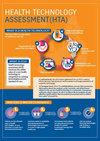
Health Technology Assessment (HTA) publishes research information on the effectiveness, costs and broader impact of health technologies for those who use, manage and provide care in the NHS.



 京公网安备 11010802042870号
京ICP备2023020795号-1
京公网安备 11010802042870号
京ICP备2023020795号-1

 分享
分享
 求助内容:
求助内容: 应助结果提醒方式:
 扫码关注我们
