Mihály Kispál, Levente Zsolt Jánváry, Tímea Balatoni, Stelczer Gábor, Imre Fedorcsák, Bőcs Katalin, István Kenessey, Gabriella Liszkay
{"title":"The Role of Stereotactic Radiotherapy in the Management of Melanoma, A Retrospective Single Institute Preliminary Study of 30 Patients.","authors":"Mihály Kispál, Levente Zsolt Jánváry, Tímea Balatoni, Stelczer Gábor, Imre Fedorcsák, Bőcs Katalin, István Kenessey, Gabriella Liszkay","doi":"10.3389/pore.2022.1610550","DOIUrl":null,"url":null,"abstract":"<p><p>Cutaneous melanoma is the third most common type of skin cancer in the world. The incidence of melanoma is increasing in most countries, however, mortality seems to be slowly decreasing. The treatment of advanced cutaneous melanoma changed radically since 2011. The new therapeutic modalities, such as immuno- and targeted therapies give a chance to successfully reach more prolonged progression-free survival (PFS) and overall survival (OS) in patients with metastatic melanoma. Despite the great therapeutic benefit, most patients eventually develop resistance to these therapies, and the disease will progress. In some cases oligoprogression develops. In those cases local therapy, such as stereotactic radiotherapy can make it possible to continue the previously applied effective medical treatment for the benefit of patients. In our study of a total of 30 patients-20 of them received pre-treatment with systemic medical therapy-received stereotactic radiotherapy using various systems, in the National Institute of Oncology, Hungary, Budapest. We managed to prolong the systemic therapy for 12.5 months median period with the assistance of CyberKnife technique. Therapy related adverse events were mostly tolerable with only 3% of Grade 3 toxicity. We concluded that stereotactic radiotherapy and stereotactic radiosurgery, are safe, and effective therapeutic modalities for regional tumor control in cases of oligoprogression.</p>","PeriodicalId":2,"journal":{"name":"ACS Applied Bio Materials","volume":" ","pages":"1610550"},"PeriodicalIF":4.7000,"publicationDate":"2022-09-08","publicationTypes":"Journal Article","fieldsOfStudy":null,"isOpenAccess":false,"openAccessPdf":"https://www.ncbi.nlm.nih.gov/pmc/articles/PMC9492835/pdf/","citationCount":"0","resultStr":null,"platform":"Semanticscholar","paperid":null,"PeriodicalName":"ACS Applied Bio Materials","FirstCategoryId":"3","ListUrlMain":"https://doi.org/10.3389/pore.2022.1610550","RegionNum":0,"RegionCategory":null,"ArticlePicture":[],"TitleCN":null,"AbstractTextCN":null,"PMCID":null,"EPubDate":"2022/1/1 0:00:00","PubModel":"eCollection","JCR":"Q2","JCRName":"MATERIALS SCIENCE, BIOMATERIALS","Score":null,"Total":0}
引用次数: 0
Abstract
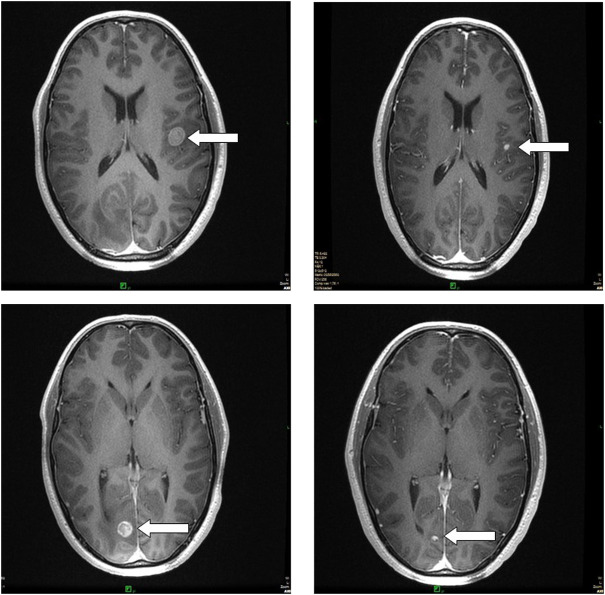
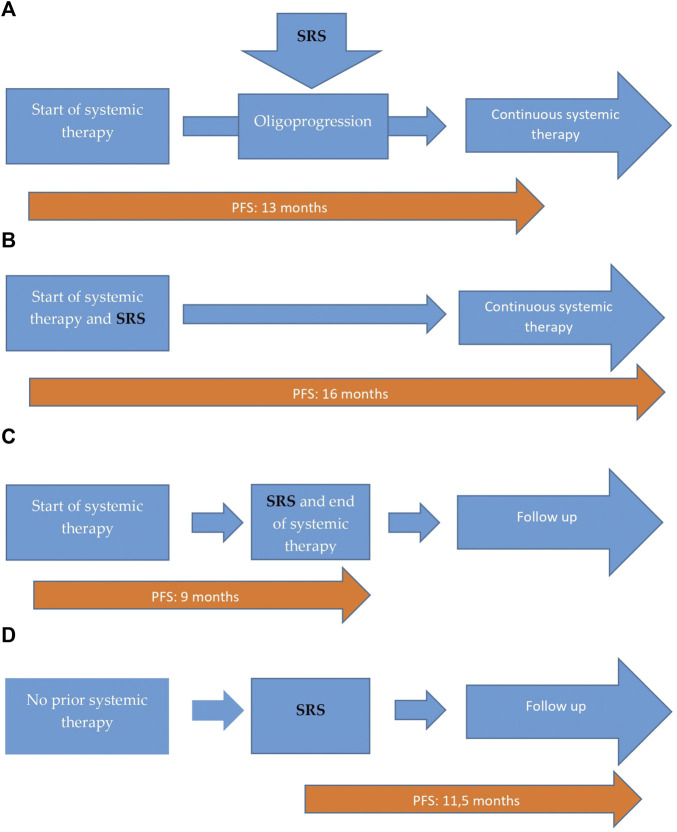
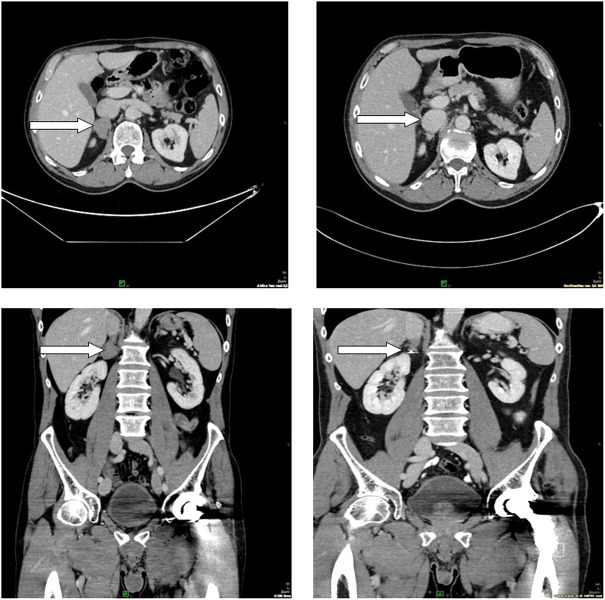
Cutaneous melanoma is the third most common type of skin cancer in the world. The incidence of melanoma is increasing in most countries, however, mortality seems to be slowly decreasing. The treatment of advanced cutaneous melanoma changed radically since 2011. The new therapeutic modalities, such as immuno- and targeted therapies give a chance to successfully reach more prolonged progression-free survival (PFS) and overall survival (OS) in patients with metastatic melanoma. Despite the great therapeutic benefit, most patients eventually develop resistance to these therapies, and the disease will progress. In some cases oligoprogression develops. In those cases local therapy, such as stereotactic radiotherapy can make it possible to continue the previously applied effective medical treatment for the benefit of patients. In our study of a total of 30 patients-20 of them received pre-treatment with systemic medical therapy-received stereotactic radiotherapy using various systems, in the National Institute of Oncology, Hungary, Budapest. We managed to prolong the systemic therapy for 12.5 months median period with the assistance of CyberKnife technique. Therapy related adverse events were mostly tolerable with only 3% of Grade 3 toxicity. We concluded that stereotactic radiotherapy and stereotactic radiosurgery, are safe, and effective therapeutic modalities for regional tumor control in cases of oligoprogression.
期刊介绍:
ACS Applied Bio Materials is an interdisciplinary journal publishing original research covering all aspects of biomaterials and biointerfaces including and beyond the traditional biosensing, biomedical and therapeutic applications.
The journal is devoted to reports of new and original experimental and theoretical research of an applied nature that integrates knowledge in the areas of materials, engineering, physics, bioscience, and chemistry into important bio applications. The journal is specifically interested in work that addresses the relationship between structure and function and assesses the stability and degradation of materials under relevant environmental and biological conditions.




 京公网安备 11010802042870号
京ICP备2023020795号-1
京公网安备 11010802042870号
京ICP备2023020795号-1

 分享
分享
 求助内容:
求助内容: 应助结果提醒方式:
 扫码关注我们
