{"title":"Evaluation of miR-9 and miR-143 expression in urine specimens of sulfur mustard exposed patients.","authors":"Mostafa Khafaei, Shahram Samie, Seyed Javad Mowla, Akbar Ghorbani Alvanegh, Behnaz Mirzaei, Somaye Chavoshei, Ghamar Soltan Dorraj, Mostafa Esmailnejad, Mahmood Tavallaie, Mohammadreza Nourani","doi":"10.1515/intox-2015-0026","DOIUrl":null,"url":null,"abstract":"<p><p>Sulfur mustard (SM) or mustard gas is a chemical alkylating agent that causes blisters in the skin (blister gas), burns the eyes and causes lung injury. Some major cellular pathways are involved in the damage caused by mustard gas such as NF-κb signaling, TGF-β signaling, WNT pathway, inflammation, DNA repair and apoptosis. MicroRNAs are non-coding small RNAs (19-25 nucleotides) that are involved in the regulation of gene expression and are found in two forms, extracellular and intracellular. Changes in the levels of extracellular microRNAs are directly associated with many diseases, it is thus common to study the level of extracellular microRNAs as a biomarker to determine the pathophysiologic status. In this study, 32 mustard gas injured patients and 32healthy subjects participated. Comparative evaluation of miR-9 and miR-143 expression in urine samples was performed by Real Time PCR and Graph Pad software. The Mann Whitney t-test analysis of data showed that the expression level of miR-143 and miR-9 had a significant decrease in sulfur mustard individuals with the respective p-value of 0.0480 and 0.0272 compared to normal samples, with an imbalance of several above mentioned pathways. It seems that reducing the expression level of these genes has a very important role in the pathogenicity of mustard gas injured patients. </p>","PeriodicalId":13715,"journal":{"name":"Interdisciplinary Toxicology","volume":"8 4","pages":"169-74"},"PeriodicalIF":0.0000,"publicationDate":"2015-12-01","publicationTypes":"Journal Article","fieldsOfStudy":null,"isOpenAccess":false,"openAccessPdf":"https://sci-hub-pdf.com/10.1515/intox-2015-0026","citationCount":"9","resultStr":null,"platform":"Semanticscholar","paperid":null,"PeriodicalName":"Interdisciplinary Toxicology","FirstCategoryId":"1085","ListUrlMain":"https://doi.org/10.1515/intox-2015-0026","RegionNum":0,"RegionCategory":null,"ArticlePicture":[],"TitleCN":null,"AbstractTextCN":null,"PMCID":null,"EPubDate":"","PubModel":"","JCR":"Q3","JCRName":"Environmental Science","Score":null,"Total":0}
引用次数: 9
Abstract
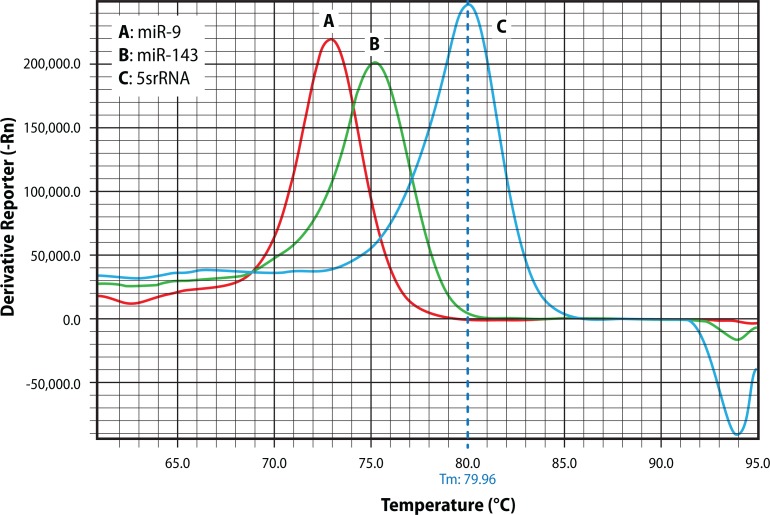
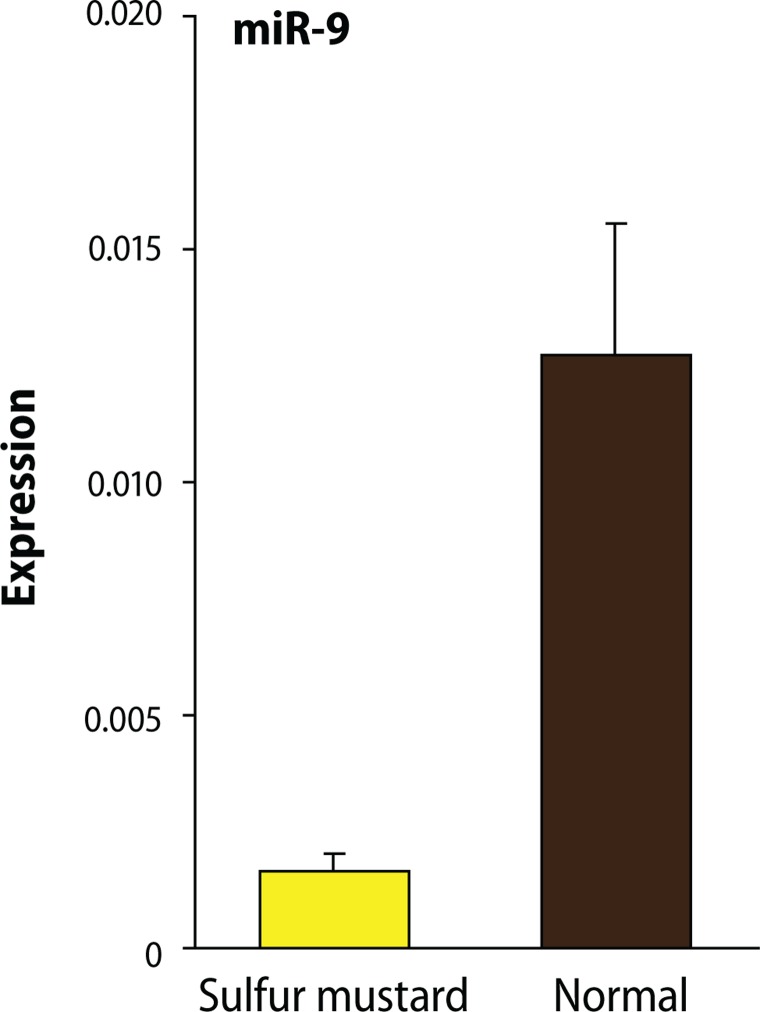
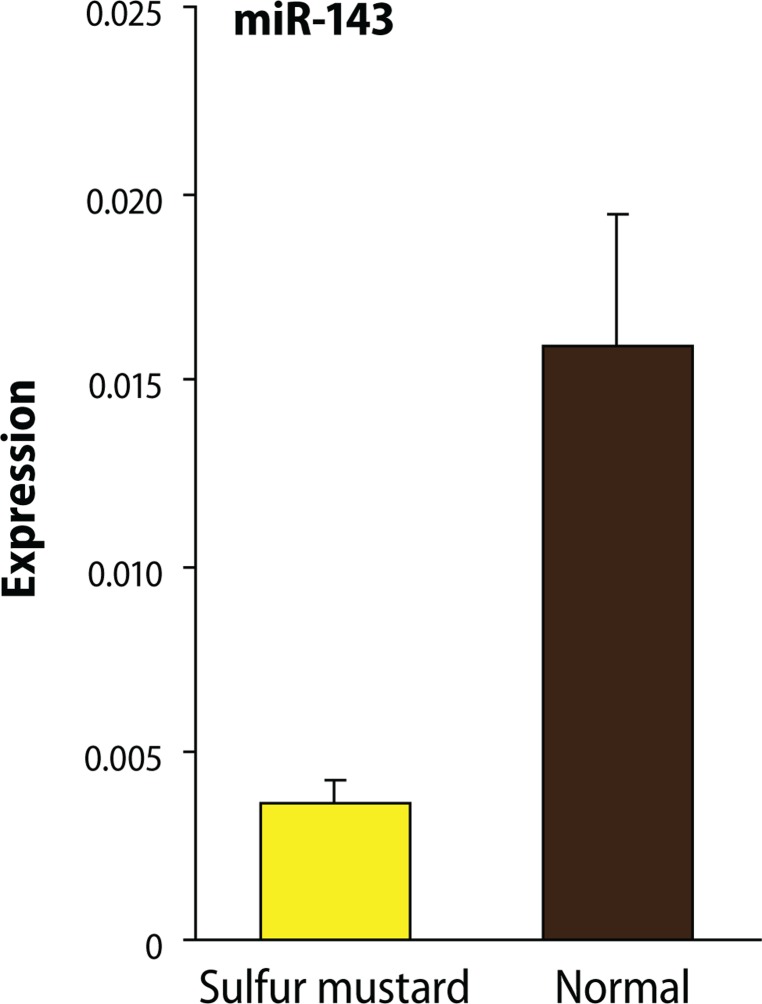
Sulfur mustard (SM) or mustard gas is a chemical alkylating agent that causes blisters in the skin (blister gas), burns the eyes and causes lung injury. Some major cellular pathways are involved in the damage caused by mustard gas such as NF-κb signaling, TGF-β signaling, WNT pathway, inflammation, DNA repair and apoptosis. MicroRNAs are non-coding small RNAs (19-25 nucleotides) that are involved in the regulation of gene expression and are found in two forms, extracellular and intracellular. Changes in the levels of extracellular microRNAs are directly associated with many diseases, it is thus common to study the level of extracellular microRNAs as a biomarker to determine the pathophysiologic status. In this study, 32 mustard gas injured patients and 32healthy subjects participated. Comparative evaluation of miR-9 and miR-143 expression in urine samples was performed by Real Time PCR and Graph Pad software. The Mann Whitney t-test analysis of data showed that the expression level of miR-143 and miR-9 had a significant decrease in sulfur mustard individuals with the respective p-value of 0.0480 and 0.0272 compared to normal samples, with an imbalance of several above mentioned pathways. It seems that reducing the expression level of these genes has a very important role in the pathogenicity of mustard gas injured patients.




 京公网安备 11010802042870号
京ICP备2023020795号-1
京公网安备 11010802042870号
京ICP备2023020795号-1

 分享
分享
 求助内容:
求助内容: 应助结果提醒方式:
 扫码关注我们
