Ana Margarida Cunha , Madalena Esteves , Joana Pereira-Mendes , Marco Rafael Guimarães , Armando Almeida , Hugo Leite-Almeida
{"title":"High trait impulsivity potentiates the effects of chronic pain on impulsive behavior","authors":"Ana Margarida Cunha , Madalena Esteves , Joana Pereira-Mendes , Marco Rafael Guimarães , Armando Almeida , Hugo Leite-Almeida","doi":"10.1016/j.ynpai.2019.100042","DOIUrl":null,"url":null,"abstract":"<div><p>Preclinical studies on impulsive decision-making in chronic pain conditions are sparse and often contradictory. Outbred rat populations are heterogeneous regarding trait impulsivity manifestations and therefore we hypothesized that chronic pain-related alterations depend on individual traits. To test this hypothesis, we used male Wistar-Han rats in two independent experiments. Firstly, we tested the impact of spared nerve injury (SNI) in impulsive behavior evaluated by the variable delay-to-signal test (VDS). In the second experiment, SNI impact on impulsivity was again tested, but in groups previously categorized as high (HI) and low (LI) trait impulsivity in the VDS.</p><p>Results showed that in an heterogenous population SNI-related impact on motor impulsivity and delay intolerance cannot be detected. However, when baseline impulsivity was considered, HI showed a significantly higher delay intolerance than the respective controls more prevalent in left-lesioned animals and appearing to result from a response correction on prematurity from VDS I to VDS II, which was present in Sham and right-lesioned animals.</p><p>In conclusion, baseline differences should be more often considered when analyzing chronic pain impact. While this study pertained to impulsive behavior, other reports indicate that this can be generalized to other behavioral dimensions and that trait differences can influence not only the manifestation of comorbid behaviors but also pain itself in a complex and not totally understood manner.</p></div>","PeriodicalId":52177,"journal":{"name":"Neurobiology of Pain","volume":"7 ","pages":"Article 100042"},"PeriodicalIF":0.0000,"publicationDate":"2020-01-01","publicationTypes":"Journal Article","fieldsOfStudy":null,"isOpenAccess":false,"openAccessPdf":"https://sci-hub-pdf.com/10.1016/j.ynpai.2019.100042","citationCount":"11","resultStr":null,"platform":"Semanticscholar","paperid":null,"PeriodicalName":"Neurobiology of Pain","FirstCategoryId":"1085","ListUrlMain":"https://www.sciencedirect.com/science/article/pii/S2452073X19300170","RegionNum":0,"RegionCategory":null,"ArticlePicture":[],"TitleCN":null,"AbstractTextCN":null,"PMCID":null,"EPubDate":"","PubModel":"","JCR":"Q2","JCRName":"Medicine","Score":null,"Total":0}
引用次数: 11
Abstract
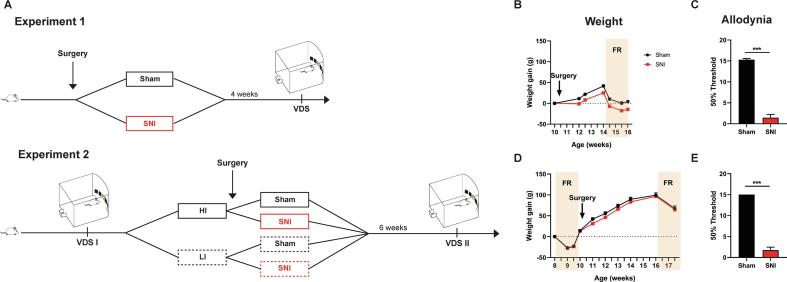
Preclinical studies on impulsive decision-making in chronic pain conditions are sparse and often contradictory. Outbred rat populations are heterogeneous regarding trait impulsivity manifestations and therefore we hypothesized that chronic pain-related alterations depend on individual traits. To test this hypothesis, we used male Wistar-Han rats in two independent experiments. Firstly, we tested the impact of spared nerve injury (SNI) in impulsive behavior evaluated by the variable delay-to-signal test (VDS). In the second experiment, SNI impact on impulsivity was again tested, but in groups previously categorized as high (HI) and low (LI) trait impulsivity in the VDS.
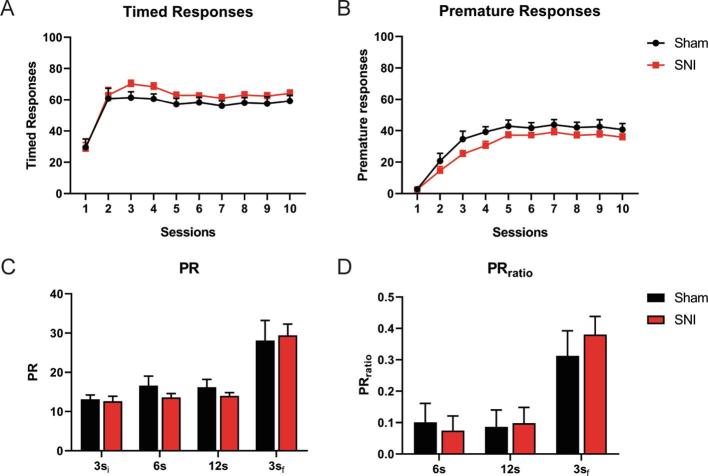
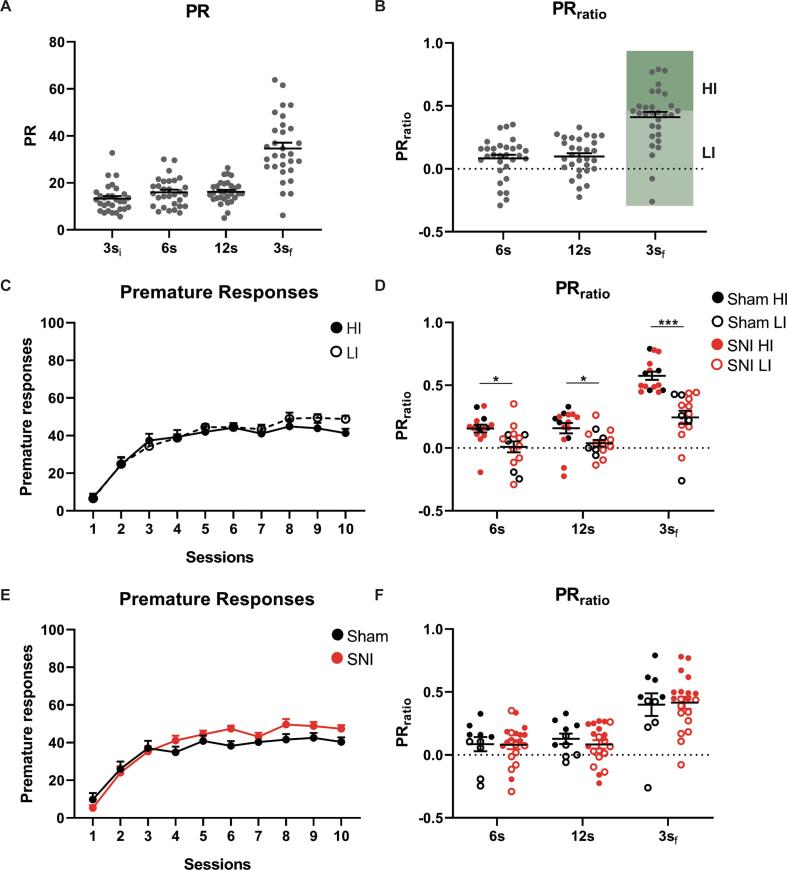
Results showed that in an heterogenous population SNI-related impact on motor impulsivity and delay intolerance cannot be detected. However, when baseline impulsivity was considered, HI showed a significantly higher delay intolerance than the respective controls more prevalent in left-lesioned animals and appearing to result from a response correction on prematurity from VDS I to VDS II, which was present in Sham and right-lesioned animals.
In conclusion, baseline differences should be more often considered when analyzing chronic pain impact. While this study pertained to impulsive behavior, other reports indicate that this can be generalized to other behavioral dimensions and that trait differences can influence not only the manifestation of comorbid behaviors but also pain itself in a complex and not totally understood manner.



 京公网安备 11010802042870号
京ICP备2023020795号-1
京公网安备 11010802042870号
京ICP备2023020795号-1

 分享
分享
 求助内容:
求助内容: 应助结果提醒方式:
 扫码关注我们
