Tess Tournier, Alexander H C Hendriks, Andrew Jahoda, Richard P Hastings, Sanne A H Giesbers, Ad A Vermulst, Petri J C M Embregts
{"title":"Family network typologies of adults with intellectual disability: Associations with psychological outcomes.","authors":"Tess Tournier, Alexander H C Hendriks, Andrew Jahoda, Richard P Hastings, Sanne A H Giesbers, Ad A Vermulst, Petri J C M Embregts","doi":"10.1111/jar.12786","DOIUrl":null,"url":null,"abstract":"<p><strong>Background: </strong>Based on self-reported social capital, different typologies of family networks of people with intellectual disabilities were examined. Associations between behavioural and emotional problems or well-being and typologies were investigated.</p><p><strong>Method: </strong>137 participants with mild intellectual disability were interviewed using the Family Network Method-Intellectual Disability to assess their emotionally supportive family relationships. Data on participants' well-being and behavioural and emotional problems were also gathered. Latent class analysis was used to identify family typologies based on social network measures.</p><p><strong>Results: </strong>Four distinguishable typologies were identified, two supportive and two less supportive. A small association was found with behavioural and emotional problems and one of the supportive typologies. Associations with constructs of well-being were found for both supportive and less supportive typologies.</p><p><strong>Conclusions: </strong>A variety of family types were found, with implications for sensitive professional support.</p>","PeriodicalId":73610,"journal":{"name":"Journal of applied research in intellectual disabilities : JARID","volume":"34 1","pages":"65-76"},"PeriodicalIF":1.9000,"publicationDate":"2021-01-01","publicationTypes":"Journal Article","fieldsOfStudy":null,"isOpenAccess":false,"openAccessPdf":"https://www.ncbi.nlm.nih.gov/pmc/articles/PMC7818276/pdf/","citationCount":"0","resultStr":null,"platform":"Semanticscholar","paperid":null,"PeriodicalName":"Journal of applied research in intellectual disabilities : JARID","FirstCategoryId":"1085","ListUrlMain":"https://doi.org/10.1111/jar.12786","RegionNum":0,"RegionCategory":null,"ArticlePicture":[],"TitleCN":null,"AbstractTextCN":null,"PMCID":null,"EPubDate":"2020/7/25 0:00:00","PubModel":"Epub","JCR":"","JCRName":"","Score":null,"Total":0}
引用次数: 0
Abstract
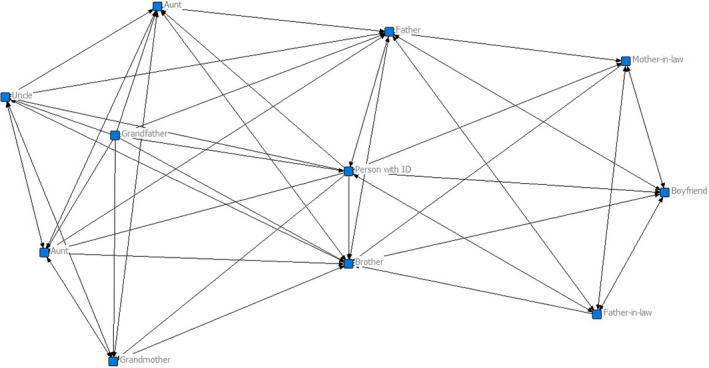
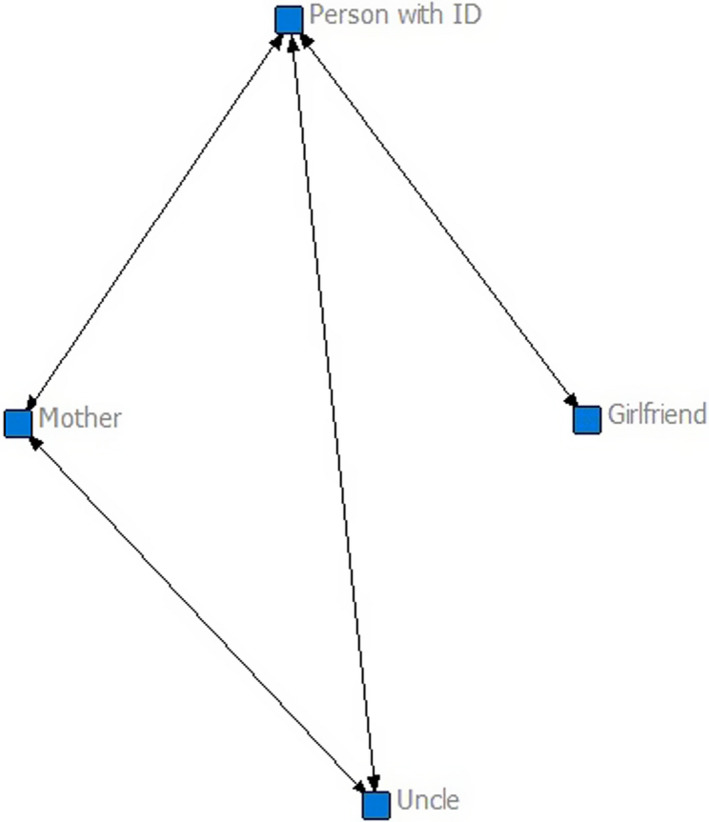
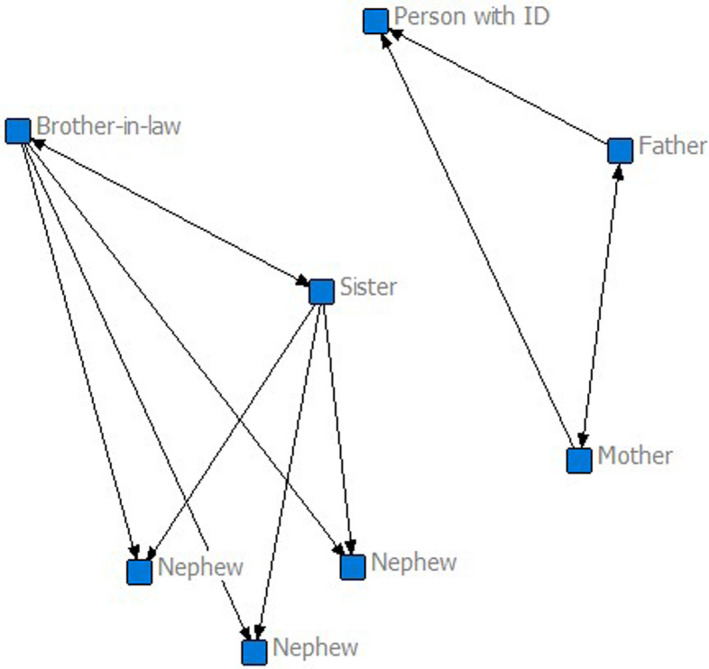
Background: Based on self-reported social capital, different typologies of family networks of people with intellectual disabilities were examined. Associations between behavioural and emotional problems or well-being and typologies were investigated.
Method: 137 participants with mild intellectual disability were interviewed using the Family Network Method-Intellectual Disability to assess their emotionally supportive family relationships. Data on participants' well-being and behavioural and emotional problems were also gathered. Latent class analysis was used to identify family typologies based on social network measures.
Results: Four distinguishable typologies were identified, two supportive and two less supportive. A small association was found with behavioural and emotional problems and one of the supportive typologies. Associations with constructs of well-being were found for both supportive and less supportive typologies.
Conclusions: A variety of family types were found, with implications for sensitive professional support.



 京公网安备 11010802042870号
京ICP备2023020795号-1
京公网安备 11010802042870号
京ICP备2023020795号-1

 分享
分享

 求助内容:
求助内容: 应助结果提醒方式:
 扫码关注我们
